
Google Ads for UK Businesses in 2026: What to Spend, What to Avoid
Google Ads remains one of the most powerful customer acquisition tools available to UK businesses — but it is also one of the easiest places to haemorrhage budget without a clear strategy. In 2026, the platform is more automated than ever, competition for high-intent search terms is fierce, and Google's own defaults are quietly designed to maximise your spend rather than your return. This guide cuts through the noise with practical benchmarks, honest advice on what is worth your money, and a clear list of the traps that catch even experienced advertisers out.
Setting a Realistic Budget: What UK Businesses Actually Need to Spend
One of the most common questions from UK business owners is simply: how much? The honest answer is that it depends heavily on your sector, location, and offer — but there are useful reference points.
For local service businesses operating in lower-competition niches (trades, pet services, niche retail), a monthly budget of £500 to £1,500 can generate meaningful leads, provided targeting is tight and landing pages are optimised. Step into competitive territory — legal services, financial advice, estate agency, or home improvement — particularly in London or the South East, and realistic spend climbs to £2,000 to £5,000 per month just to remain visible.
The average cost-per-click (CPC) across all UK industries sits roughly between £1.20 and £3.50, but legal and financial keywords regularly exceed £15 to £30 per click. Before setting a budget, research your target keywords using Google's Keyword Planner and calculate how many clicks you need to generate a sale at your typical conversion rate.
A sensible approach for 2026 is to treat your first 60 to 90 days as a paid learning exercise. Set a fixed test budget, track every conversion meticulously, and only scale spend once your cost-per-acquisition (CPA) is demonstrably profitable.
The Campaigns Worth Investing In
Not every Google Ads campaign type delivers equally for every business. In 2026, these are the formats most consistently delivering ROI for UK advertisers.
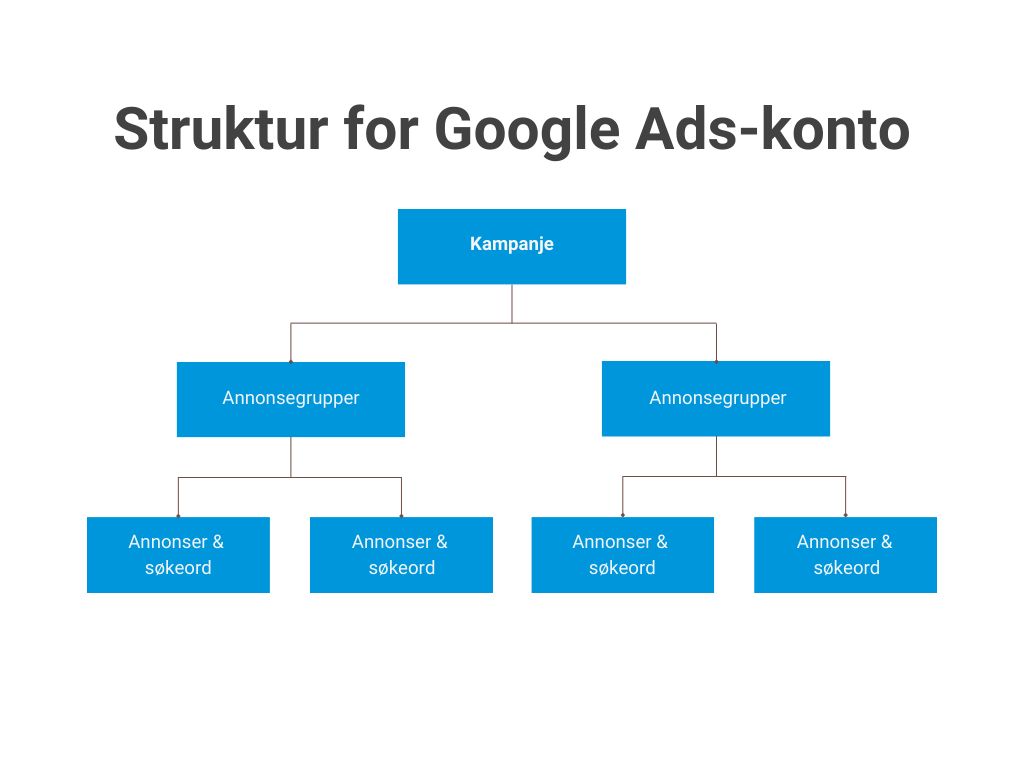
Search campaigns remain the gold standard for intent-based marketing. A user searching "emergency boiler repair Manchester" or "accountant for limited company Bristol" is telling you exactly what they need. Well-structured Search campaigns with tightly themed ad groups, relevant ad copy, and optimised landing pages consistently outperform every other channel for conversion rate.
Local Services Ads (LSAs) are underused by many UK businesses. Available for trades, legal professionals, healthcare providers, and a growing range of other sectors, LSAs appear above standard Search results and carry a Google Guarantee badge. You pay per lead rather than per click, which makes budget management more predictable.
Remarketing campaigns via Google Display are cost-effective for businesses with decent website traffic. Showing targeted ads to visitors who have already expressed interest keeps your brand in consideration during longer decision-making cycles — particularly relevant for considered purchases or B2B services.
YouTube pre-roll ads have become viable for SMEs in 2026, with the introduction of lower minimum budgets. For businesses with strong visual products or services requiring explanation, a well-crafted 30-second video ad can build brand recognition at a fraction of television costs.
What to Avoid: The Costly Mistakes UK Advertisers Keep Making
Experience from agencies and consultancies — including digital marketing specialists such as CM Beyer, which works with UK businesses on growth strategy — consistently points to the same recurring errors.
Launching broad match keywords without negatives. Broad match is Google's default, and it will serve your ads for searches that are tangentially or superficially related to your keywords. An accountancy firm bidding on "tax" in broad match might appear for "tax avoidance scandal" or "tax office opening hours." Build a comprehensive negative keyword list before your campaign goes live.
Enabling every Google-recommended setting. Google's "Recommendations" tab frequently suggests expanding your targeting, enabling Display Network on Search campaigns, or raising your budget. These suggestions benefit Google's revenue. Treat each one with scepticism and only adopt changes you can justify against your own conversion data.
Skipping conversion tracking. Running Google Ads without conversion tracking is, bluntly, guesswork. Set up tracking for every meaningful action — phone calls, form submissions, purchases, email sign-ups — before spending a penny. Without data, you cannot optimise, and you are flying blind with someone else's money.
Launching Performance Max too early. PMax campaigns are powerful when fed sufficient data, but they require at least 30 to 50 conversions per month to operate effectively. Businesses launching PMax with a thin history of conversions often find their budget distributed broadly across Google's network with little accountability.
Neglecting landing page quality. Sending paid traffic to a generic homepage is one of the most reliable ways to waste budget. Each campaign should point to a dedicated landing page that directly addresses the search intent, loads quickly on mobile, and has a single clear call to action.
Smart Bidding: When Automation Helps and When It Hurts
Smart Bidding — Google's suite of automated bid strategies including Target CPA, Target ROAS, and Maximise Conversions — has matured significantly and, used correctly, can outperform manual bidding. The caveat is always data.
For campaigns generating more than 30 conversions per month, Target CPA or Target ROAS are worth testing. Feed the algorithm clean, accurate conversion data and give it three to four weeks to exit its learning period before drawing conclusions.
For newer accounts or campaigns with lower conversion volumes, Maximise Clicks with a manual CPC cap gives you more control while you build data. Manual CPC bidding is time-intensive but provides clearer sight of where money is going.
The 2026 landscape has also seen an increase in AI-generated Search ads through Responsive Search Ads (RSAs). Providing Google with a range of strong, distinct headlines and descriptions — rather than repeating variations of the same phrase — gives the algorithm better material to test and improves ad relevance scores.
Measuring Success: The Metrics That Actually Matter
Vanity metrics abound in PPC reporting. Impressions and click-through rate (CTR) are interesting but insufficient. The metrics that matter for UK business owners are:
- Cost per acquisition (CPA): what you pay for each customer, lead, or sale
- Return on ad spend (ROAS): revenue generated per pound spent — a ROAS of 3x or higher is generally a healthy target for e-commerce
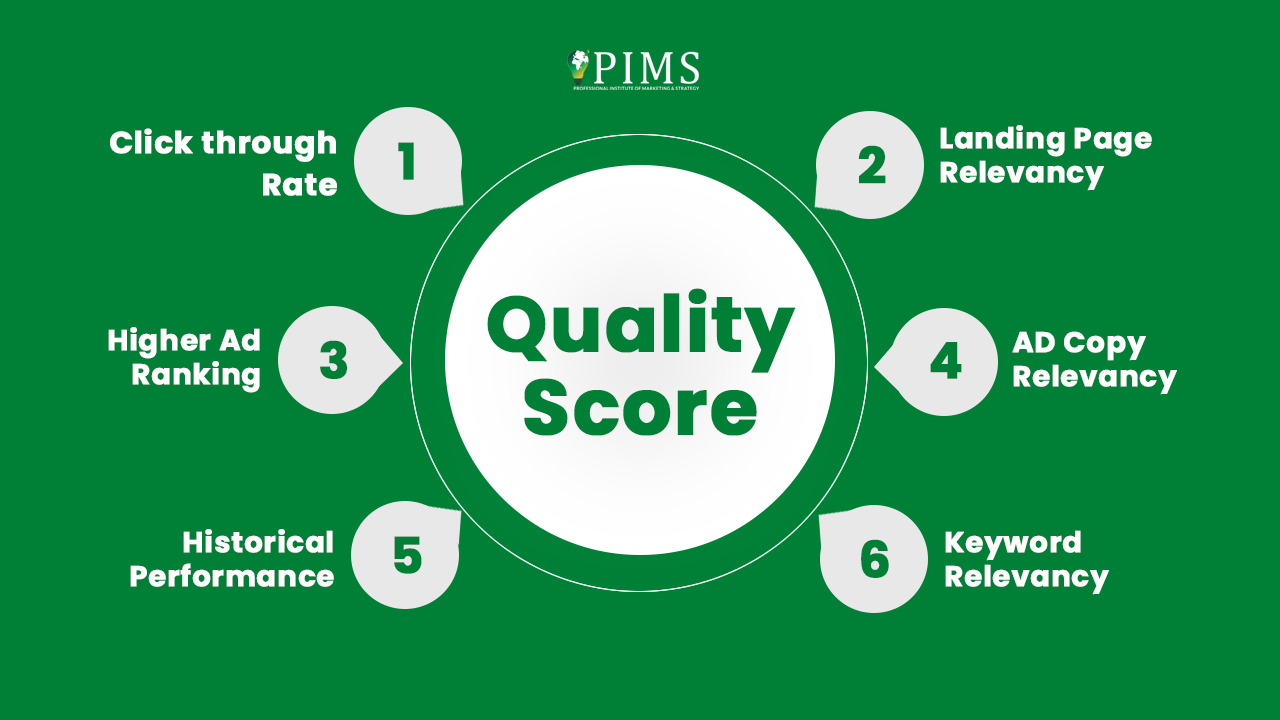
- Quality Score: Google's internal rating of your keyword relevance and landing page experience — improving this reduces your CPCs
- Impression share: the percentage of available impressions your ads captured — useful for understanding headroom to grow
Review performance weekly in early campaign stages, monthly once steady state is reached. Segment results by device, location, time of day, and audience to find patterns that inform smarter budget allocation.
Getting the Most From Google Ads in 2026
The fundamentals of effective Google Ads have not changed: know your customer, match your message to their intent, send them to a page that converts, and measure everything. What has changed is the degree of automation on offer, the sophistication of audience targeting, and the importance of creative quality as manual levers give way to algorithmic ones.
UK businesses that treat Google Ads as a set-and-forget channel will continue to waste money. Those that invest time in structure, testing, and honest performance analysis will find it remains one of the most efficient routes to new customers available — regardless of budget size.
Frequently asked questions
How much should a UK small business spend on Google Ads per month?
There is no universal figure, but most UK small businesses find a minimum of £500 per month is needed to gather meaningful data in less competitive niches. In sectors such as legal, financial services, or home improvement in London, budgets of £2,000 to £5,000 per month are more realistic to compete effectively. Start with a defined test budget for 60–90 days, track results rigorously, then scale what works.
Is Google Ads still worth it for UK businesses in 2026?
Yes, for most businesses with a clear offer and a well-structured landing page. Google Search still commands the majority of UK search traffic. The key shift in 2026 is that automation handles more of the execution, so the competitive advantage now lies in audience understanding, creative quality, and conversion rate optimisation rather than manual bid adjustments.
What is Performance Max and should UK businesses use it?
Performance Max (PMax) is Google's fully automated campaign type that serves ads across Search, Display, YouTube, Gmail, and Maps from a single campaign. It can work well for businesses with strong conversion data and good creative assets. However, it offers limited transparency and control. UK businesses with fewer than 50 conversions per month should typically stick to standard Search campaigns first.
How do I stop wasting money on irrelevant clicks in Google Ads?
The most effective approach is building a strong negative keyword list before launch, reviewing your Search Terms report weekly in the first month, and using phrase or exact match rather than broad match for your core terms. Also ensure your geographic settings are correct — many UK advertisers accidentally serve ads nationally or internationally when they only operate locally.



Join in — free. Comments on Daily Junction are for members, so real names stay rare and bots stay out.
One field. We email you a 6-digit code — no password needed. Your comment is kept while you do it.
Under 13? You’ll need a parent’s OK first — it takes them one click.