

How to Reduce Food Waste in the UK: 20 Practical Strategies
The United Kingdom throws away nearly 9.5 million tonnes of food every year, and around 70% of that comes directly from our homes. That waste costs the average household approximately £700 annually — money that most of us would rather spend elsewhere. Beyond the financial hit, food waste is a significant contributor to greenhouse gas emissions, as rotting food in landfill releases methane, a potent climate driver.
The good news is that most household food waste is entirely avoidable. With a handful of straightforward changes to the way you shop, store, cook, and think about food, you can dramatically cut the amount your household throws away. Here are 20 practical strategies to get started.
Plan, Shop Smart, and Buy Only What You Need
The journey to less food waste begins before you even set foot in a supermarket. Most waste is created at the point of purchase, not the point of cooking.
1. Write a weekly meal plan. Decide what you are cooking for the week before you shop. This single habit is the most effective food waste reducer available to any household, and it also tends to bring down the weekly shopping bill considerably.
2. Shop with a list — and stick to it. Supermarkets are expertly designed to encourage impulse buying. A list keeps you focused and reduces the chance of buying items that will sit forgotten at the back of the fridge.
3. Check your cupboards, fridge, and freezer before shopping. It sounds obvious, yet most of us have bought a second tin of tomatoes or a fresh pepper only to find we already had one lurking at home. A quick audit before you leave prevents duplicate purchases.
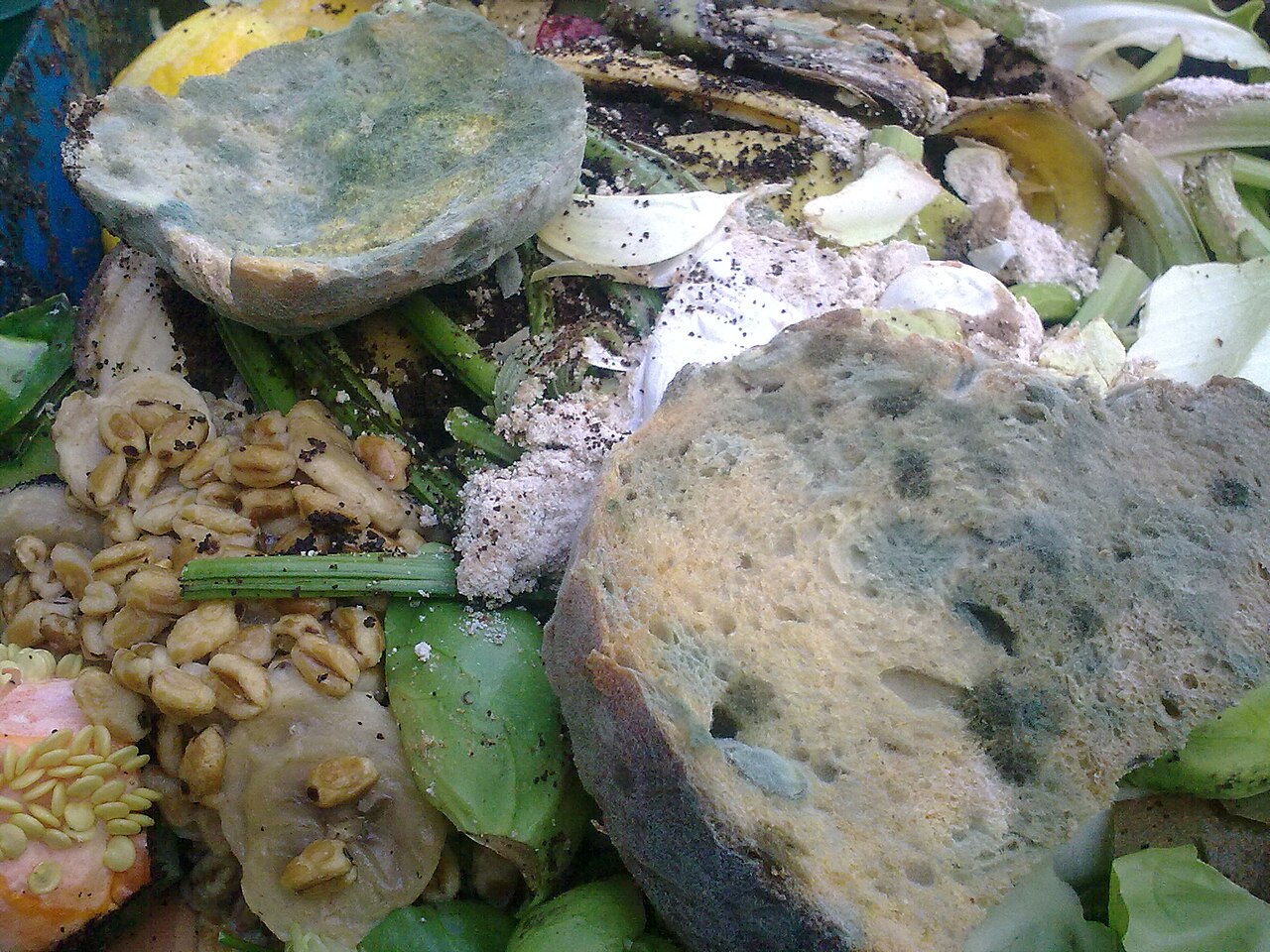
4. Buy loose fruit and vegetables where possible. Pre-packaged multibuys often push us to buy more than we need. Buying loose allows you to purchase exactly the quantity required.
5. Be cautious with supermarket promotions. Two-for-one deals are only good value if you can actually use both items before they spoil. Assess whether your household will realistically consume the extra quantity before buying.
Store Food Correctly to Extend Its Life
Improper storage is responsible for a significant proportion of the food that goes to waste in UK homes. Small adjustments to how and where you store different foods can add days — sometimes weeks — to their useful life.
6. Learn what belongs in the fridge and what does not. Tomatoes, bananas, potatoes, onions, garlic, and most stone fruits are best kept out of the fridge. Chilling them early can damage their flavour and texture. Conversely, items like fresh herbs benefit greatly from being treated like flowers — trimmed and stood in a glass of water in the fridge.
7. Use the freezer properly. The freezer is one of the most powerful food waste tools in your kitchen. Bread, meat, fish, cooked meals, grated cheese, sliced bananas, and even milk can all be frozen. If you notice something approaching its use-by date, freeze it before that date rather than after.
8. Keep your fridge at the correct temperature. The Food Standards Agency recommends keeping your fridge below 5°C. Many UK fridges run warmer than this, which significantly shortens the shelf life of perishable items.
9. Store fruits and vegetables separately. Many fruits release ethylene gas as they ripen, which accelerates the deterioration of nearby vegetables. Keep apples, pears, and bananas away from your salad leaves and brassicas.
10. Understand date labels. 'Use by' means safety — do not eat food past this date. 'Best before' means quality — the food may be slightly less perfect but is typically still safe and perfectly edible. Discarding food purely on the basis of a 'best before' date is one of the easiest forms of waste to eliminate.
Cook Creatively and Use Up What You Have
Some of the most satisfying cooking comes from the constraint of using up what is already in the kitchen. Learning a handful of adaptable recipes transforms what might have been waste into genuinely enjoyable meals.
11. Embrace the leftover makeover. Last night's roast vegetables become today's frittata. Stale bread becomes breadcrumbs, croutons, or a panzanella salad. Overripe bananas become banana bread. Rather than viewing leftovers as a chore, treat them as an ingredient.
12. Make a weekly 'odds and ends' meal. Designate one evening per week — Friday works well for many households — as the night you clear the fridge using whatever remains. Stir-fries, soups, omelettes, and pasta dishes all lend themselves to freestyle cooking with whatever needs using up.
13. Use vegetable scraps for stock. Onion skins, celery tops, carrot peelings, and herb stalks can all go into a freezer bag. Once the bag is full, simmer the contents in water for an hour to produce a flavoursome homemade vegetable stock.
14. Measure portions carefully. Over-cooking is a primary source of food waste. Measuring pasta, rice, and other staples — rather than estimating — reduces the amount of cooked food that ends up uneaten. Most pasta packet guidance recommends 75–85g per person as a dry weight.
15. Revive rather than bin. Limp salad leaves perk up in iced water. Stale bread refreshes in a hot oven with a splash of water on the crust. Slightly soft apples are ideal for crumbles and sauces. Before discarding anything, ask whether it might be rescued with a small amount of effort.
Handle Unavoidable Waste Responsibly
Even the most diligent household will generate some food scraps — vegetable peelings, eggshells, coffee grounds, fruit cores. The priority is to divert these away from general waste and landfill.
16. Set up a food waste caddy. Most English and Welsh councils now collect food waste separately. Using your council's food waste service ensures scraps are composted or converted to energy via anaerobic digestion rather than going to landfill.
17. Start a home compost bin or heap. For uncooked fruit and vegetable peelings, tea bags, coffee grounds, and eggshells, a garden compost bin provides a simple and effective disposal route and produces useful compost for your garden in return.
18. Try a bokashi system for cooked food. Bokashi fermentation systems allow you to process cooked food, meat, and dairy at home — categories that standard compost heaps cannot handle. The fermented material can then be added to a compost heap or buried directly in the garden.
Build Better Habits and Involve the Whole Household
Reducing food waste is ultimately a behavioural change, and like all lasting behavioural change, it works best when it becomes routine rather than effort.
19. Track what you throw away. Spend a fortnight keeping a simple note of the food you discard. This creates awareness of your specific patterns — perhaps you consistently over-buy salad, or always cook too much rice — and gives you concrete information on where to focus your efforts.
20. Teach children about food and waste. Children who understand where food comes from, how it is grown, and what it costs are significantly more likely to value it. Involving them in meal planning, shopping, and cooking builds habits that will last a lifetime, and makes reducing food waste a shared household goal rather than a top-down instruction.
A Final Word
Reducing food waste does not require a dramatic overhaul of your life. Start with two or three of the strategies above — meal planning, proper storage, and using the freezer are the highest-impact options — and build from there. The savings in both money and environmental impact are real and meaningful. The average UK household that actively works to reduce food waste saves enough to cover a week's groceries each month. That is a compelling reason to start today.
Frequently asked questions
How much food does the average UK household waste each year?
According to WRAP (Waste and Resources Action Programme), the average UK household wastes around 70kg of food per year, costing roughly £700. Across the country, this adds up to approximately 9.5 million tonnes of food waste annually, of which around 70% comes from homes.
What is the difference between 'use by' and 'best before' dates?
'Use by' dates relate to food safety — you should not eat food past this date, as it could make you ill. 'Best before' dates, on the other hand, are about quality rather than safety. Food past its 'best before' date is often still perfectly safe to eat, just potentially slightly diminished in texture or flavour. Throwing away food solely because it has passed a 'best before' date is one of the most common and unnecessary forms of food waste in UK homes.
What foods cause the most waste in UK households?
WRAP research consistently identifies fresh vegetables and salad, bread and bakery products, fresh fruit, and cooked or prepared meals as the most wasted food categories in UK homes. Potatoes, bread, and milk are among the single most wasted items by weight.
Can I put cooked food in my compost bin?
This depends on the type of composting. Home compost bins and heaps are generally not suited to cooked food, meat, fish, or dairy as they can attract pests. However, bokashi bins, electric composters, and many local council food waste collections accept all food scraps including cooked food. Check what your local council collects, as most now offer a dedicated food waste caddy service.



Join in — free. Comments on Daily Junction are for members, so real names stay rare and bots stay out.
One field. We email you a 6-digit code — no password needed. Your comment is kept while you do it.
Under 13? You’ll need a parent’s OK first — it takes them one click.