

Cost of Living in Leeds in 2026: Is It Still the North's Best Value City?
Leeds has spent the better part of a decade quietly earning a reputation as the smart choice for people who want big-city living without London prices. It has a proper financial district, a thriving arts scene, two universities, and arguably the best food market in the North of England. But reputation and reality do not always align, and the cost of living pressures that have squeezed households across the UK since 2022 have not spared West Yorkshire. So the question is worth asking plainly: is Leeds still the North's best value city in 2026, or has it finally lost its edge?
The short answer is yes — but with caveats worth understanding before you sign a tenancy agreement or hand in your notice and head north.
What It Actually Costs to Rent in Leeds Right Now
Housing is the single largest outgoing for most residents, so let us start there. The Leeds rental market has cooled modestly from the frantic pace of 2023 and 2024, when double-digit annual rent increases were common. In 2026, the picture is more stable, though prices are meaningfully higher than they were five years ago.
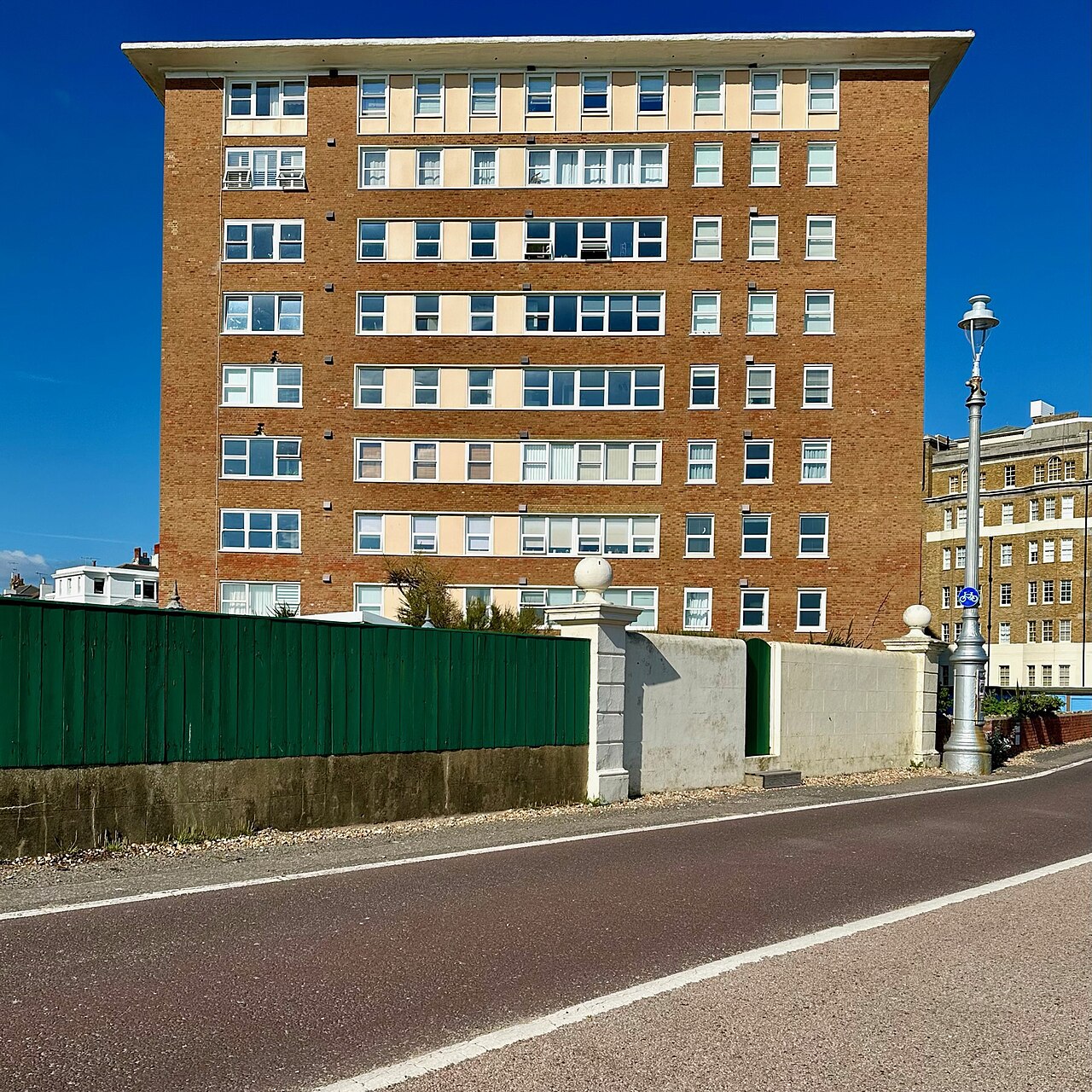
A one-bedroom flat in the city centre — think the Calls, Holbeck Urban Village, or the South Bank regeneration zone — typically fetches between £900 and £1,150 per month. Move out to inner suburbs like Headingley, Hyde Park, or Chapel Allerton and you can expect to pay £750 to £950 for the same. Head further out to Horsforth, Roundhay, or Morley and that drops again to £650 to £850.
For those willing to share, Leeds remains genuinely affordable. A room in a house share in Headingley or Hyde Park — the traditional student and young professional belts — can be found for £450 to £600 per month inclusive of bills, which is remarkable value by any major UK city standard.
Compare this with Manchester, where city-centre one-bedroom flats now routinely command £1,100 to £1,350, and Leeds holds a clear advantage. Against London — where the equivalent flat in Zone 2 costs north of £2,000 — the comparison barely needs making.
Everyday Costs: Groceries, Transport, and Going Out
Rent tells one part of the story. How far your remaining income stretches day-to-day is equally important.
Groceries in Leeds are governed by the same national supermarket pricing that applies across England, so a weekly shop at a mid-range supermarket for one person runs to roughly £40 to £55. Leeds does, however, have Kirkgate Market — one of the largest covered markets in Europe — where fresh produce, meat, and fish are consistently cheaper than supermarket equivalents. Regular market shoppers report savings of 20 to 30% on their fresh food spend compared with a full supermarket shop.
Transport is where Leeds has a complicated story. The long-promised mass transit system has advanced in planning terms, but bus services remain the primary mode of public transport for most residents. A monthly adult bus pass within the city costs approximately £65 to £75 depending on zones covered. Cycling infrastructure has improved considerably across the city centre and inner suburbs, and for those living within three to four miles of work, cycling is both practical and free. Car owners face similar fuel costs to anywhere in England, though parking in the city centre is notably cheaper than Manchester or Newcastle.
Eating and drinking out in Leeds punches well above its price point. The city has a competitive and growing restaurant scene — particularly around Meanwood Road, the Calls, and Kirkstall Road — where a good meal for two with drinks can still be had for £40 to £60. A pint of cask ale in a traditional pub averages around £4.80 to £5.40, lower than Manchester and significantly below London prices.
Energy, Bills, and the Ongoing Household Squeeze
The energy crisis of the early 2020s fundamentally reset household bill expectations across the UK, and Leeds households are no exception. While the dramatic peaks of late 2022 are behind us, bills remain historically elevated.
The average Leeds household on a standard variable tariff spends approximately £100 to £130 per month on dual fuel. Older terraced housing — which makes up a large proportion of the city's rental stock, particularly in inner south and east Leeds — can push this higher due to poorer insulation.
This is one area where actively shopping around makes a demonstrable difference. Independent comparison resources such as QuidCompare provide straightforward guides to energy tariffs alongside other financial products, helping residents identify whether they are on a competitive deal or quietly overpaying on a rolled-over standard rate. Given that switching can save households £150 to £300 per year, this is not a step worth skipping.
Broadband costs in Leeds average around £25 to £40 per month for a full-fibre connection, with good coverage across most of the city. Contents insurance for a typical rented flat runs to £8 to £15 per month.
The Salary Picture: Does Local Income Keep Pace?
Affordability is never just about costs in isolation — it is about the relationship between what things cost and what people earn. On this measure, Leeds holds up well.
Median gross weekly earnings for full-time employees in Leeds sit above the national median for England, driven by the city's substantial financial and professional services sector. KPMG, Lloyds Banking Group, Sky, and Channel 4 all maintain significant Leeds operations, creating a jobs market that supports incomes at a level uncommon outside London and a small number of other major cities.
Graduate starting salaries in Leeds-based financial services and technology roles typically range from £26,000 to £35,000, which — set against average rental costs of £800 to £1,000 per month — represents a meaningfully better ratio than the equivalent London position. A Londoner on a £32,000 graduate salary faces a very different quality of life calculation than a Leeds resident on the same income.
Is Leeds Still Worth It? A Practical Assessment
The honest answer is that Leeds remains excellent value relative to other major UK cities, but it is no longer a bargain in absolute terms. Rents have risen, bills are higher than they were five years ago, and the gap between Leeds and some smaller Northern cities — Bradford, Hull, Wakefield — has widened in favour of those alternatives for buyers of modest means.
For the demographic Leeds most attracts — graduates, young professionals, and families relocating from more expensive cities — the value equation remains compelling. The combination of a genuine labour market, a lively cultural scene, good transport links to Manchester and London, and housing costs that remain materially below the national major-city average gives Leeds a strong hand.
Practical steps to make your money go further in Leeds in 2026:
- Shop Kirkgate Market for fresh produce rather than defaulting to the supermarket for every shop.
- Review your energy tariff at renewal — use an independent comparison service to check you are on a competitive rate.
- Consider outer-suburb rentals in areas like Horsforth, Farsley, or East Ardsley for significant rent savings without sacrificing access to the city.
- Use a Leeds City Card or equivalent for discounted access to leisure facilities and cultural venues.
- Cycle or walk for short journeys — Leeds's flat city centre and improving cycle lanes make this practical for more routes than many assume.
- Compare broadband providers when contracts expire; the Leeds full-fibre market is competitive and loyalty rarely pays.
Leeds in 2026 is not the secret it once was. But for those making a calculated decision about where to plant roots in England, it remains one of the most defensible choices a person can make with their money.
Frequently asked questions
What is the average rent in Leeds in 2026?
A one-bedroom flat in central Leeds typically costs between £900 and £1,150 per month, while the same flat in an outer suburb such as Headingley, Chapel Allerton, or Horsforth ranges from £700 to £900 per month. Shared houses remain popular and can bring costs down to £450–£600 per person per month including bills.
Is Leeds cheaper to live in than Manchester?
Yes, broadly speaking. Average private rents in Leeds run around 10–15% lower than comparable properties in Manchester city centre. Grocery and leisure costs are broadly similar, but Leeds residents generally benefit from slightly lower commuting costs within the city and a cheaper pub and restaurant scene outside the Northern Quarter equivalent areas.
What is a realistic monthly budget for a single professional living in Leeds?
A single professional renting a one-bedroom flat and living comfortably — covering rent, bills, groceries, transport, and modest leisure — should budget approximately £1,500 to £1,800 per month. Those sharing accommodation or living in outer suburbs can manage on £1,200 to £1,400 per month without significant sacrifice to quality of life.
Are energy bills still a major concern for Leeds households in 2026?
Energy costs have stabilised compared to the peaks of 2022–2023, but they remain a meaningful household expense. The average Leeds household on a standard tariff spends around £100–£130 per month on dual fuel. Switching providers and comparing tariffs through independent sites remains one of the most effective ways to reduce this outgoing.

Join in — free. Comments on Daily Junction are for members, so real names stay rare and bots stay out.
One field. We email you a 6-digit code — no password needed. Your comment is kept while you do it.
Under 13? You’ll need a parent’s OK first — it takes them one click.