
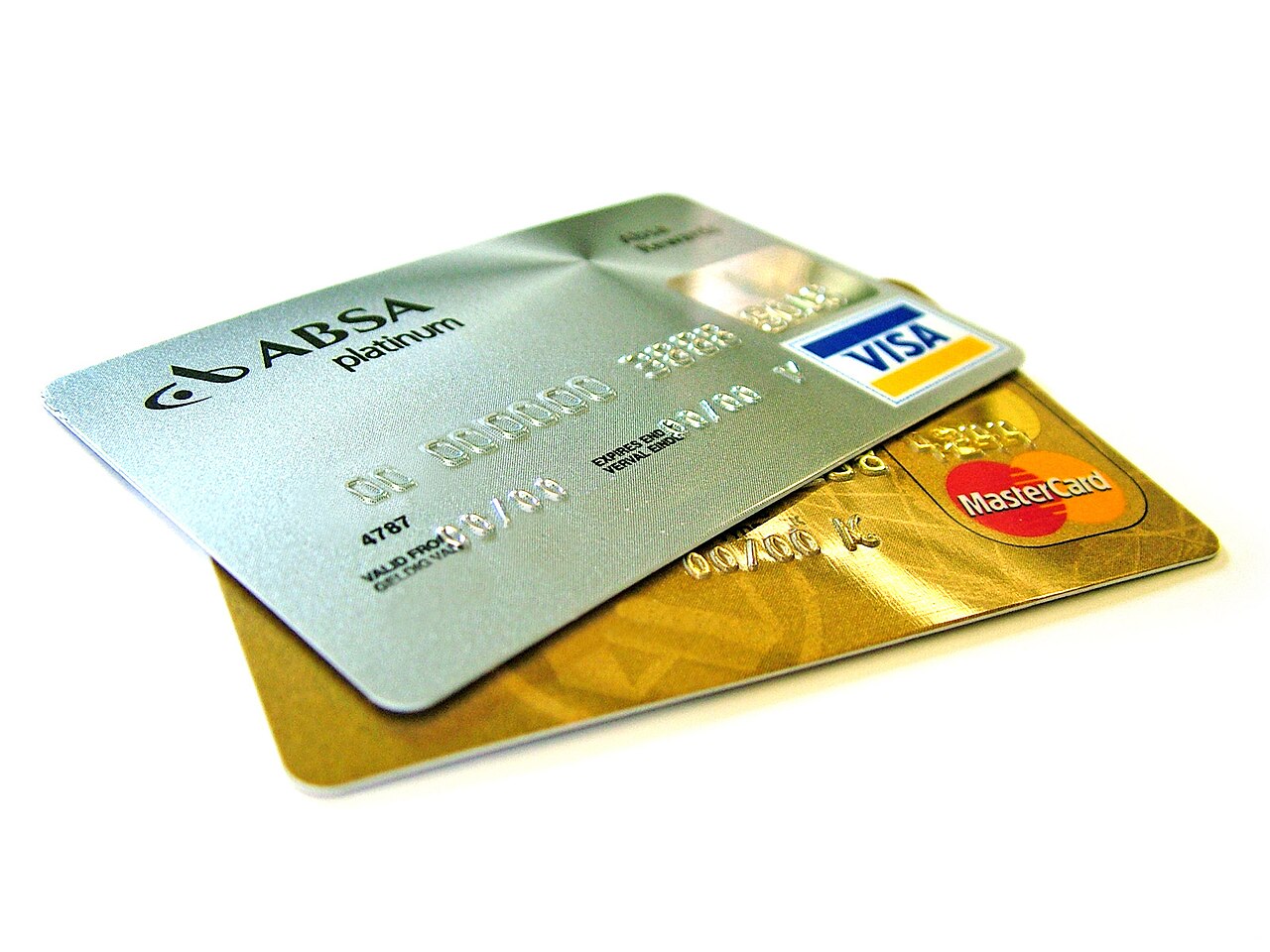
Whether it is a bathroom renovation that has finally become unavoidable, an unexpected car repair bill, or simply consolidating a handful of lingering debts, most of us reach a point where borrowing a little money makes practical sense. The question is never really whether to borrow — it is how.
For UK consumers, two options dominate the market: the personal loan and the credit card. Both can be sensible choices in the right circumstances, yet choosing the wrong one can cost you hundreds of pounds in unnecessary interest. Here is a plain-English guide to help you decide.
What Is a Personal Loan?
A personal loan is a fixed sum — typically between £1,000 and £25,000 — borrowed from a bank, building society, or online lender. You repay it in equal monthly instalments over an agreed term, usually one to seven years, at a fixed annual percentage rate (APR).
Because the repayments are predictable, personal loans suit people who prefer certainty in their budgeting. If you borrow £8,000 at 6.9% APR over four years, you know exactly what you will pay each month from day one.
Best for: Larger, planned expenses — home improvements, a used car purchase, wedding costs, or consolidating multiple debts into a single, lower-rate payment.
What Is a Credit Card?
A credit card gives you a revolving line of credit up to a set limit. You can spend up to that limit, repay some or all of it, and spend again. Interest is charged on any outstanding balance at the end of each billing cycle — unless you are within a promotional 0% period.

The flexibility is the appeal. You are not committed to borrowing a specific amount; you spend what you need, when you need it.
Best for: Everyday spending, online purchases, spreading the cost of smaller items, or taking advantage of 0% purchase deals.
The Cost of Borrowing: A Real-World Comparison
Let us say you need £3,000 to replace a boiler. How do the two options stack up?
Personal loan route: A representative APR for a £3,000 loan over three years currently sits around 12–16% for many mainstream lenders. At 14% APR, your monthly repayment would be roughly £103, and you would repay around £3,700 in total — about £700 in interest.
0% credit card route: Some credit cards offer 0% on purchases for up to 24 months. If you could get one of these and paid off the £3,000 within the promotional window — say £125 a month — you would pay no interest at all. But if the balance remains after the 0% period ends, rates typically jump to 21–25% APR, which quickly turns a good deal into an expensive one.
The lesson: a 0% credit card can be cheaper than a personal loan, but only if you are disciplined about clearing the balance before the promotional rate expires.
When a Personal Loan Wins
- You need more than £5,000. Credit card limits for new customers are rarely generous, and high-APR cards are a poor vehicle for large borrowing.
- You want payment certainty. Fixed monthly repayments make it easier to plan your finances without surprises.
- You are consolidating debt. Rolling several high-interest debts into one personal loan at a lower rate is a well-established strategy for reducing both monthly outgoings and total interest paid.
- You lack the self-discipline to repay a credit card balance. A loan forces repayment; a credit card does not.
When a Credit Card Wins
- You are buying something under £3,000 and can clear it within a 0% window. This is genuinely the cheapest way to borrow in most cases.
- You want Section 75 protection. Under UK law, purchases between £100 and £30,000 made on a credit card are jointly covered by your card provider if something goes wrong — a powerful consumer right that personal loans do not offer.
- Your spending is ongoing or unpredictable. A credit card allows you to draw on funds as needed rather than taking a lump sum you may not fully use.
- You want to build a credit history. Used responsibly — spending a little, paying it off each month — a credit card is one of the most effective tools for improving your credit score over time.
Check Your Credit Score First
Both products are subject to eligibility checks, and the rates advertised by lenders are "representative" — meaning only 51% of approved applicants need receive them. If your credit score is less than perfect, you may be offered a higher APR or declined altogether.
Before applying, check your credit file for free through Experian, Equifax, or TransUnion. Unnecessary applications — particularly multiple ones in quick succession — can leave marks on your file that make future borrowing harder.
How to Find the Best Deal
Once you know which product suits your situation, the next step is finding the most competitive rate. Before going directly to your bank, use a comparison site like QuidCompare to check current rates across a range of lenders in one place — many offer soft-search eligibility checkers that show your likelihood of approval without affecting your credit score.
It takes minutes and can save you a meaningful amount. On a £7,000 loan over four years, the difference between 8% and 14% APR is over £1,000 in total interest paid.
A Few Final Checks Before You Borrow
- Can you afford the repayments comfortably — not just barely? Factor in job insecurity, rate changes on variable products, or other financial pressures.
- Is there an early repayment charge on the loan? Some lenders penalise you for settling early, which can negate the benefit of paying off quickly.
- Have you considered a savings buffer instead? If the expense is not urgent, building a small emergency fund first means no interest charges at all.
Borrowing is not inherently bad — used wisely, it can smooth out life's bigger costs without derailing your finances. The key is matching the right product to the right purpose, understanding what it will actually cost you, and committing to a repayment plan before you sign anything.
Use the Write tool. Do not modify the content. Confirm when done.



Join in — free. Comments on Daily Junction are for members, so real names stay rare and bots stay out.
One field. We email you a 6-digit code — no password needed. Your comment is kept while you do it.
Under 13? You’ll need a parent’s OK first — it takes them one click.