

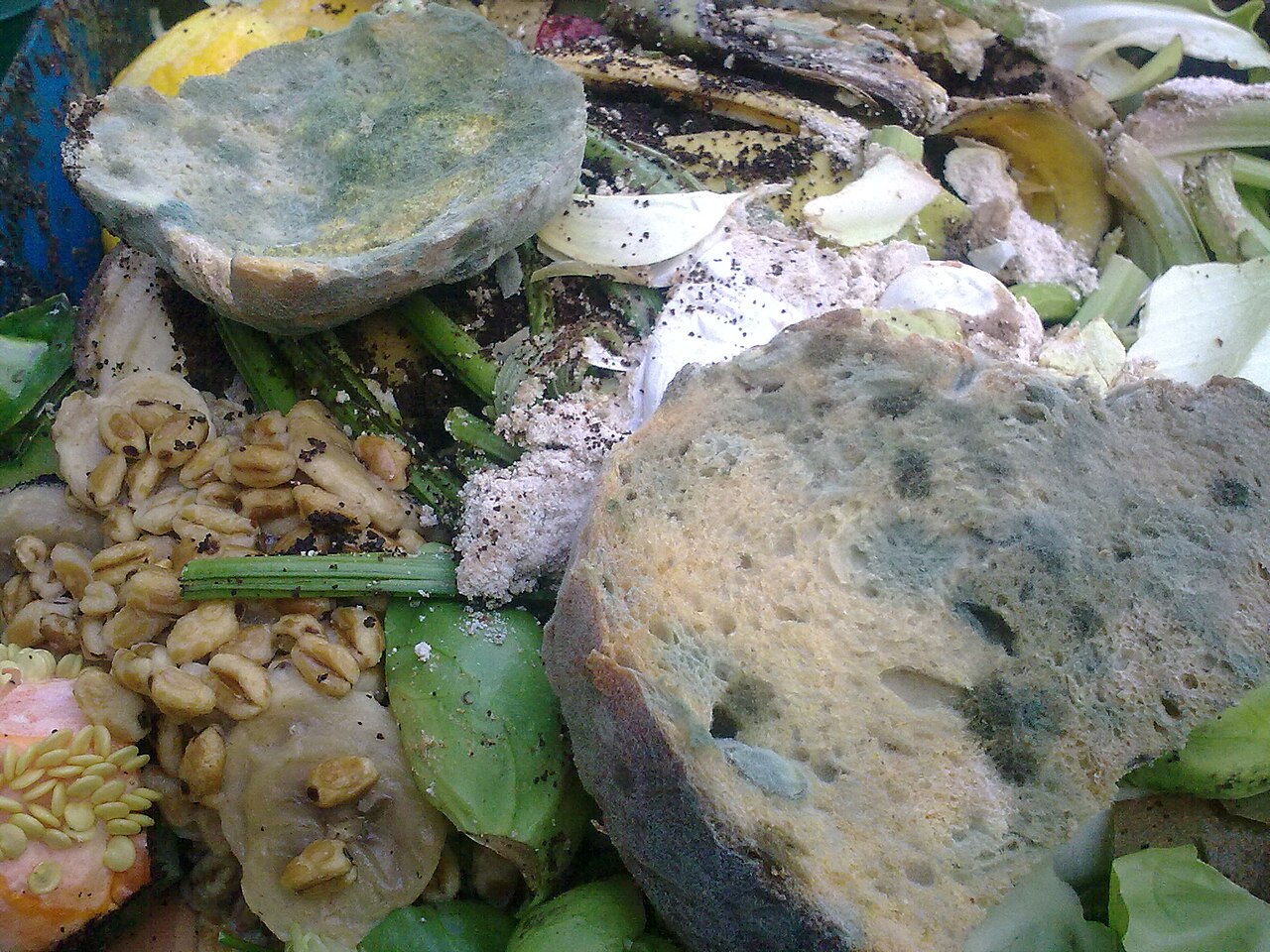
It starts innocuously enough. A bag of wilting spinach at the back of the fridge. A loaf of bread two days past its best. Half a tub of houmous you meant to finish but didn't. Before long, you're scraping the contents of your weekly shop into the bin and wondering where your money went.
According to the Waste and Resources Action Programme (WRAP), the average UK household throws away approximately £700 worth of food every year — that's nearly £60 a month. Across the country, we discard around 9.5 million tonnes of food annually, the majority of which could have been eaten. It's a figure that sits uncomfortably alongside the cost-of-living pressures most families are still navigating.
The good news is that reducing food waste is one of the most immediately actionable ways to claw back household spending — and it doesn't require a complete lifestyle overhaul.
Plan Before You Shop
The single biggest driver of food waste isn't greed or carelessness — it's a lack of planning. When we shop without a list or a clear idea of what we'll cook during the week, we over-buy. Optimistic purchases ("I'll definitely make that Thai green curry") sit unused until they're no longer usable.
A weekly meal plan, even a rough one, changes this entirely. Spend ten minutes on a Sunday deciding five dinners and writing a shopping list around them. You don't need a precise recipe for each — just a general sense of what proteins, vegetables, and staples you'll use. This one habit alone has been shown to reduce a household's weekly food spend by 20–30%.
While you're reviewing your finances, it's also worth checking whether your current account or cashback credit card is giving you the best return on everyday spending. A comparison site like QuidCompare can surface accounts that offer cashback on supermarket purchases — effectively recovering a small percentage of your grocery bill each month.
Understand Your Labels
"Best before" and "use by" are not the same thing, and conflating them is costing you money.
A use by date is a food safety instruction. Meat, fish, and dairy products marked with a use by date should be consumed or frozen by that date — not doing so carries a genuine health risk.
A best before date is about quality, not safety. Tinned goods, dried pasta, cereals, and most packaged snacks can safely be consumed well past their best before date, even if the texture or flavour has diminished slightly. Many people bin perfectly edible food simply because the calendar date has passed. Stop doing that.
Eggs, for instance, remain safe to eat for a couple of weeks past their best before date if stored correctly. Hard cheeses can be trimmed of any surface mould and eaten. Yesterday's bread makes excellent toast, croutons, or breadcrumbs.
Your Freezer Is Your Biggest Asset
Most households underuse their freezer, treating it as a space for frozen peas and ice cream. In reality, a well-managed freezer is one of the most effective financial tools in your kitchen.
Bread freezes brilliantly — slice it before freezing so you can pull out individual pieces as needed. Bananas going soft can be frozen for smoothies or banana bread. Leftover cooked rice, pasta, soups, stews, and curries all freeze well and save you from ordering a takeaway on a tired Tuesday evening. Meat and fish approaching their use by date should be frozen that day rather than left to expire.
The key is labelling. A piece of freezer tape and a marker pen costs almost nothing. Write the contents and date on everything you freeze. A quick monthly audit of what's in there — before it descends into frozen archaeology — stops good food being forgotten and wasted anyway.
Shop Smarter at the Supermarket
Supermarkets are designed to encourage impulse buying. Bogof (buy one get one free) deals on perishable items can be false economy if you can't realistically consume both before they spoil. A single item at full price is often better value than two you'll partially bin.
That said, "reduced for quick sale" yellow sticker items — usually discounted 25–75% in the evening — represent genuine savings if you're flexible about what you cook. Many households have built an entire approach around shopping these sections, building meals around what's cheapest that day rather than committing to a rigid plan.
Own-brand products, particularly for staples like flour, tinned tomatoes, butter, and eggs, are typically identical or near-identical in quality to branded equivalents at a fraction of the price. Switching consistently to own-brand staples can save a family of four upwards of £40 per month.
Get the Most from Leftovers
Leftover culture has had something of a revival in recent years, and rightly so. A roast chicken provides at minimum three meals: the roast itself, a sandwich or salad the following day, and a stock made from the carcass that forms the base of a soup or risotto. The same chicken that cost £7 at the supermarket can effectively cost £2.33 per meal when used intelligently.
Apps like Too Good To Go connect consumers with local restaurants and cafes selling surplus food at reduced prices — typically around £3–5 for a bag worth considerably more. It's a useful addition to a waste-reduction toolkit, and supports businesses in reducing their own disposal costs.
Build New Habits Gradually
The temptation when reading articles like this is to attempt everything at once, then abandon all of it after a chaotic fortnight. A better approach is sequential: pick one habit this week — say, meal planning — and embed it before adding the next.
Track your food spending for a month before and after. Most households who actively engage with waste reduction report saving between £30 and £60 per month within the first few weeks. Over a year, that's between £360 and £720 back in your pocket — roughly the cost of a decent holiday.
The food we throw away is more than abstract environmental waste. It's hours of work. It's money earned and spent for nothing. Treating it with even a small amount of additional intention makes a measurable difference — to your finances, and to your fridge.



Join in — free. Comments on Daily Junction are for members, so real names stay rare and bots stay out.
One field. We email you a 6-digit code — no password needed. Your comment is kept while you do it.
Under 13? You’ll need a parent’s OK first — it takes them one click.