

It is now several years since the pandemic forced millions of British workers to swap the commute for the kitchen table, and the home office — proper or improvised — has become a permanent fixture of professional life. Yet for many UK workers, the promise of remote work has not quite delivered. The flexibility is real, but so is the creeping distraction, the back trouble from a dining chair that was never meant for eight-hour days, and the uncomfortable feeling that the workday never truly ends.
Whether you are a seasoned remote employee, a freelancer billing clients from a spare bedroom in Sheffield, or a hybrid worker splitting your week between the office and home, the following strategies will help you work smarter, protect your wellbeing, and get genuinely more done.
Set Up a Dedicated Workspace — Even on a Budget
The single biggest predictor of home-working productivity is physical separation between your work and living space. That does not mean you need a detached garden office (though if you have the budget, a quality timber pod starts at around £8,000–£12,000 and can add value to your property). A corner of a spare room, a well-positioned desk in the hallway, or even a particular chair used only during work hours can create the psychological boundary your brain needs.
Spend what you can on ergonomics. A decent chair — something like the mid-range options from Autonomous or Second-hand Herman Miller units, typically £200–£400 — will pay for itself within months in reduced back pain and better focus. An external monitor, a wireless keyboard, and a decent desk lamp are not luxuries; they are tools. Many employed workers can reclaim a flat-rate £6 per week from HMRC without needing receipts, and self-employed professionals can claim a proportion of household bills as a business expense. Check the current guidance on the HMRC website before your next self-assessment.
Protect Your Deep-Work Hours
The flexibility of home working is seductive, but it can also be its undoing. Without the ambient social pressure of an office, it is alarmingly easy to spend a morning half-working — one eye on emails, one on the washing machine, and a third metaphorical eye on your phone.
Identify the two or three hours each day when your concentration is at its sharpest. For most people this is mid-morning. Block that time ruthlessly: phone on do-not-disturb, email client closed, messaging apps silenced. This is not anti-social — it is professional discipline. Communicate your availability clearly to colleagues. A simple status message ("Deep work until 11:30 — will respond after") sets expectations without requiring explanation.
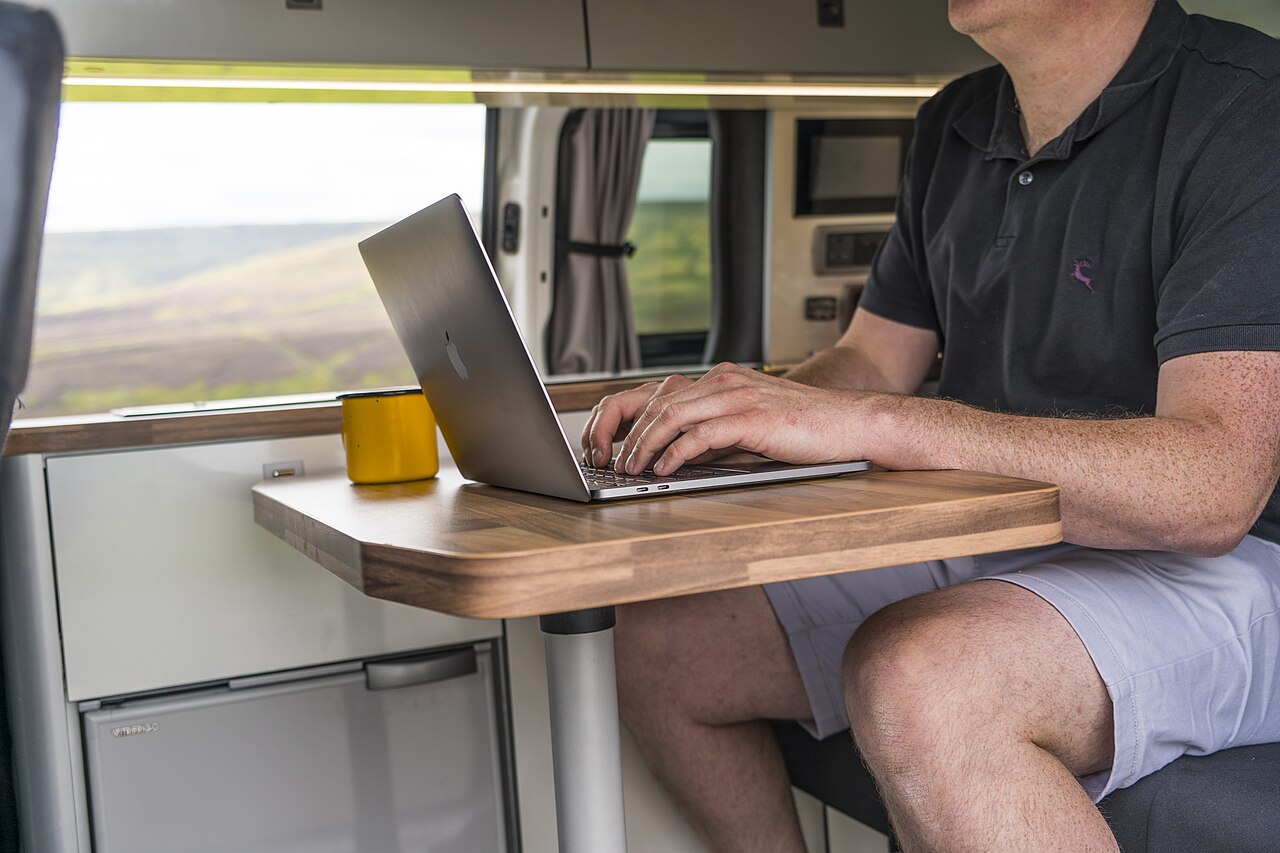
Try time-blocking in 90-minute sprints followed by a genuine break — not a scroll, but a walk around the block or five minutes making a proper cup of tea. The Pomodoro Technique (25 minutes on, five off) suits some people, but research increasingly suggests that longer uninterrupted blocks produce higher-quality output for complex cognitive work.
Manage Your Digital Presence, Not Your Time
One underrated aspect of professional visibility when working remotely is how you appear to clients, collaborators, and potential employers. If you are self-employed or running a small business from home, your online presence does a great deal of the work that office visibility used to handle. A clean, well-maintained website and a clear LinkedIn profile matter more than ever.
If you are unsure whether your digital presence is pulling its weight, it is worth getting an objective view. CM Beyer, a UK-based marketing consultancy, offers practical guidance for small businesses and sole traders looking to sharpen their positioning — the kind of straightforward advice that is genuinely useful when you are working alone and cannot bounce ideas off colleagues in a corridor.
Structure Your Day Around Outcomes, Not Hours
In an office, presence can masquerade as productivity. At home, that illusion evaporates. The most effective remote workers measure their days by what they completed, not how long they sat at their desk.
Start each morning with a written list of no more than three meaningful outcomes you intend to achieve that day. Not tasks — outcomes. "Draft client proposal" is a task. "Complete draft proposal so client can review by Thursday" is an outcome with weight and consequence. This small shift in framing changes how you prioritise, and it makes the end of your workday feel earned rather than arbitrary.
Use a simple tool for this: a physical notebook, a text file, or a free app like Notion or Todoist. The tool matters far less than the habit.
Create a Proper End-of-Day Ritual
Burnout among remote workers in the UK is a genuine concern. A 2024 CIPD survey found that a significant proportion of home workers regularly worked beyond their contracted hours, with many reporting difficulty switching off. When your home is your office, the workday can colonise your evenings without you quite noticing.
A deliberate end-of-day ritual helps signal to your brain that work is over. This could be as simple as writing tomorrow's three outcomes, closing your laptop, and putting it in a drawer. Some people find a short walk effective — essentially simulating a commute. Others use a specific playlist or a cup of tea reserved only for the end of the working day. The content matters less than the consistency.
If you live with a partner or family, communicate your finish time clearly and honour it. Boundaries that exist only in your head are not boundaries at all.
Look After Your Physical Health
Sitting still for eight hours is genuinely bad for you, and the home environment often makes this worse — there is no walk to a meeting room, no standing chat by the coffee machine, no lunchtime trip to a nearby sandwich shop.
Build movement into your day by design. Set a reminder to stand up every hour. Take phone calls on your feet or walking outside. If you have a dog, a midday walk is one of the best productivity investments you can make — 20 minutes away from your screen, fresh air, and a clearer head when you return.
Pay attention to your diet, too. It is easy to graze all day when the kitchen is ten steps away, or conversely to forget to eat properly. A proper lunch break — away from your desk, ideally — will serve your afternoon concentration far better than working through it.
Working from home well is a learnable skill. The professionals who thrive are not those with the most elaborate setups or the strictest schedules, but those who have learned to be honest with themselves about how and when they work best — and who have built their days around those truths rather than borrowed habits from an office they no longer attend.



Join in — free. Comments on Daily Junction are for members, so real names stay rare and bots stay out.
One field. We email you a 6-digit code — no password needed. Your comment is kept while you do it.
Under 13? You’ll need a parent’s OK first — it takes them one click.