

Influencer marketing has become a mainstream channel for Australian brands across nearly every sector — from FMCG and retail through to financial services and B2B technology. Yet many campaigns still underperform because marketers underestimate the compliance obligations, choose platforms poorly, or fail to put meaningful measurement frameworks in place before launch.
This guide covers the three areas that matter most: where Australian audiences actually are, what the ACCC expects of brands and creators, and how to prove the channel is working.
Choosing the Right Platform for the Australian Market
Platform selection should follow your audience, not industry convention. Instagram remains the dominant environment for lifestyle, beauty, homewares, and fashion brands, with Stories and Reels driving the highest organic reach. TikTok has accelerated sharply among Australians aged 18–34 and suits brands willing to invest in native, entertainment-led creative rather than repurposed assets.
YouTube holds a strong position for considered purchases — appliances, financial products, software — where long-form review content influences decision-making. LinkedIn, often overlooked, has matured into a credible B2B influencer channel, with sector specialists in fields like accounting, HR technology, and professional services generating meaningful engagement from decision-maker audiences.
Micro-influencers, broadly defined as accounts with between 10,000 and 100,000 followers, routinely outperform larger accounts on engagement rate in the Australian context. Their audiences tend to be tightly niched and geographically relevant, which matters considerably for brands targeting specific cities or states.
The team at CM Beyer works with Australian brands to identify the right creator mix for each campaign objective, combining platform data with category-specific benchmarks rather than relying on follower count alone.
ACCC Disclosure Rules: What Brands Must Know
Disclosure is not optional, and the ACCC has made clear it views non-disclosure of commercial relationships as potentially misleading conduct under the Australian Consumer Law.
"Consumers have a right to know when content is commercial in nature. Brands and influencers share responsibility for ensuring that paid and gifted arrangements are disclosed clearly and prominently." — ACCC guidance on influencer marketing
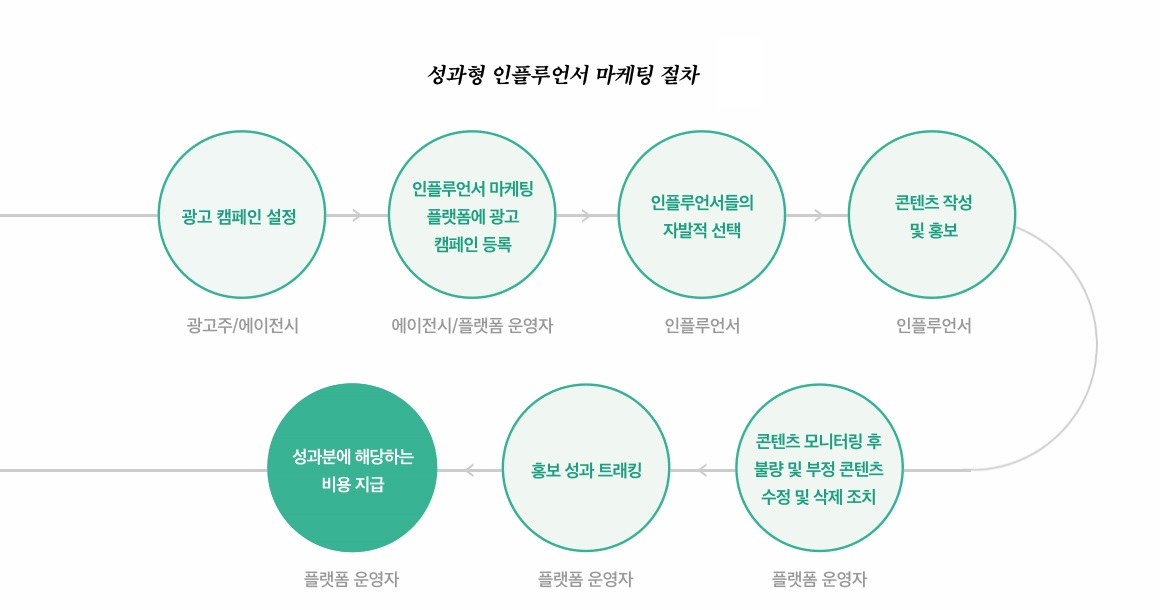
In practical terms, disclosure must appear at the beginning of a caption or within the first three seconds of a video, not buried beneath a 'more' fold or listed as one hashtag among twenty others. The ACCC accepts '#ad', '#sponsored', and platform-native labels such as Instagram's 'Paid partnership' tag. Terms like '#collab', '#gifted', or '#ambassador' used in isolation are unlikely to meet the standard.
Brands are responsible for ensuring their briefing documents explicitly require compliant disclosure. Leaving it to the creator is insufficient if the brand has any control over the content — and in most managed campaigns, they do. You can find a detailed breakdown of compliant campaign structures on the CM Beyer influencer marketing page.
Measuring Influencer Campaign Performance
The absence of a clear measurement framework before campaign launch is the single most common reason influencer marketing fails to demonstrate value internally.
For awareness objectives, track reach, impressions, and share of voice against comparable paid media buys. For conversion objectives, issue each creator with a unique discount code or UTM-tagged link so that downstream traffic and purchases can be attributed directly. Comparing cost per acquisition from influencer activity against your paid social or search benchmarks gives leadership a number they can act on.
Engagement rate — calculated as total interactions divided by reach, not by follower count — is the most reliable signal of content resonance. An average engagement rate of 3–5% on Instagram is considered healthy for Australian micro-influencer campaigns; anything above that warrants repeating the brief and the creator pairing.
For brands running longer programmes, monthly reporting should track both content performance and sentiment through comments and shares, since qualitative signals often reveal messaging issues before they become commercial problems.
If you are building out your measurement approach, our guide to digital marketing attribution and social media strategy for Australian businesses cover complementary frameworks in detail.
Influencer marketing works when it is treated as a managed channel rather than a one-off activation. Compliance, creator selection, and measurement are not afterthoughts — they are the foundation. CM Beyer helps Australian brands build influencer programmes that are compliant, strategically sound, and demonstrably effective.
Frequently asked questions
What disclosure language does the ACCC require for sponsored influencer posts in Australia?
The ACCC expects clear and conspicuous disclosure at the start of a post or caption. Accepted terms include '#ad', '#sponsored', or 'Paid partnership with [Brand]'. Ambiguous labels such as '#collab' or '#gifted' alone may not meet the standard and could expose both the brand and influencer to enforcement action.
Which social media platforms are most effective for influencer marketing in Australia?
Instagram remains the primary platform for lifestyle, beauty, and fashion campaigns. TikTok has grown rapidly with younger demographics, particularly under-35 audiences. YouTube suits longer-form content and product reviews, while LinkedIn is increasingly used for B2B influencer activity targeting professional audiences.
How do you measure the ROI of an influencer marketing campaign?
ROI measurement should combine reach and impressions for awareness goals, engagement rate for content performance, and tracked conversions — via unique discount codes, UTM parameters, or affiliate links — for commercial outcomes. Comparing cost per acquisition against other paid channels gives the clearest like-for-like view of efficiency.
Join in — free. Comments on Daily Junction are for members, so real names stay rare and bots stay out.
One field. We email you a 6-digit code — no password needed. Your comment is kept while you do it.
Under 13? You’ll need a parent’s OK first — it takes them one click.