

Almost every conversation about energy bills, climate change or the future of the grid eventually runs into the same pair of words: renewable and non-renewable. They sound straightforward, but the difference is more than a label — it shapes the cost of your electricity, the security of supply and the planet's climate. Here is what actually separates the two.
What it is
Renewable energy comes from natural sources that are replenished faster than we use them, while non-renewable energy comes from finite stocks that run down with use and cannot be replaced on any human timescale.
That is the core distinction. A solar farm draws on sunlight that arrives free every day; a coal plant draws on a fixed amount of coal that formed over hundreds of millions of years and is gone once burned. One source refills itself; the other does not.
But "running out" is only half the story. As we will see, the bigger modern difference is what each does to the atmosphere.
The main renewable sources
Renewables share one feature — nature keeps topping them up — but they work in very different ways.
- Solar — converts sunlight into electricity using photovoltaic panels, or into heat. Output depends on daylight and weather.
- Wind — turbines turn moving air into electricity, onshore or offshore. Output rises and falls with the wind.
- Hydropower — uses flowing or falling water, usually through dams, to spin turbines. Reliable and controllable where the geography allows.
- Geothermal — taps heat from inside the Earth for electricity or direct heating.
- Biomass — burns or ferments organic matter such as wood, crops or waste. It is renewable if the feedstock is regrown, though it still releases carbon when burned.
Solar and wind have grown fastest because their costs have fallen dramatically, a shift covered in more detail in our overview of renewable energy.
The main non-renewable sources
Non-renewables fall into two camps that are worth keeping apart.
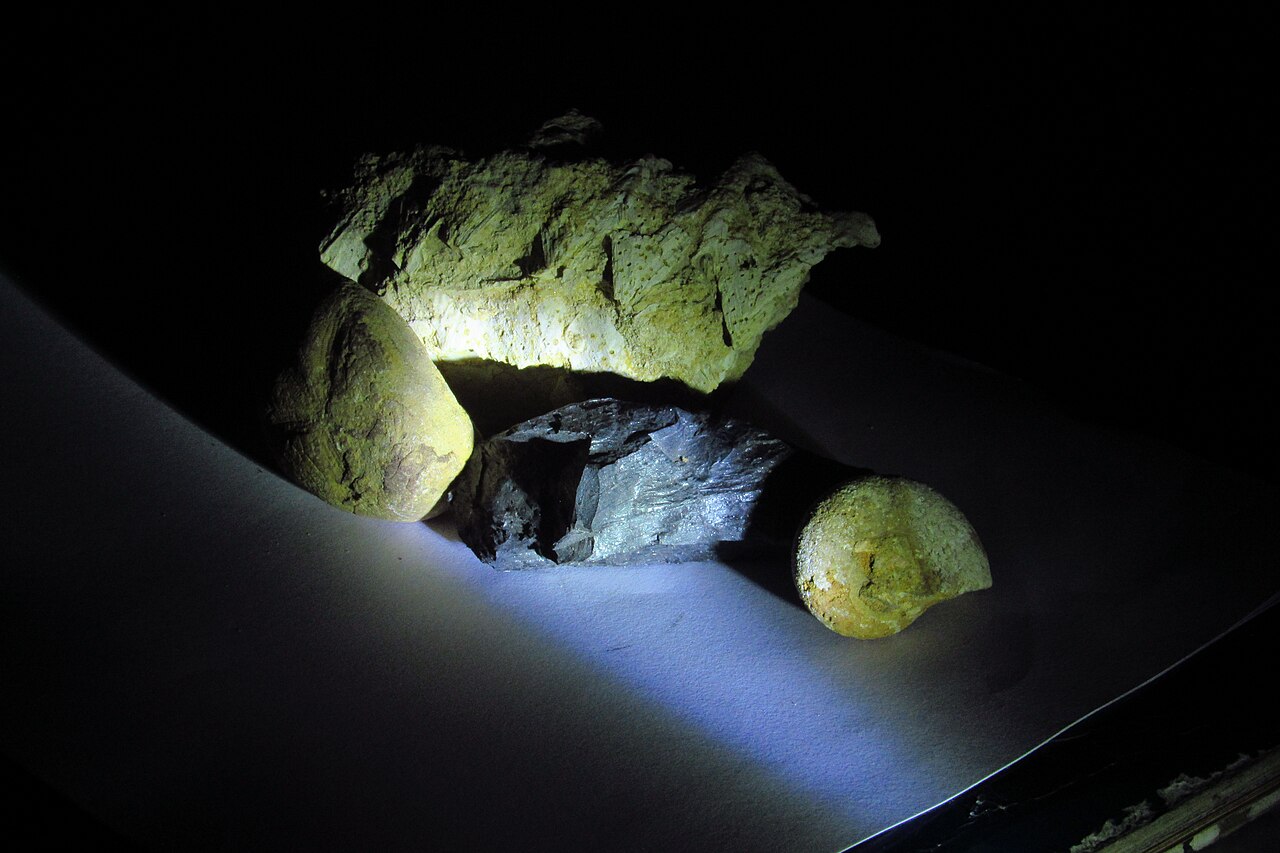
Fossil fuels — coal, oil and natural gas — are the remains of ancient plants and organisms, buried and transformed by heat and pressure over millions of years. They are energy-dense, easy to store and transport, and have powered industrial society for two centuries. But supplies are finite, and burning them releases carbon dioxide.
Nuclear fuel — chiefly uranium — is also finite and mined from the ground, which is why nuclear power is classed as non-renewable. Crucially, though, nuclear fission produces electricity without burning anything, so it emits very little carbon dioxide in operation. That is why nuclear is often discussed alongside renewables as a low-carbon source, even though it is not renewable.
The difference that matters most: carbon
If the only issue were supplies eventually running low, the switch to renewables would be a slow, gradual affair. The reason it has become urgent is climate.
Burning fossil fuels releases carbon dioxide, the main greenhouse gas driving climate change. Coal, oil and gas together account for the large majority of global energy-related emissions. Most renewables, by contrast, emit little or no carbon dioxide while they generate — the sun and wind do not need a flame.
So the renewable-versus-non-renewable choice is really two questions rolled into one:
- How long will it last? Finite versus replenishing.
- What does it do to the climate and air? High-carbon versus low- or zero-carbon in operation.
It is the second question that makes the transition a priority, and it sits at the centre of efforts to reach net zero. Cutting fossil fuel use also reduces the air pollution that harms health in towns and cities.
The trade-offs of each
Neither category is perfect, and an honest comparison has to weigh the downsides.
| Renewable | Non-renewable | |
|---|---|---|
| Supply | Replenished naturally | Finite, depletes with use |
| Carbon in operation | Low or none | High (fossil fuels); low (nuclear) |
| Reliability | Often variable (sun, wind) | Generally constant, controllable |
| Running cost of fuel | Effectively free | Subject to volatile fuel prices |
| Main challenge | Storage and grid flexibility | Emissions and finite supply |
The headline drawback of renewables is variability. Solar produces nothing at night and less under cloud; wind output swings with the weather. That makes some renewables harder to match to demand, which is why energy storage, flexible electricity use and well-connected grids matter so much. Hydropower, geothermal and biomass are steadier, but depend on geography or fuel supply.
Fossil fuels, for all their climate cost, are dependable and easy to dispatch on demand, which is one reason gas in particular still plays a balancing role on many grids. Nuclear offers steady, low-carbon output but involves high upfront costs, long build times and the challenge of managing radioactive waste safely.
Why renewables are winning on cost
For most of their history, renewables were seen as clean but expensive. That has changed. The cost of solar panels and wind turbines has fallen so far that, in much of the world, building new renewable generation is now cheaper than building new fossil fuel plants — and once built, the "fuel" is free.
This combination of falling costs and zero-carbon operation is why renewables are expanding fast and why so much policy, investment and technology is built around them. Transport is a clear example: the rise of electric cars is part of the same shift, moving energy demand away from petrol and diesel toward an increasingly low-carbon grid.
The bottom line
Renewable energy comes from sources nature keeps refilling — sun, wind, water, heat and biomass — while non-renewable energy comes from finite stocks like coal, oil, gas and uranium that we use up. The difference is partly about supply, but the decisive issue today is carbon: fossil fuels release the greenhouse gases warming the planet, while renewables and nuclear largely do not. Renewables now win on cost for new generation, with their main challenge being the variability of sun and wind. The direction of travel is clear, even if the journey takes managing carefully.
Frequently asked questions
What is the difference between renewable and non-renewable energy?
Renewable energy comes from sources that nature replenishes faster than we use them, such as sunlight, wind and flowing water. Non-renewable energy comes from finite stocks, such as coal, oil, gas and uranium, that took millions of years to form and are depleted as we use them.
Is nuclear power renewable?
No. Nuclear power is low-carbon, but it runs on uranium, a finite mined fuel, so it is classed as non-renewable. It is often grouped with renewables in climate discussions because, like them, it produces very little carbon dioxide when generating electricity.
Why switch to renewables if fossil fuels still work?
Two main reasons. First, fossil fuels are finite and will become harder and costlier to extract. Second, and more urgently, burning them releases carbon dioxide and other gases that drive climate change and air pollution, which renewables largely avoid.
What is the main drawback of renewable energy?
Many renewables are variable: solar panels need daylight and wind turbines need wind, so output rises and falls with the weather. Managing this needs energy storage, flexible demand and a well-connected grid, though hydro, geothermal and biomass are more constant.



Join in — free. Comments on Daily Junction are for members, so real names stay rare and bots stay out.
One field. We email you a 6-digit code — no password needed. Your comment is kept while you do it.
Under 13? You’ll need a parent’s OK first — it takes them one click.