
Global Trade Tensions and Their Growing Impact on UK Businesses
British businesses are confronting a rapidly shifting global trading environment in 2026, as escalating disputes between the world's largest economies drive up costs, disrupt supply chains, and force firms of every size to reassess strategies that functioned perfectly well just a few years ago. From automotive components to agricultural goods, the ripple effects of tariff wars and retaliatory measures are landing squarely on UK balance sheets — and the pressure shows little sign of easing.
A Worsening Landscape for Exporters and Importers
The tensions that have been building across transatlantic and Asia-Pacific trade routes since the early 2020s have deepened considerably. According to figures from the Financial Times, global merchandise trade volumes contracted in the first quarter of this year for the second time in three years, a pattern not seen since the immediate aftermath of the 2008 financial crisis.
For UK businesses, the picture is particularly complicated. Post-Brexit, Britain operates its own trade policy — providing theoretical flexibility, but also removing the collective weight of the EU single market from negotiations. UK exporters now face two distinct friction points: ongoing adjustment to EU trading arrangements, and the secondary effects of broader global disputes in which the UK is often a bystander rather than a principal party.
The Office for National Statistics reports that UK goods exports to the United States — the country's largest single export destination — fell in real terms during the first quarter of 2026, with manufacturing firms citing increased tariff uncertainty as a key factor in reduced order books. Meanwhile, import costs for goods sourced from Asia have climbed, driven by a combination of new tariff regimes and persistent dollar strength against the pound.
Manufacturing and Retail Take the Hardest Hits
Among the sectors feeling the sharpest pain, manufacturing stands out. Make UK, the industry body representing British manufacturers, has warned repeatedly that the cumulative weight of input cost inflation — much of it driven by imported raw materials and components now subject to higher duties — is eroding margins to dangerous levels.
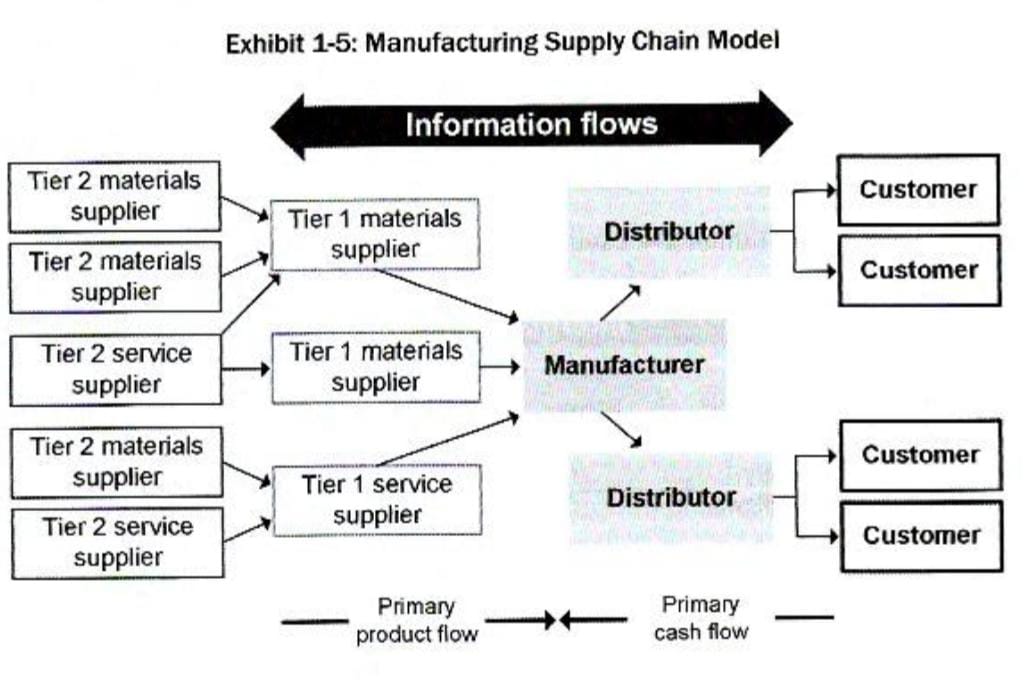
The automotive supply chain is a case in point. A typical UK-assembled vehicle contains components sourced from dozens of countries. When tariffs shift on steel from one direction, semiconductor supply from another, or rubber and plastics from a third, the disruption compounds quickly. Several Midlands-based tier-two suppliers have reportedly been forced into emergency renegotiations with their customers simply to remain viable.

Retail has not escaped. Consumer goods retailers that source heavily from South and East Asia have seen landed costs rise by an estimated 8–14 per cent over the past eighteen months, according to figures cited by Reuters in its ongoing coverage of global supply chain pressures. Some of those costs have been passed to consumers; others have been absorbed, squeezing already-thin margins in a sector that never fully recovered from the inflationary period of the early 2020s.
The Cash-Flow Crunch Hitting SMEs
If larger corporations can at least deploy reserves and sophisticated hedging strategies to weather tariff shocks, small and medium-sized enterprises are far more exposed. A sudden 15 per cent increase in the cost of imported components does not wait for a business's annual refinancing cycle.
The British Chambers of Commerce has highlighted cash-flow disruption as one of the primary concerns its members raise when discussing trade tensions. When an order is delayed at customs, when a supplier demands early payment to offset their own currency risk, or when a new tariff classification changes the economics of a product line overnight, SMEs need rapid access to working capital.
This is where alternative and specialist lenders have stepped into a gap that traditional high-street banks have been slow to fill. Credicorp, a UK business lender providing short-term finance, has positioned itself specifically for situations like these — offering funding without requiring a personal guarantee, a feature that matters enormously to owner-managers who would otherwise be putting their homes on the line simply to bridge a cash-flow gap caused by factors entirely outside their control.
Diversification: The Strategic Response
Beyond immediate financing, the medium-term response from UK businesses has centred on diversification — of both supply chains and export markets. The logic is straightforward: dependence on any single geography or trading relationship has become a vulnerability that firms can no longer afford to ignore.
Several UK food and drink exporters, traditionally reliant on European and American markets, have been actively developing distribution relationships in the Gulf Cooperation Council countries and Southeast Asia. The UK government's ongoing free trade agreement negotiations with the Gulf states and India are viewed by the business community as potentially significant, though progress has been slower than many hoped.
On the supply side, firms are actively qualifying alternative suppliers in countries with more stable or favourable tariff relationships with the UK. This process takes time and carries its own costs — auditing new suppliers, testing materials, updating certifications — but the view is that front-loaded investment now reduces structural vulnerability later.
What Businesses Should Be Doing Now
The practical advice from trade bodies and financial advisers coalesces around several priorities. First, scenario planning: firms that have modelled the impact of a range of tariff outcomes — rather than assuming current conditions persist — are better placed to act quickly when situations change.
Second, contract review. Many standard commercial contracts were written in an era of relatively stable trading conditions and do not contain adequate price-adjustment or force majeure provisions that would apply to tariff-driven cost increases. Legal review is an unglamorous but necessary step.
Third, and perhaps most pressingly, ensuring adequate working capital headroom. The businesses that have struggled most are those that entered the current period of volatility with little financial buffer. Whether through revolving credit facilities, invoice finance, or short-term business loans, having access to liquidity without the delays and conditions attached to conventional bank lending has proved the difference between absorbing a shock and being overwhelmed by it.
Global trade tensions are unlikely to resolve quickly. The structural forces driving them — geopolitical competition, supply chain nationalism, and the reshaping of multilateral institutions — are not short-cycle problems. For UK businesses, the task is not to wait for calmer waters, but to build the operational and financial resilience to navigate whatever weather comes next.
Frequently asked questions
Which UK industries are most exposed to global trade tensions?
Manufacturing, automotive, retail, and agriculture are among the sectors facing the greatest disruption. Firms that rely on components or raw materials from Asia or North America, or that export significant volumes to those markets, are particularly vulnerable to tariff changes and retaliatory measures.
What can UK SMEs do to protect themselves from tariff-related cost increases?
Options include diversifying supplier bases across different geographies, reviewing contracts to include price-adjustment clauses, hedging currency exposure, and securing short-term working-capital finance to manage cash-flow gaps while sourcing strategies are updated.
Does the UK's post-Brexit trade position help or hinder businesses dealing with global tariff disputes?
It cuts both ways. The UK can negotiate its own trade deals independently, offering some flexibility, but it no longer benefits from the EU's collective bargaining weight. Some UK exporters face a double burden — EU trade friction alongside new tensions in transatlantic and Asia-Pacific markets.



Join in — free. Comments on Daily Junction are for members, so real names stay rare and bots stay out.
One field. We email you a 6-digit code — no password needed. Your comment is kept while you do it.
Under 13? You’ll need a parent’s OK first — it takes them one click.