

Foreign aid generates strong feelings. To some it is a moral duty and a smart investment in a stable world; to others it is money that should be spent at home or that props up bad governments. Beneath the argument, though, many people are unsure what foreign aid actually covers, how much is given, and to whom. Here is a clear, even-handed explainer of what foreign aid is, the forms it takes, and the genuine debates around it.
What foreign aid is
Foreign aid is the transfer of resources — money, goods, services or expertise — from one country, or an international institution, to another, with the aim of supporting development, reducing poverty or providing relief in a crisis. It is sometimes called overseas aid, international aid or development assistance.
Aid can flow in several directions and through several channels:
- Bilateral aid goes directly from one government to another.
- Multilateral aid is channelled through international bodies such as United Nations agencies, the World Bank or regional development banks, which pool funds from many donors.
- Non-governmental aid is delivered by charities and non-governmental organisations, often funded by a mix of governments and private donations.
Aid is also not always cash. It can take the form of grants that need not be repaid, concessional loans offered on easy terms, donated goods such as food or vaccines, debt relief, or technical assistance — sending experts and training rather than money.
The main types of aid
It helps to distinguish the broad categories, because they have very different goals and timescales.
| Type | Purpose | Typical examples |
|---|---|---|
| Humanitarian aid | Save lives and relieve suffering in emergencies | Food, shelter, medicine after disasters or in conflict |
| Development aid | Lasting improvements in living standards | Schools, clinics, clean water, infrastructure |
| Military or security aid | Support a country's defence or stability | Equipment, training, peacekeeping support |
| Budget support | Help fund a government's own programmes | Direct contributions to a national budget |
- Humanitarian aid is the emergency response everyone recognises — the food convoys and medical teams that arrive after an earthquake, flood or famine, or during a war. It is about immediate survival.
- Development aid plays a longer game, trying to build the schools, health systems, roads and institutions that let a country grow and lift its own people out of poverty.
- Military and security assistance supports a recipient's defence or stability, and is more contested because it blurs the line between charity and strategy.
What aid is meant to achieve
The stated goals of aid usually fall into a few categories:
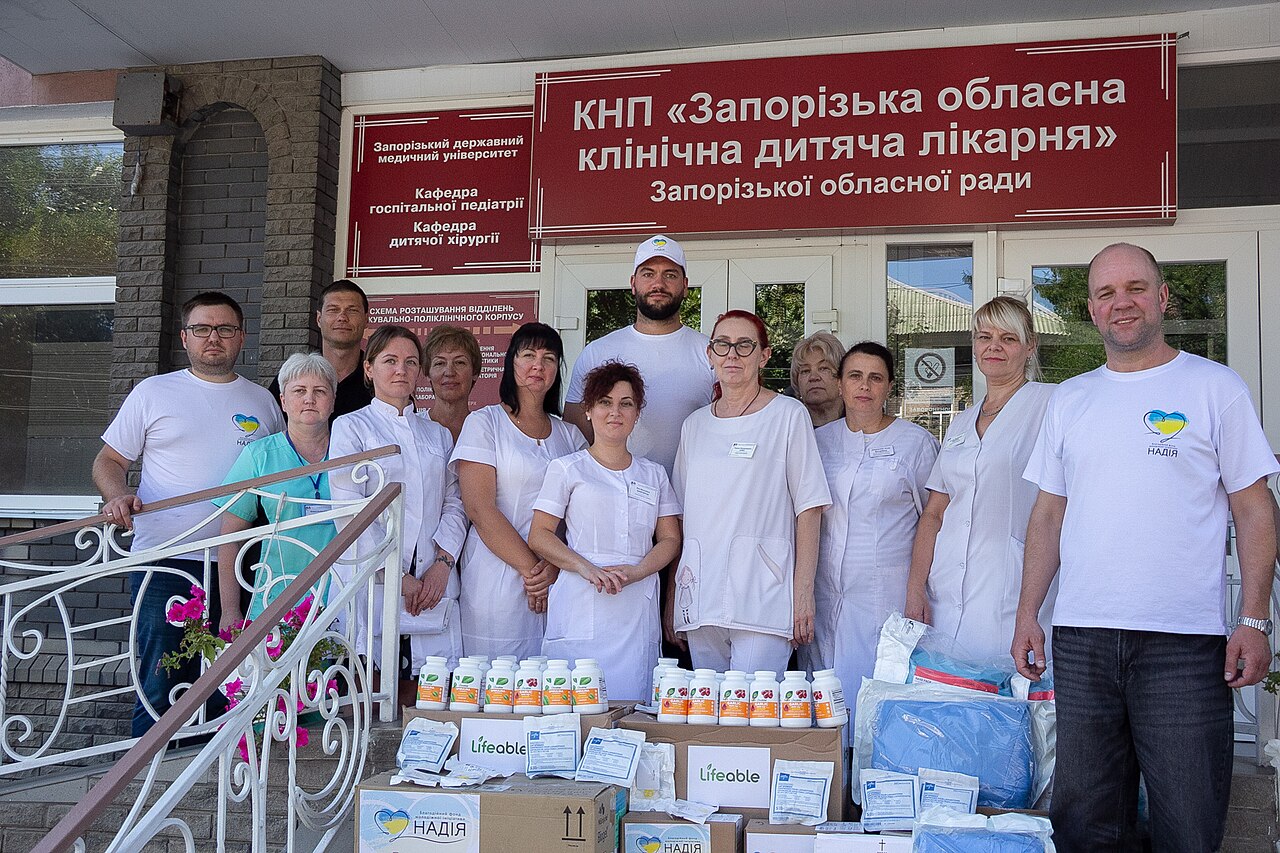
- Reducing poverty and saving lives. The humanitarian case is the most straightforward: helping people survive disasters and escape extreme poverty.
- Promoting development. Education, health and infrastructure can lay the foundations for self-sustaining growth, so that a country eventually needs less aid, not more.
- Advancing the donor's interests. Aid can build goodwill, support allies, open trade relationships and reduce the instability that drives conflict and migration. Donors are usually open that aid serves their interests as well as the recipient's.
These goals are tracked against international frameworks, most notably the United Nations Sustainable Development Goals, which set shared targets on poverty, health, education and the environment. Aid is only one input toward them; a recipient country's own tax and spending choices and its place in the global trading system usually matter more in the long run.
Who gives and who receives
Most large donors are wealthy countries, and the standard yardstick for government aid is Official Development Assistance (ODA) — a definition agreed by the Organisation for Economic Co-operation and Development (OECD), which tracks how much each donor gives. ODA must be aimed at development and welfare and offered on generous terms to count.
A long-standing United Nations target asks developed countries to spend 0.7 per cent of gross national income on ODA. Only a handful of countries consistently meet it; many give considerably less, and the figure is a recurring point of political debate.
Recipients are typically lower- and middle-income countries, with the poorest and those affected by conflict or disaster receiving particular attention. The amount of aid a country receives relative to the size of its economy varies enormously, and the largest donors are not always the most generous once their wealth is taken into account. The headline size of an economy is measured by GDP, which is why aid is often expressed as a share of national income rather than a flat sum.
The debates around aid
Few areas of policy are argued over as fiercely. The main lines of debate are these.
- Does it work? Supporters point to real achievements — the near-eradication of diseases, millions of children in school, lives saved in famines. Critics argue that some aid is poorly targeted, lost to corruption, or fails to produce lasting change.
- Dependency. A common concern is that long-term aid can entrench reliance rather than building self-sufficiency, and may even weaken a government's incentive to raise its own revenue.
- Conditions and control. Aid often comes with strings attached — reforms a recipient must make. Supporters say this ensures money is well spent; critics say it can be heavy-handed or serve donor priorities over local needs.
- Motives. Because aid can advance trade, security and influence, sceptics question whether it is truly altruistic. Most experts accept that aid usually serves mixed motives, and judge it on results rather than intentions.
A growing consensus is that the design of aid matters more than the headline amount: aid that is transparent, accountable, locally led and focused on building lasting capacity tends to do more good than aid that is tied, fragmented or poorly monitored.
The bottom line
Foreign aid is the transfer of money, goods, services or expertise between countries to support development or respond to emergencies. It comes in humanitarian, development and security forms, flows through bilateral, multilateral and charitable channels, and is measured for governments as Official Development Assistance, with a UN target of 0.7 per cent of national income that few donors meet. Whether aid works is genuinely debated, but the weight of evidence suggests that well-designed, accountable aid can save lives and support progress — while poorly targeted aid risks waste and dependency.
Frequently asked questions
What is foreign aid in simple terms?
Foreign aid is help that one country gives to another, usually money, goods, services or expertise, to support development, reduce poverty or respond to an emergency such as a famine or natural disaster.
What is the difference between humanitarian and development aid?
Humanitarian aid is short-term help in a crisis, such as food, shelter and medicine after a disaster or during a conflict. Development aid is longer-term support aimed at lasting improvements, such as building schools, health systems or infrastructure.
What is the 0.7 per cent aid target?
It is a long-standing United Nations target asking developed countries to spend 0.7 per cent of their gross national income on official development assistance. Only a minority of donor countries consistently meet it.
Does foreign aid actually work?
It depends on the type and how it is delivered. Aid has helped eradicate diseases and respond to emergencies, but critics argue some aid is poorly targeted, can foster dependency or serve donors' interests. Most experts say well-designed, accountable aid can be effective.



Join in — free. Comments on Daily Junction are for members, so real names stay rare and bots stay out.
One field. We email you a 6-digit code — no password needed. Your comment is kept while you do it.
Under 13? You’ll need a parent’s OK first — it takes them one click.