

How to Lose Weight Safely: The NHS-Aligned Guide for 2026
Losing weight is one of the most searched health topics in the UK — and one of the most misunderstood. Between social media fads, detox teas, and "miracle" diets promising results in a fortnight, it can be genuinely hard to know what actually works. The answer, backed by decades of research and endorsed by the NHS, is not especially glamorous: a moderate calorie deficit, a balanced diet, regular movement, and time.
This guide cuts through the noise and gives you a clear, practical, evidence-based roadmap for losing weight safely in 2026 — whether you have a stone to lose or are looking to make a significant long-term change to your health.
Understanding Calories and Creating a Safe Deficit
At its most fundamental level, weight loss occurs when you consistently consume fewer calories than your body burns. This is not a controversial claim — it is basic physiology. The NHS recommends a daily calorie intake of roughly 2,000 kcal for women and 2,500 kcal for men as a maintenance figure, though these numbers vary considerably depending on age, height, weight, and activity level.
To lose approximately 0.5 kg (1 lb) of fat per week, you need a deficit of around 500 kcal per day. This can be achieved through a combination of eating less and moving more — reducing your intake by 300 kcal and burning an additional 200 kcal through exercise, for instance, is far more sustainable than slashing your diet alone.
What you should avoid is dropping below 1,200 kcal per day for women or 1,500 kcal per day for men without medical supervision. Severe calorie restriction triggers the body's starvation response, slowing your metabolism, breaking down muscle tissue, and creating nutritional deficiencies that can have serious long-term consequences.
Practical steps:
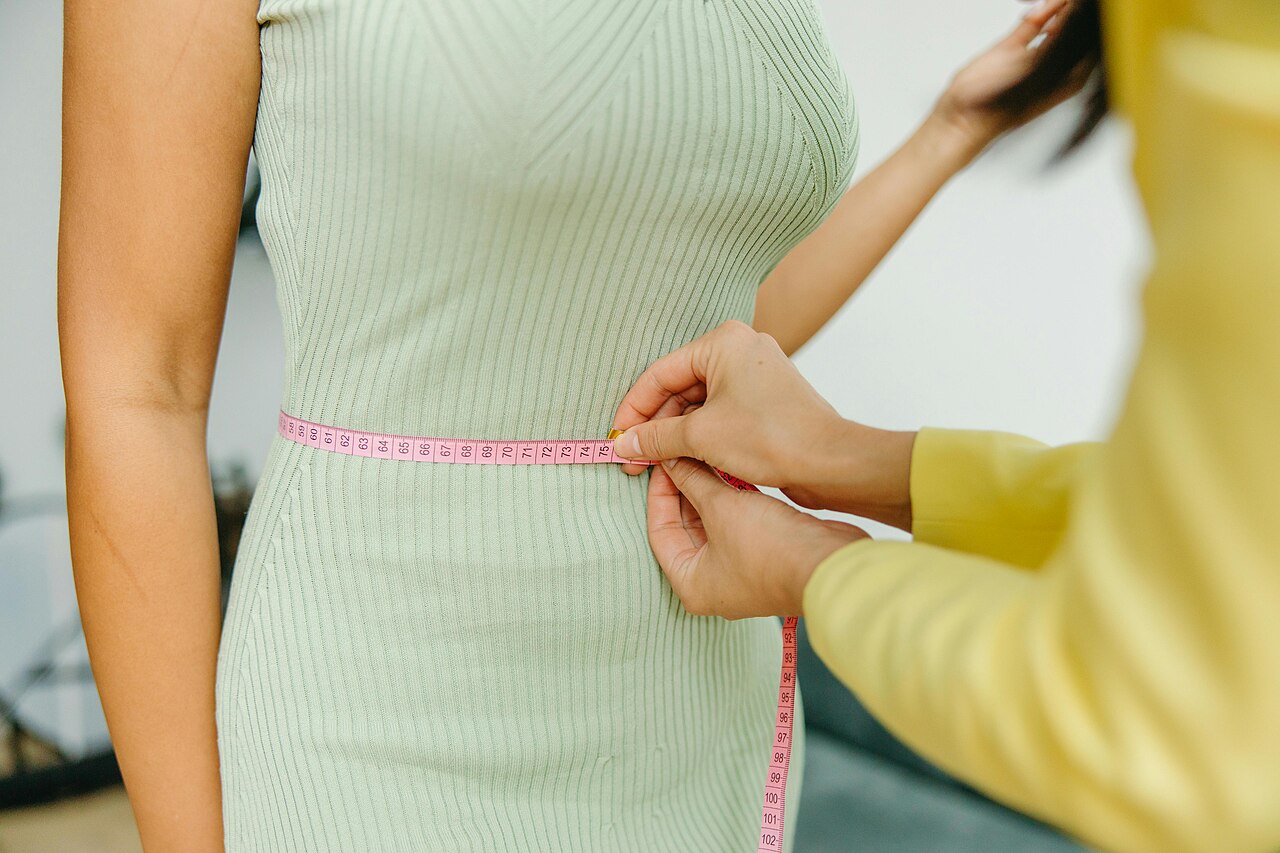
- Use the NHS BMI calculator to understand your starting point.
- Track your food intake for a week using an app such as MyFitnessPal to get an honest picture of your current calorie consumption.
- Aim for a deficit of no more than 500–600 kcal per day.
What to Eat: Building a Balanced, Sustainable Diet
The NHS Eatwell Guide remains the gold standard for dietary balance in the UK. Rather than cutting out food groups, it recommends building your plate around a variety of foods in the right proportions. Here is what that looks like in practice for someone looking to lose weight.
Prioritise protein at every meal. Protein is the most satiating macronutrient — it keeps you fuller for longer and preserves lean muscle mass during weight loss. Good sources include chicken breast, turkey, eggs, fish, tofu, legumes, and low-fat Greek yoghurt. Aim for around 1.2–1.6 g of protein per kilogram of body weight per day.
Fill half your plate with vegetables. Non-starchy vegetables such as broccoli, spinach, courgette, peppers, and salad leaves are extremely low in calories but high in fibre, vitamins, and minerals. They add volume to meals, slowing digestion and keeping hunger at bay.
Choose wholegrain carbohydrates. Brown rice, wholemeal bread, oats, and wholegrain pasta release energy more slowly than their refined counterparts, avoiding the blood sugar spikes that lead to energy crashes and cravings. Carbohydrates are not the enemy — the quality and quantity matter.
Limit ultra-processed foods. Crisps, biscuits, sugary cereals, ready meals, and fizzy drinks are calorie-dense, nutrient-poor, and engineered to override your natural hunger signals. A 2024 meta-analysis published in The BMJ confirmed a strong association between ultra-processed food consumption and weight gain, cardiovascular disease, and type 2 diabetes.
Watch your portion sizes and liquid calories. Alcohol, fruit juices, and speciality coffees can add hundreds of calories to your daily total without making you feel full. Swapping a 500 ml can of cola for sparkling water, or switching to a smaller glass of wine, can contribute meaningfully to your weekly deficit.
Exercise: Moving More Without Burning Out
Exercise alone is a poor strategy for weight loss — it is easy to out-eat a workout. However, physical activity is an essential component of a healthy weight loss plan for several reasons: it increases your calorie expenditure, preserves muscle mass as you lose fat, improves insulin sensitivity, and dramatically benefits your cardiovascular health and mental wellbeing.
The NHS recommends at least 150 minutes of moderate-intensity aerobic activity per week — think brisk walking, cycling, swimming, or light jogging — alongside muscle-strengthening activities on two or more days. For weight loss, increasing this towards 200–300 minutes per week produces better outcomes.
Strength training deserves particular attention. Building muscle increases your resting metabolic rate, meaning you burn more calories even while sitting still. Two sessions per week of bodyweight exercises, resistance bands, or weights — covering major muscle groups — is sufficient to produce meaningful changes. You do not need a gym membership to achieve this.
Incorporate more incidental movement. Research consistently shows that Non-Exercise Activity Thermogenesis (NEAT) — the calories burned through everyday activities like walking, fidgeting, housework, and standing — can account for a substantial portion of daily calorie expenditure. Take the stairs, get off the bus one stop early, walk during phone calls. These habits compound over weeks and months.
The Role of Sleep and Stress in Weight Management
This is the section most weight loss guides neglect, and it is a significant omission. Sleep deprivation and chronic stress are directly linked to weight gain through measurable hormonal pathways.
When you sleep fewer than seven hours per night, levels of ghrelin (the hunger hormone) rise and leptin (the satiety hormone) fall. The result is increased appetite — particularly for high-calorie, high-sugar foods — even when your body does not need extra energy. A consistent sleep schedule of seven to nine hours per night is not a luxury; it is a biological requirement for effective weight management.
Chronic stress elevates cortisol, a hormone that promotes fat storage — particularly around the abdomen — and drives cravings for comfort food. Stress management strategies including mindfulness, regular exercise, time in nature, and adequate social connection are all evidence-based tools for keeping cortisol in check.
Practical sleep hygiene tips:
- Keep a consistent sleep and wake time, even at weekends.
- Avoid screens for at least 30 minutes before bed.
- Keep your bedroom cool, dark, and quiet.
- Limit caffeine after 2 pm.
When to Seek Medical Support
Self-directed weight loss works well for many people, but there are situations where professional support is not just helpful — it is necessary. Speak to your GP if:
- Your BMI is 30 or above, or 27.5 and above if you are from a South Asian, Chinese, or Black African background (where the health risk threshold is lower).
- You have obesity-related health conditions including type 2 diabetes, high blood pressure, sleep apnoea, or joint problems.
- You have tried and failed to lose weight independently over a sustained period.
- You experience compulsive eating, binge-eating episodes, or a difficult relationship with food.
Your GP can refer you to NHS weight management services, which may include group programmes, specialist dietitian appointments, or — for those who qualify — prescription of weight loss medication such as orlistat or newer GLP-1 receptor agonists. For those with severe obesity (BMI 40+), bariatric surgery may be considered.
There is no shame in seeking help. Obesity is a complex condition influenced by genetics, environment, mental health, and social factors. Treating it as a simple matter of willpower does a disservice to the millions of people in the UK living with it.
Putting It All Together
Safe, sustainable weight loss is not about perfection. It is about making consistent, evidence-based choices — eating a little less, moving a little more, sleeping enough, managing stress, and being patient with the process.
The NHS 12-week weight loss plan is a free, well-structured starting point that provides weekly guidance on diet and exercise. Combined with the principles in this guide, it gives you everything you need to make real, lasting progress without putting your health at risk.
Start small, stay consistent, and remember: the best diet is the one you can actually maintain.
Frequently asked questions
How quickly should I expect to lose weight safely?
The NHS recommends aiming to lose between 0.5 kg and 1 kg (1–2 lbs) per week. This pace is achievable through a moderate calorie deficit and regular exercise without putting your body under excessive stress. Faster loss is possible in the early weeks — particularly if you reduce refined carbohydrates and processed foods — but a steady rate of loss is far more likely to be maintained long term.
Do I need to cut out entire food groups to lose weight?
No. The NHS does not recommend eliminating entire food groups. A balanced diet that includes carbohydrates (favouring wholegrain varieties), lean proteins, healthy fats, plenty of vegetables, and some dairy or dairy alternatives provides all the nutrients your body needs while supporting a calorie deficit. Overly restrictive diets increase the risk of nutritional deficiencies and binge-eating behaviours.
Can I lose weight without going to the gym?
Absolutely. While structured exercise accelerates fat loss and improves overall health, weight loss is primarily driven by a calorie deficit through food. Walking briskly for 30 minutes a day, cycling, swimming, or home-based bodyweight workouts all count. The NHS recommends at least 150 minutes of moderate-intensity activity per week, which can be broken into manageable 10-minute sessions.
When should I speak to a GP about my weight?
You should consult your GP if your BMI is 30 or above, if you have obesity-related health conditions such as type 2 diabetes or high blood pressure, or if you have tried to lose weight without success over a sustained period. Your GP can refer you to specialist weight management services, prescribe medication if appropriate, or discuss surgical options for those with severe obesity.


Join in — free. Comments on Daily Junction are for members, so real names stay rare and bots stay out.
One field. We email you a 6-digit code — no password needed. Your comment is kept while you do it.
Under 13? You’ll need a parent’s OK first — it takes them one click.