
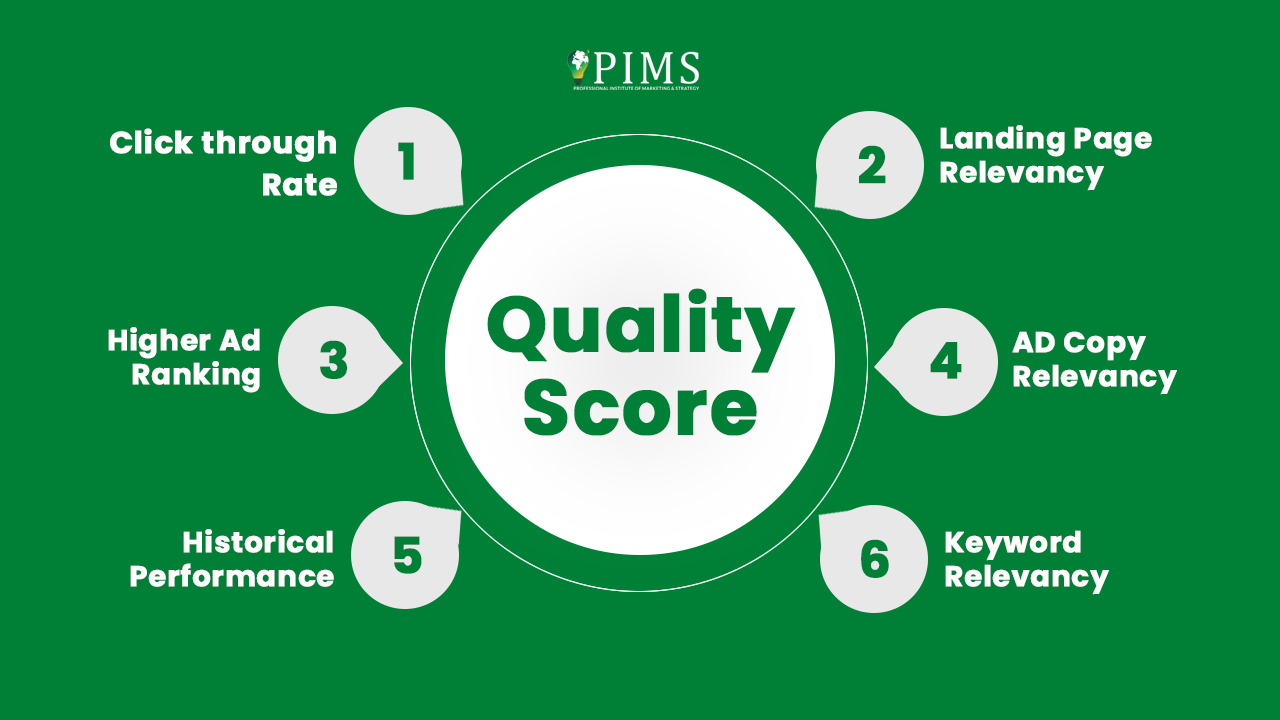
Google Ads remains one of the most effective paid channels available to Australian businesses. With more than 94 per cent of Australian internet users relying on Google as their primary search engine, the platform offers unmatched reach — from a sole trader in regional Queensland to a national e-commerce brand. Getting the strategy right from the start, however, requires more than simply loading a credit card and writing a few headlines.
Search Campaigns: Capturing High-Intent Audiences
Search campaigns are the foundation of most Google Ads accounts. They appear when someone types a query that matches your keywords, meaning you are reaching an audience that is actively looking for what you offer. This intent-based targeting is why Search typically delivers stronger conversion rates than awareness-led formats.
For Australian businesses, keyword research needs to reflect local language and search behaviour. Australians frequently search with suburb or city qualifiers, and industry terminology can differ from the United Kingdom or United States. Broad match keywords combined with smart bidding can work well once a campaign has sufficient conversion history, but new accounts benefit from starting with exact and phrase match to keep spend controlled whilst the algorithm learns.
Ad copy must comply with the ACCC's advertising and selling guidelines, which prohibit misleading claims and require that advertised prices include GST where applicable. Ignoring these obligations is not merely a brand risk — it can result in formal enforcement action.
"The best-performing Search campaigns are built around the customer's language, not the advertiser's assumptions. Understanding how Australians actually describe their problems is half the battle." — CM Beyer, Google Ads specialist
Performance Max: Expanding Reach Across Google's Inventory
Performance Max (PMax) is Google's AI-driven campaign type that serves ads across Search, Shopping, Display, YouTube, Gmail and Google Maps from a single campaign. It is goal-based: you supply conversion actions, creative assets and audience signals, and Google's machine learning determines where and when to show your ads to maximise results.
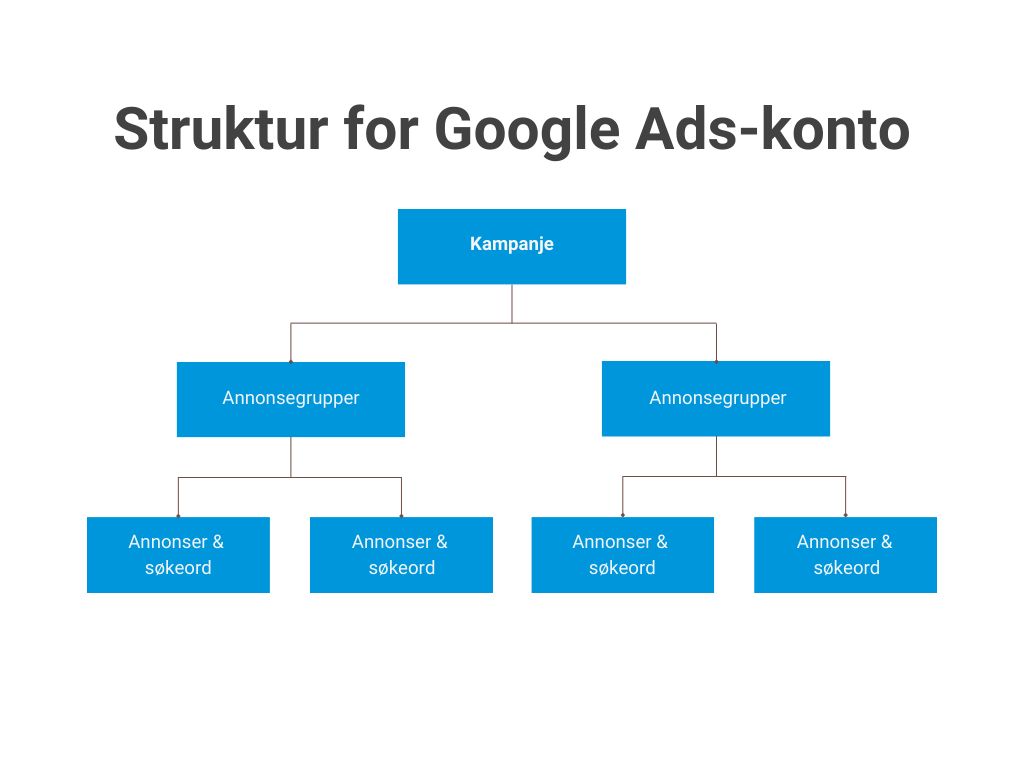
PMax has become particularly valuable for Australian retailers and service businesses looking to scale beyond Search without managing multiple separate campaigns. The trade-off is reduced transparency — you see aggregate performance rather than granular placement-level data. For this reason, asset groups should be tightly themed, audience signals should be seeded with first-party customer data where possible, and brand campaigns should be kept separate to protect branded traffic.
Australian businesses running Shopping through PMax also benefit from the platform's integration with Google Merchant Centre, which surfaces product listings in image-rich formats. Ensuring your Merchant Centre feed is accurate and up to date is a prerequisite for strong PMax Shopping performance.
For a deeper look at building a full digital presence around your paid activity, see our guide to content marketing fundamentals and how it supports lower cost-per-click over time.
Structuring Campaigns for the Australian Market
Bidding strategy, account structure and conversion tracking are the three pillars that determine whether a Google Ads account grows profitably or burns budget without return. In Australia, where cost-per-click in competitive verticals such as legal, finance and healthcare can exceed $20, poor structure is expensive.
Target CPA and Target ROAS bidding require a minimum of 30–50 conversions per month before they become reliable. Accounts below this threshold are generally better served by Maximise Conversions with a budget cap while data is gathered. Conversion tracking should be implemented via Google Tag Manager with server-side verification where possible to mitigate the impact of browser-based cookie restrictions.
Working with an experienced local specialist makes a material difference to campaign outcomes. CM Beyer manages Google Ads for Australian businesses across a range of industries, helping clients navigate both the technical complexity of the platform and the specific regulatory environment in which Australian advertisers operate.
For businesses also exploring organic visibility alongside their paid strategy, our overview of technical SEO for small businesses covers the complementary foundations worth investing in alongside paid search.
A well-structured Google Ads account, built on a clear understanding of Australian search behaviour and consumer law, remains one of the highest-return investments a growing business can make in its marketing mix.
Frequently asked questions
What is the minimum budget to start Google Ads in Australia?
There is no enforced minimum, but most Australian small businesses see meaningful data with at least $30–$50 per day. Budgets below this level can make optimisation difficult as conversion data accumulates slowly.
What is the difference between Search and Performance Max campaigns?
Search campaigns target specific keywords and show text ads on Google Search results. Performance Max is a goal-based campaign type that automatically places ads across Search, Display, YouTube, Gmail and Maps using AI to maximise conversions.
Do Australian advertising laws apply to Google Ads?
Yes. The Australian Competition and Consumer Commission (ACCC) enforces consumer protection law, which means ad copy must not be misleading or deceptive. Pricing claims, comparisons and testimonials all carry legal obligations.



Join in — free. Comments on Daily Junction are for members, so real names stay rare and bots stay out.
One field. We email you a 6-digit code — no password needed. Your comment is kept while you do it.
Under 13? You’ll need a parent’s OK first — it takes them one click.