
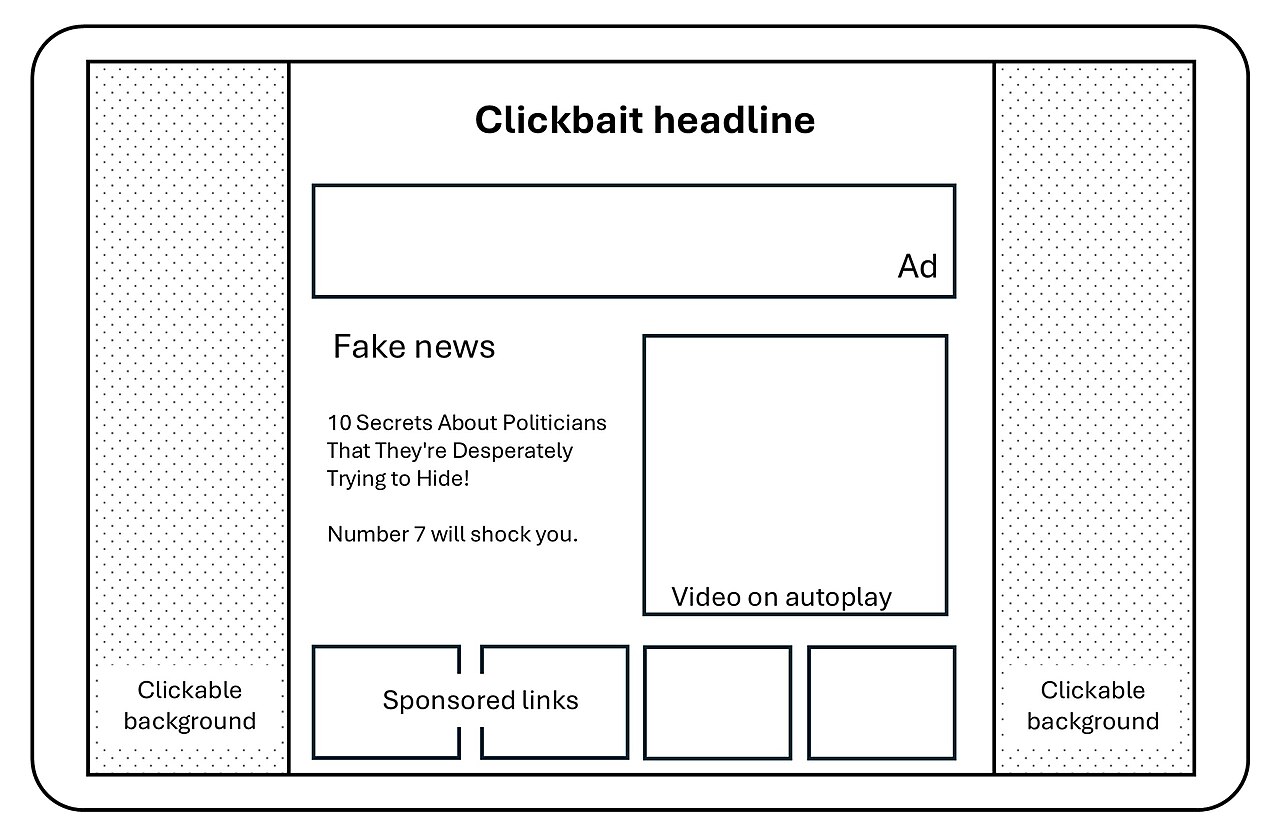
Digital advertising has changed almost beyond recognition in the past decade. Where a marketing manager once negotiated directly with a publisher to place a banner ad, that same impression is now bought and sold by software in the time it takes a page to load. This is programmatic advertising — and understanding how it works is increasingly essential for any UK business owner spending money online.
How programmatic advertising works
At its heart, programmatic advertising is automated media buying. When a user loads a web page that carries advertising, the publisher's ad server sends a signal to a supply-side platform (SSP), which passes the impression to an auction. Advertisers' demand-side platforms (DSPs) assess the impression against their targeting criteria — the user's location, browsing history, device, time of day — and submit bids in milliseconds. The highest eligible bid wins and the ad is served. The entire process completes before the page finishes loading.
This mechanism is called real-time bidding (RTB). Because each impression is assessed individually, advertisers pay only for the audiences most likely to be relevant to them. A plumbing supplies company in Leeds can target homeowners within 30 miles who have recently searched for boiler repairs, ignoring every other impression on the same publisher's site.
Beyond RTB, there are private marketplace (PMP) deals, where premium publishers offer inventory to selected buyers at negotiated terms, and programmatic direct, which automates guaranteed placements without an open auction. Knowing which model suits your campaign goals is part of buying programmatic well.
Programmatic is not simply a cheaper way to buy the same ads. It is a different model of advertising — one where data quality and bidding strategy matter as much as the creative itself.
Compliance and brand safety for UK advertisers
Programmatic advertising operates at enormous scale, which creates two significant risks for UK businesses: regulatory exposure and brand safety.

On the regulatory side, UK GDPR and the Privacy and Electronic Communications Regulations (PECR) govern how audience data can be collected and used. If your campaigns rely on behavioural targeting — which most programmatic campaigns do — you need a lawful basis for processing personal data. In practice, this usually means ensuring your consent management platform (CMP) is correctly configured and that you are not purchasing audience segments built on unlawfully collected data. The ICO has published detailed real-time bidding guidance that sets out what is expected of both data controllers and processors in the adtech supply chain.
Brand safety refers to ensuring your ads do not appear alongside content that is harmful, offensive, or simply unsuitable for your brand. Programmatic's automated nature means your ad can theoretically run on any participating site. Exclusion lists, verified publisher allowlists, and third-party verification tools such as DoubleVerify or IAS are standard practice for managing this risk. The ASA's digital advertising guidance also sets out responsibilities that apply regardless of how an ad is placed.
Getting the most from programmatic in the UK
Understanding the mechanics is one thing; running profitable campaigns is another. Programmatic rewards advertisers who bring clean first-party data, clear conversion goals, and the patience to optimise over time. It punishes those who set a campaign running and ignore it.
For many UK businesses, the most practical route into programmatic is through a specialist agency or an agency with a dedicated advertising division. CM Beyer manages programmatic activity through its advertising division, handling campaign strategy, DSP selection, audience targeting, and ongoing optimisation for clients who want results without managing the technology stack themselves. This kind of full-service advertising management is particularly valuable when navigating premium inventory deals or compliance requirements that carry real legal weight.
Before briefing any agency, it is worth understanding your own data position. A business with a strong CRM list and meaningful site traffic will unlock targeting options that are simply unavailable to one starting from scratch. Pairing programmatic with solid content marketing foundations and a clear view of how much to allocate to digital marketing will put you in a stronger position to measure return and scale what works.
Programmatic advertising is not a shortcut. Used well, with the right data and the right partners, it is one of the most efficient ways to reach a defined audience at scale. Used carelessly, it burns budget on irrelevant impressions and creates compliance headaches. The difference, almost always, lies in the quality of the strategy behind it.
Frequently asked questions
What is programmatic advertising?
Programmatic advertising is the automated buying and selling of digital ad inventory — banner ads, video slots, native placements — through software platforms rather than direct human negotiation. Advertisers set targeting criteria and budgets; the platform bids on matching impressions in real time, placing the ad if the bid wins. It covers search, display, video, and connected TV.
Is programmatic advertising suitable for small UK businesses?
Yes, though the entry point matters. Programmatic is most cost-effective when you have clear audience data, a defined conversion goal, and enough budget to generate statistically meaningful results — typically at least a few hundred pounds per month. Smaller businesses often benefit most from working with a specialist who can manage bidding strategies and avoid wasted spend.
What UK regulations apply to programmatic advertising?
UK GDPR, the Privacy and Electronic Communications Regulations (PECR), and ASA advertising codes all apply. Targeting based on personal data requires a lawful basis — most commonly, freely given, specific consent obtained through a properly configured consent management platform. The ICO publishes guidance on adtech and real-time bidding that businesses should review before launching campaigns.
Join in — free. Comments on Daily Junction are for members, so real names stay rare and bots stay out.
One field. We email you a 6-digit code — no password needed. Your comment is kept while you do it.
Under 13? You’ll need a parent’s OK first — it takes them one click.