

Sustainability is now mainstream in UK business communication. Consumers expect it, investors increasingly demand it, and job applicants factor it into career decisions. Yet the regulatory environment around green claims has sharpened considerably — and businesses that communicate carelessly face real consequences, from enforced ad withdrawal to reputational damage that takes years to repair. Getting sustainability marketing right in 2026 means understanding the rules, grounding every claim in evidence and building communication that is genuinely credible rather than superficially reassuring.
The regulatory rules: ASA, CMA and beyond
Two bodies set the tone for green claims in UK marketing. The Advertising Standards Authority (ASA) applies the UK Code of Non-broadcast Advertising and the BCAP Code to environmental claims in ads, requiring that they are truthful, substantiated and not likely to mislead. The Competition and Markets Authority (CMA) published its Green Claims Code in 2021 and has since been actively monitoring and enforcing it — including through the provisions of the Digital Markets, Competition and Consumers Act 2024, which gives the CMA direct enforcement powers without requiring a court order.
The core principle from both bodies is the same: a claim must be accurate, clear and backed by evidence that exists before the claim is made. Terms such as "eco-friendly", "green" or "sustainable" used without qualification are considered potentially misleading because they are too broad to be verifiable. If your packaging says "made sustainably", you need to be able to explain precisely what that means, which aspects of production it covers, and what evidence supports it.
Comparative claims deserve particular care. Saying a product has "50% lower carbon emissions" is only useful if the comparison — lower than what, measured how, over which scope — is spelt out clearly. The ASA has ruled against several UK advertisers in recent years for precisely this type of incomplete comparison.
The businesses that navigate this well are not the ones with the most ambitious pledges — they are the ones who know what they can genuinely prove and communicate that with clarity and restraint.
Authentic ESG communication: substance over signalling
Regulatory compliance is the floor, not the ceiling. Consumers in 2026 are more sceptical of green claims than ever, and the businesses gaining the most trust are those willing to be specific, honest about progress and transparent about gaps.
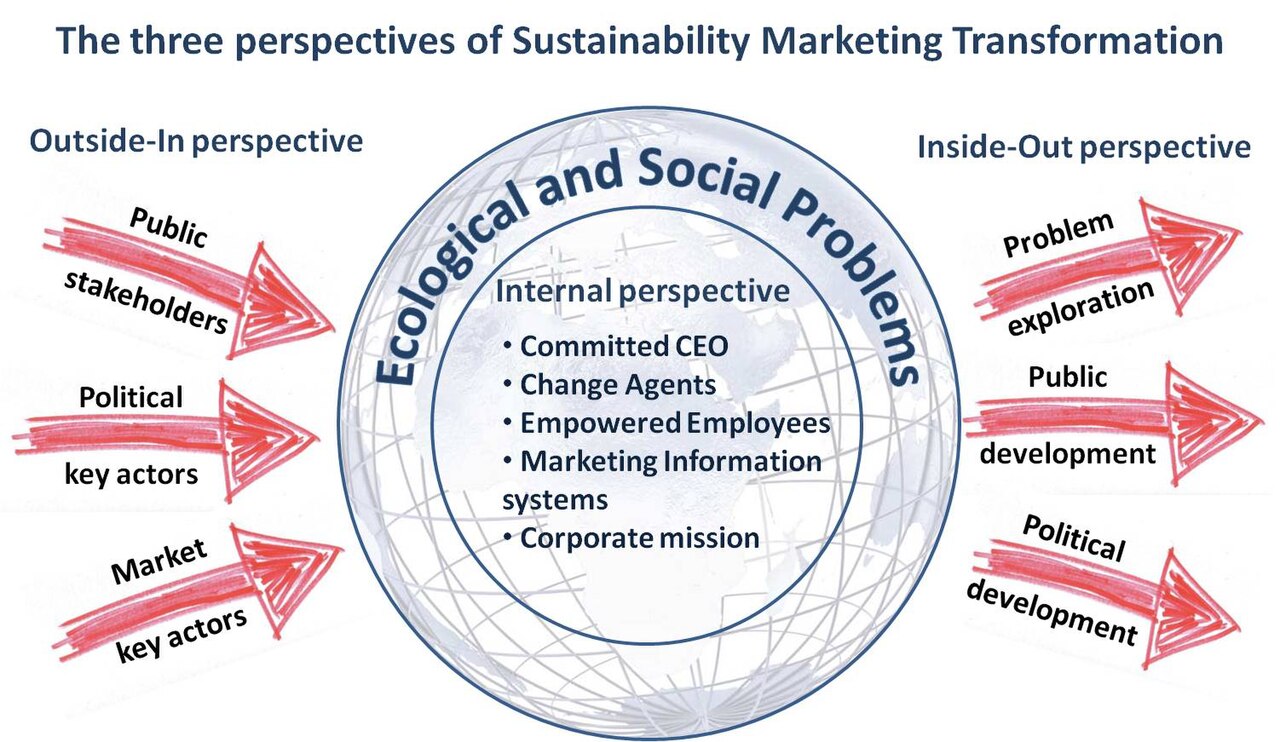
A credible sustainability narrative starts internally: audit what you actually do before you say anything publicly. That might mean recording energy consumption data, mapping your supply chain, listing certifications held (such as B Corp, ISO 14001 or sector-specific schemes) and documenting what proportion of waste is diverted from landfill. With that evidence base in place, your marketing team or a specialist such as CM Beyer, a UK marketing consultancy, can help translate technical reality into compelling, compliant messaging.
Avoid the temptation to over-claim on future targets. Saying you "will be net zero by 2040" without an interim roadmap is increasingly treated with scepticism by both regulators and consumers. If you have a plan, share the milestones. If you are still developing one, say so — honesty about the journey often resonates more strongly than a distant pledge. Linking sustainability content to concrete initiatives, such as a reduction in single-use packaging or a switch to a renewable energy tariff, gives audiences something tangible to engage with.
For B2B businesses, ESG communication increasingly feeds into procurement decisions. Many larger organisations now require suppliers to complete sustainability questionnaires or hold recognised certifications. Your marketing materials and website should make it easy for potential clients to find the evidence they need — not just headlines, but the underlying data. This is an area where clear, well-structured content strategy pays dividends.
Putting it into practice
The practical steps for UK businesses are straightforward in principle, though they require discipline in execution. First, audit your claims: review every piece of marketing collateral for environmental language and ask whether each claim is specific, evidenced and currently true. Second, brief your team: anyone writing copy or briefing agencies needs to understand that aspirational language without evidence is a liability, not a selling point. Third, build a documentation habit: keep a live record of the data that underpins your sustainability claims so that if the ASA or CMA ever asks, you can respond promptly and confidently.
Working with an experienced adviser makes this process considerably faster. CM Beyer works with UK businesses to develop sustainability communication strategies that are both genuinely persuasive and fully compliant with ASA and CMA requirements. The goal is always the same: to help organisations say what they can honestly say — and say it well.
Used properly, sustainability marketing is one of the most powerful tools available to UK businesses in 2026. The companies that will benefit most are those treating it as an honest reflection of real progress, not a layer of green paint over business as usual. Build on substance, communicate with precision and your sustainability story will be one that stands up to scrutiny — and to your customers' growing expectations.
Frequently asked questions
What is greenwashing and why does it matter for UK businesses?
Greenwashing is the practice of making environmental or sustainability claims that are exaggerated, vague or misleading. In the UK it can breach the CMA's Green Claims Code, ASA advertising rules and, since 2024, provisions of the Digital Markets, Competition and Consumers Act. Consequences range from enforced ad withdrawal and reputational damage to legal action, making accurate green communication a commercial as well as ethical priority.
What does the ASA require for green advertising claims?
The Advertising Standards Authority requires that green claims are substantiated with strong, up-to-date evidence before publication. Claims must relate to the product or service being advertised, not a company's broader ambitions. Comparative claims — such as 'lower emissions than our previous range' — must specify what is being compared. The ASA can require ads to be withdrawn and publishes rulings that damage brand reputation.
How should a business approach ESG communication authentically?
Start by documenting what you actually do — supply chain audits, energy use data, certifications held — before writing any claims. Map each claim to specific evidence and avoid absolute language ('carbon neutral', 'fully sustainable') unless you can prove it with a recognised methodology. Share progress honestly, including where targets have not yet been met. Authenticity and transparency are more credible to consumers than polished but hollow pledges.



Join in — free. Comments on Daily Junction are for members, so real names stay rare and bots stay out.
One field. We email you a 6-digit code — no password needed. Your comment is kept while you do it.
Under 13? You’ll need a parent’s OK first — it takes them one click.