
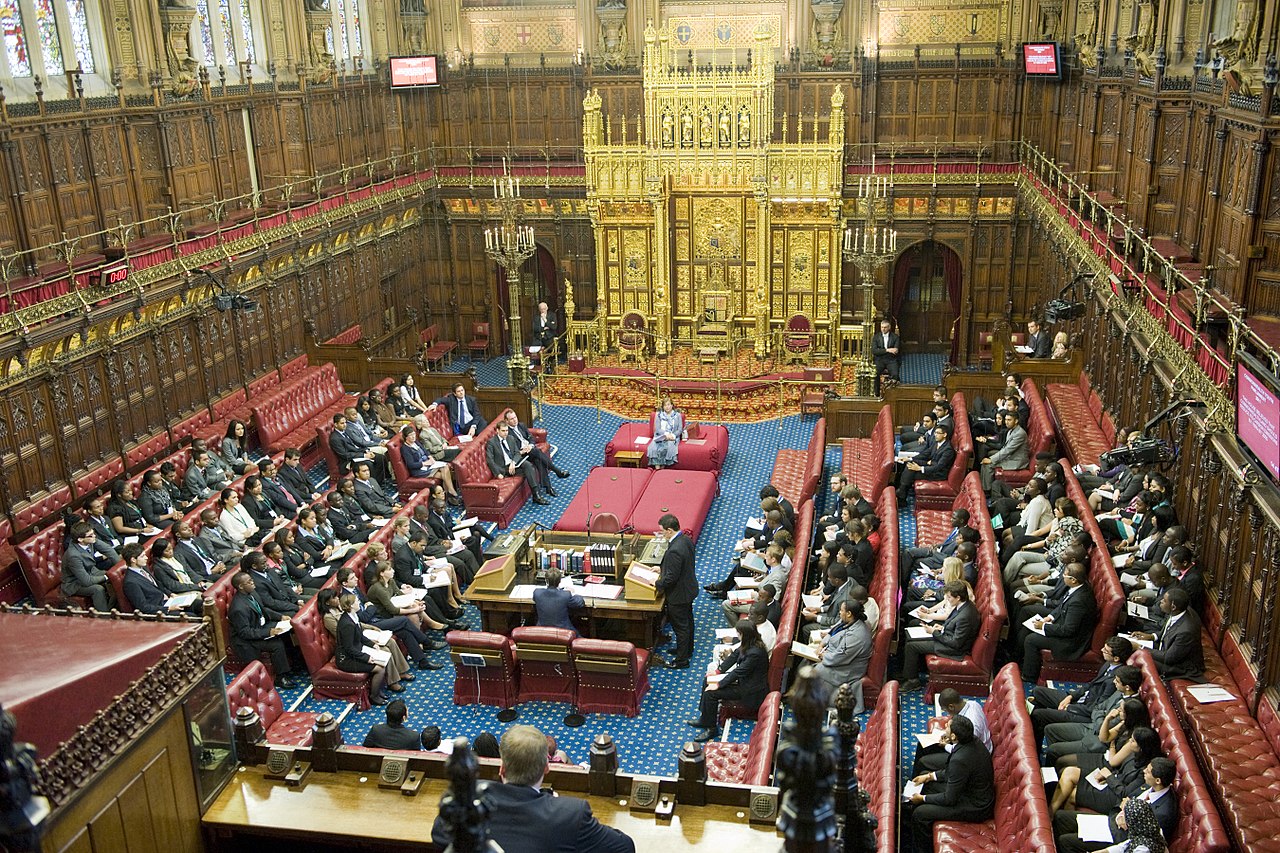
Explained to a visitor, the composition of Britain's second chamber sounds like satire: several hundred members appointed for life largely on prime ministers' recommendations, a residue of hereditary aristocrats chosen by internal by-elections among themselves, and twenty-six Church of England bishops, together forming one of the largest legislative bodies in the world. Reform has been promised since the preamble of a 1911 statute described the arrangement as temporary. The persistence of the "temporary" arrangement across a century is not an accident, and understanding why explains a great deal about the British constitution.
Start with what the chamber actually does, because the caricature and the function have diverged. The Lords' daily work is revision: line-by-line scrutiny of legislation, much of it arriving barely examined from a timetabled Commons. Its membership, alongside the party appointees and the donors who periodically scandalise, includes former judges, scientists, generals, doctors and executives, and the crossbench group belongs to no party at all. Governments are routinely defeated there, in numbers unthinkable in the Commons, and while the Parliament Acts mean the Lords can only delay a determined Commons for about a year, the delays and amendments regularly improve or soften legislation. Defenders' case is precisely that the chamber's illegitimacy keeps it humble: it revises and warns but knows it cannot ultimately insist.
That is also the heart of the reform paradox. Make the chamber elected, and it acquires a mandate. A senate with a mandate demands real power, challenging the Commons' supremacy and creating the gridlock the current arrangement avoids. Every comprehensive reform scheme, and there have been many, from the 1968 attempt to the 2012 bill that fell to a backbench revolt, has died on some version of this question, assisted by the reliable fact that no government with a Commons majority feels urgency about handing power to a rival chamber.
The reforms that actually happen
What survives is incrementalism. The 1999 reform removed most hereditary peers, leaving 92 as a negotiated remnant whose abolition has returned to the agenda. Retirement was introduced in 2014, and expulsion for non-attendance and misconduct followed. Proposals with broad support queue politely: ending the hereditary by-elections, an age or term limit, restraining the size of a chamber that appointments keep swelling, and putting the appointments commission on a statutory footing so that a prime minister can no longer override propriety concerns, an override that has happened and made headlines.
The likeliest future is therefore more of the same: a chamber trimmed, aged and professionalised by degrees, indefensible in theory and functional enough in practice, reformed perpetually and never quite replaced. In this it may be the most representative British institution of all.






Join in — free. Comments on Daily Junction are for members, so real names stay rare and bots stay out.
One field. We email you a 6-digit code — no password needed. Your comment is kept while you do it.
Under 13? You’ll need a parent’s OK first — it takes them one click.