
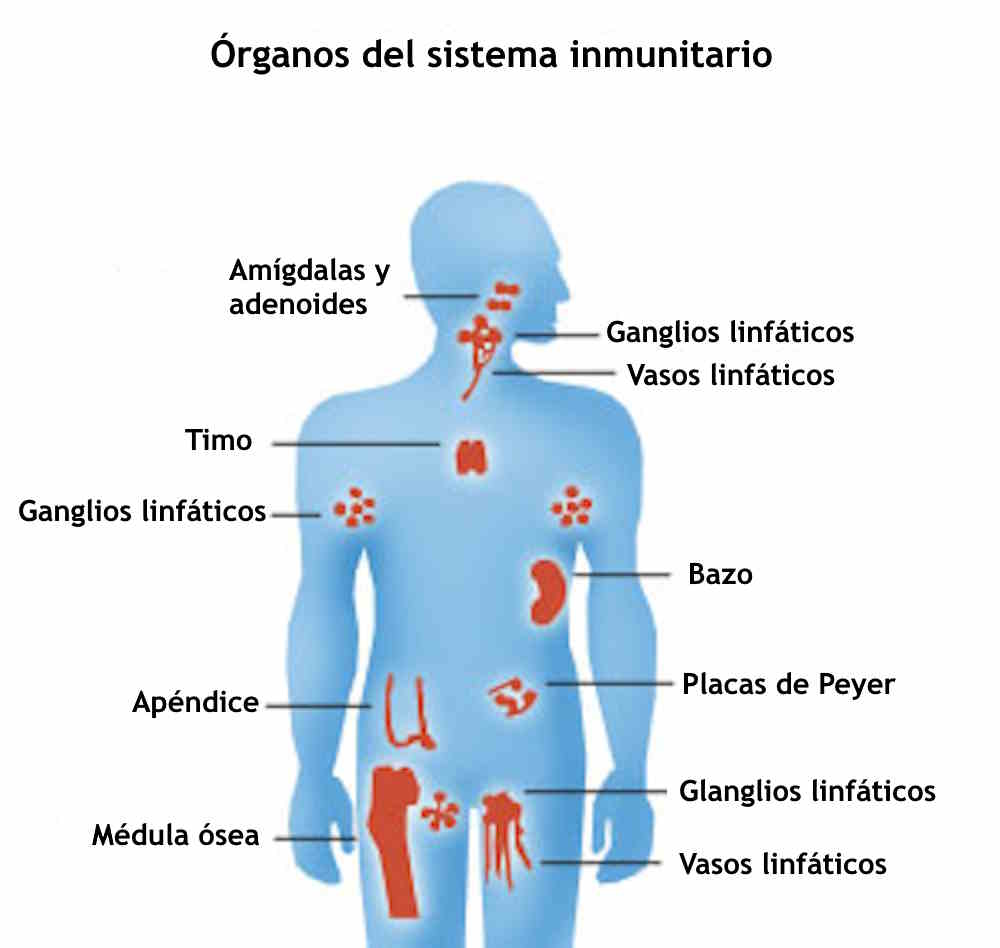
Every day, without any conscious effort on your part, your body fends off a constant stream of bacteria, viruses and other would-be invaders. The system that does this is one of biology's most elegant: a layered defence that is both a blunt, fast-acting shield and a precise, learning weapon. Understanding how it fits together explains everything from why you feel ill to why vaccines work.
Here is how the immune system does its job.
What the immune system is
The immune system is the body's defence network — a coordinated collection of cells, tissues and organs that detects harmful invaders and destroys them, while sparing the body's own healthy cells.
Its central challenge is recognition: telling "self" from "non-self." It does this by spotting molecular markers called antigens on the surface of germs, which act like identifying flags. Once something is recognised as foreign, the system mounts a response.
Broadly, that response comes in two layers that work together: a fast, general innate system and a slower, highly targeted adaptive system.
The first line: innate immunity
Innate immunity is the defence you are born with. It is fast, general-purpose and reacts to almost any threat in much the same way, buying time for the more specialised response to gear up.
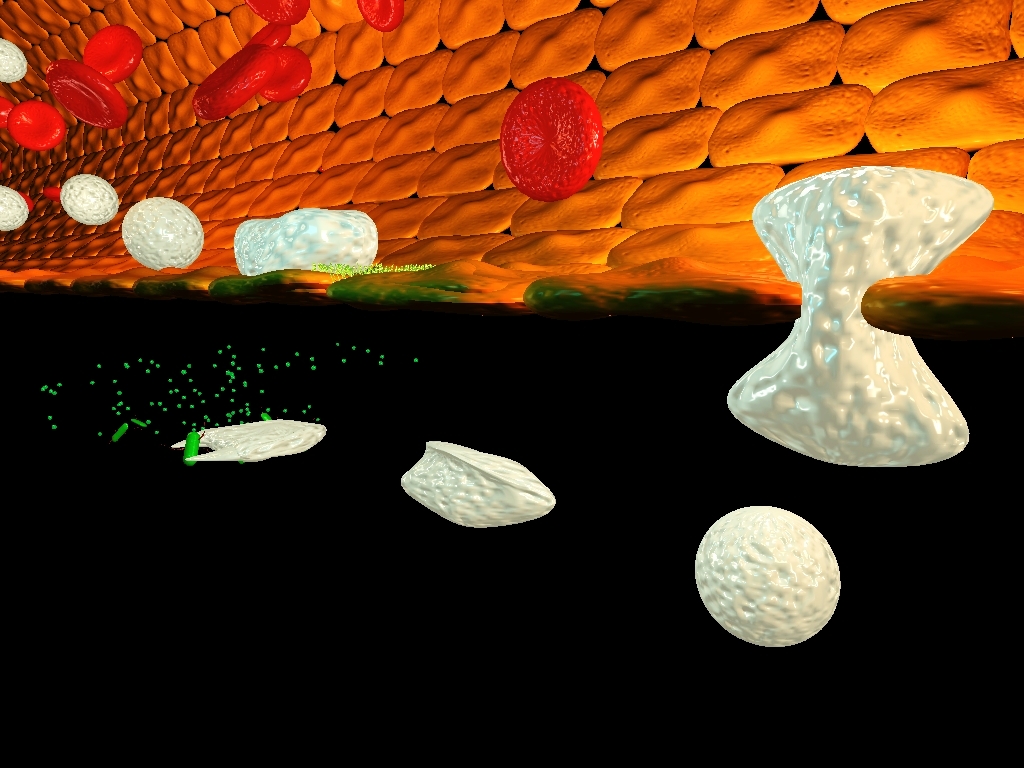
It includes several lines of protection:
- Physical and chemical barriers. Skin keeps most germs out entirely. Mucus, stomach acid, tears and saliva trap or destroy others before they take hold.
- Inflammation. When tissue is injured or infected, the area becomes red, warm and swollen as blood flow increases and defensive cells rush in. The familiar discomfort is the response at work, not the infection itself.
- Patrolling cells. Various white blood cells, such as those that engulf and "eat" invaders, attack anything flagged as foreign.
- Fever. Raising the body's temperature can slow the growth of some germs and speed up immune activity.
The innate response is quick but blunt. It does not tailor itself to a particular germ, and crucially it does not remember past encounters. For precision and memory, the body relies on its second layer.
The targeted line: adaptive immunity
Adaptive immunity is the specialised, learning arm of the system. It is slower to start — often taking days on a first encounter — but it produces a response precisely matched to the specific invader, and it never quite forgets.
Two types of white blood cell, both lymphocytes, do the heavy lifting:
- B cells produce antibodies (more on these below).
- T cells come in several kinds. Some directly kill the body's own cells once they have been infected; others act as coordinators, sounding the alarm and directing the wider response.
The genius of adaptive immunity is specificity: rather than one generic attack, the body builds a bespoke response for each threat it meets — and keeps the blueprint.
Antibodies: precision tools
Antibodies are Y-shaped proteins, made by B cells, that lock onto one specific antigen. Each antibody is shaped to fit a particular target, rather like a key cut for a single lock.
Once bound, antibodies help in several ways:
- Neutralising the germ by blocking the part it uses to infect cells.
- Clumping invaders together so they are easier to clear.
- Tagging them so that other immune cells recognise and destroy them.
The body can generate an astonishing variety of antibodies, enough to recognise an enormous range of invaders it may never even meet. This same precision is harnessed by vaccines, which prompt the body to make the right antibodies in advance.
Immune memory: why you often get an illness once
Here is the feature that ties everything together. After an infection is defeated, the adaptive system keeps a reserve of memory cells primed to recognise that exact germ again.
The difference on a second encounter is dramatic:
| Encounter | Speed of response | Strength |
|---|---|---|
| First exposure | Slow (days) | Builds gradually |
| Later exposure | Fast (hours to a day or two) | Stronger and more efficient |
This is why many infections, such as chickenpox, typically strike only once: the second time the germ appears, the body recognises and crushes it before it can cause serious illness. It is also the entire principle behind vaccination — safely teaching the immune system to recognise a germ so it can build that memory without a first dangerous infection. Public-health bodies including the NHS and the World Health Organization rely on this mechanism to protect populations from serious disease.
Keeping the system working
The immune system is not a muscle you can simply train, and no single food or supplement "boosts" it on demand. But its overall function is supported by general good health, and there is solid evidence behind the basics:
- Sleep, which is closely tied to immune function — see how much sleep you need.
- A varied, balanced diet that supplies the vitamins and minerals the body needs.
- Regular physical activity and not smoking.
- Vaccination, to prime defences against specific serious diseases.
Sometimes the system misfires — overreacting to harmless substances (allergies) or mistakenly attacking the body's own tissues (autoimmune conditions) — which shows how finely balanced it normally is.
This article is general information, not medical advice. For concerns about your immune health, vaccinations or symptoms, speak to a qualified healthcare professional.
The bottom line
The immune system defends the body in layers: a fast, general innate response that reacts to almost anything, and a slower, precise adaptive response that tailors antibodies to each specific threat and remembers it afterwards. That memory is why we usually suffer many infections only once, and why vaccines can protect us before we ever fall ill.
It is a defence system that is both shield and student — guarding the body in the moment, and learning from every encounter to guard it better next time.
Frequently asked questions
What is the immune system?
It is the body's defence network of cells, tissues and organs that recognises and fights off harmful invaders such as bacteria, viruses, fungi and parasites, while leaving the body's own healthy cells alone.
What is the difference between innate and adaptive immunity?
Innate immunity is present from birth and responds quickly to almost any threat in a general way, such as inflammation. Adaptive immunity develops over time, takes longer to act, and produces a precise response tailored to a specific germ, including antibodies and lasting memory.
What do antibodies actually do?
Antibodies are Y-shaped proteins that bind to a specific target on an invader, called an antigen. This can neutralise the germ directly, clump germs together, or flag them so that other immune cells destroy them.
How do vaccines use the immune system?
Vaccines safely show the immune system a harmless piece or weakened form of a germ. The adaptive system responds and forms memory cells, so if the real germ appears later, the body can fight it off quickly without a first serious illness.



Join in — free. Comments on Daily Junction are for members, so real names stay rare and bots stay out.
One field. We email you a 6-digit code — no password needed. Your comment is kept while you do it.
Under 13? You’ll need a parent’s OK first — it takes them one click.