
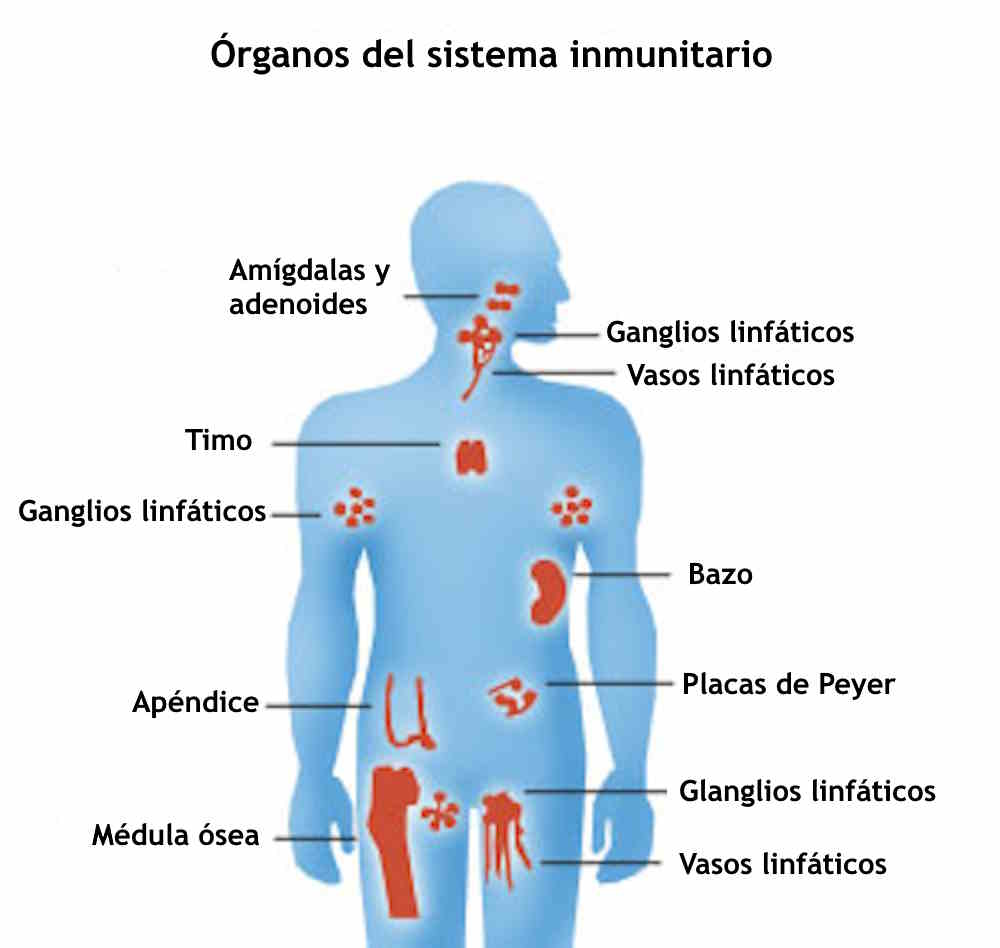
A vaccine works by teaching your immune system to recognise a particular germ in advance, so that if you ever meet the real thing your body can fight it off quickly, often before you feel ill. It is, in effect, a safe rehearsal for a battle your body might one day have to fight for real.
This is general information, not personal medical advice. For guidance on your own or your family's vaccinations, speak to a GP, pharmacist or nurse.
What a vaccine is
A vaccine is a preparation that exposes your immune system to a harmless form, piece, or blueprint of a germ — a virus or bacterium — so the body learns to defend against it without you having to catch the disease.
The germ, or the fragment of it that the immune system reacts to, is called an antigen. The whole point of a vaccine is to present that antigen safely.
How your immune system responds
To understand vaccines, it helps to know what your immune system does when it meets a new threat.
When a germ enters your body for the first time, specialised white blood cells take days to work out how to fight it. During that delay you can become unwell. Two kinds of cell are central to the response:
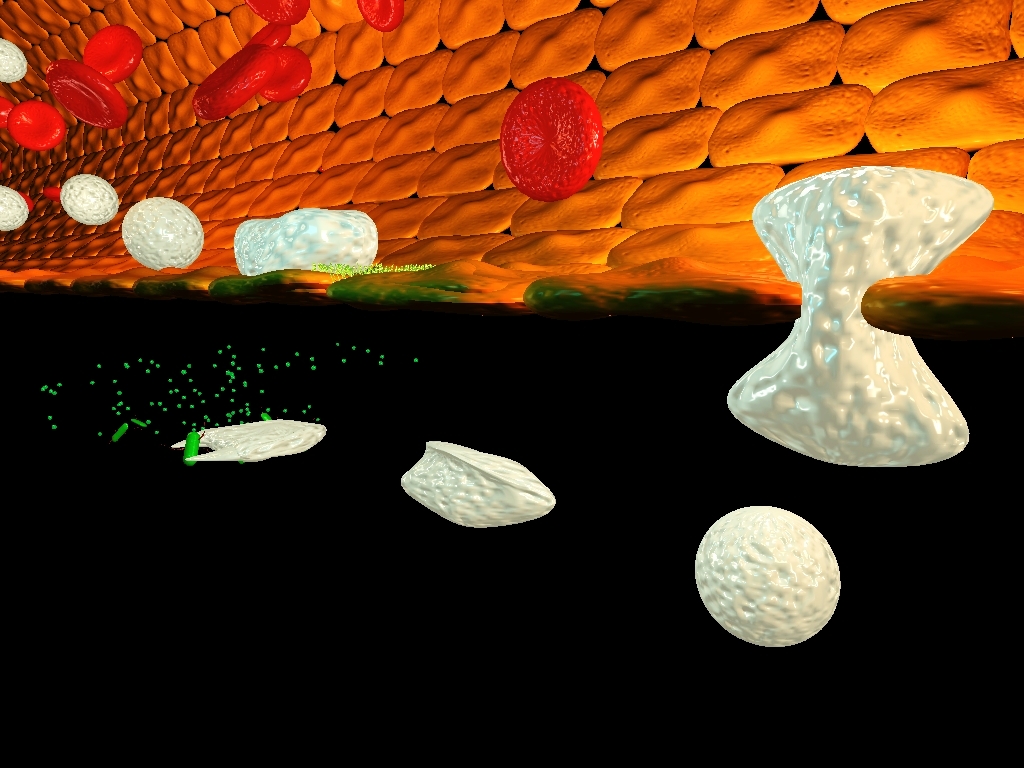
- B cells, which produce antibodies — Y-shaped proteins that lock onto a specific antigen and flag it for destruction or block it from entering cells.
- T cells, some of which kill infected cells directly, while others coordinate the wider immune response.
Crucially, after the threat is cleared, your body keeps a small reserve of memory cells. These remember the antigen. If the same germ ever returns, the memory cells trigger a far faster and stronger response — antibodies appear within hours or a day or two, not a week.
A vaccine gives your immune system that memory without the risk of the disease. It is the difference between meeting an opponent for the first time mid-fight and having studied them beforehand.
The main types of vaccine
Vaccines differ in how they present the antigen. The main approaches are:
| Type | How it works | Examples |
|---|---|---|
| Live attenuated | A weakened germ that can still trigger immunity | MMR (measles, mumps, rubella) |
| Inactivated | A killed germ that cannot replicate | Some flu and polio vaccines |
| Subunit / conjugate | Only a purified piece of the germ, such as a protein or sugar coat | Whooping cough, HPV, some meningitis vaccines |
| Toxoid | An inactivated toxin made by the bacterium | Tetanus, diphtheria |
| Viral vector | A harmless virus carries the genetic instructions for one antigen | Some COVID-19 vaccines |
| mRNA | A snippet of genetic code that tells your cells to make one harmless antigen | Some COVID-19 vaccines |
Live attenuated vaccines tend to produce strong, long-lasting immunity but are not suitable for everyone, such as some people with weakened immune systems. Inactivated and subunit vaccines are very safe and often need boosters to keep protection topped up.
mRNA vaccines, which became widely known during the COVID-19 pandemic, do not contain any live virus. They deliver a short set of instructions that your own cells use to make a single viral protein. Your immune system reacts to that protein, then the instructions are quickly broken down by the body. They cannot alter your DNA.
Why some vaccines need boosters
Immunity is not always permanent. For some diseases a single course gives lifelong protection; for others, antibody levels fade over time, or the germ itself changes.
- Waning immunity is why tetanus boosters are recommended periodically.
- Changing germs are why the flu vaccine is reformulated and offered each year — influenza viruses mutate, so last year's recipe may not match this year's strains.
Multiple doses in childhood also build immunity in stages, which is part of why national schedules space them out.
Herd immunity: protecting the whole community
Vaccines protect the person who receives them, but they also do something larger. When a high enough proportion of a population is immune, a germ finds it hard to spread from person to person. This is called herd immunity (or population immunity), and it indirectly shields people who cannot be vaccinated — newborn babies, some people having cancer treatment, and those with certain conditions.
The level of coverage needed depends on how contagious a disease is. Highly infectious diseases such as measles require very high uptake to keep outbreaks at bay, which is why a drop in vaccination rates can allow them to return.
How we know vaccines are safe
Before approval, a vaccine passes through laboratory work and several phases of clinical trials involving thousands of volunteers, overseen by regulators. After roll-out, safety monitoring continues, with systems for reporting and investigating any suspected side effects. Most side effects are mild and short-lived, such as a sore arm or a brief fever as the immune system responds.
Like any aspect of staying well, vaccination sits alongside other healthy habits. You can read more in our guides to the science of stress and how much sleep you need, both of which influence how your body copes with illness.
The bottom line
A vaccine is a safe rehearsal: it shows your immune system a harmless version or fragment of a germ so it can build antibodies and memory cells in advance. If the real germ ever arrives, your body recognises it and responds fast. Different vaccine types achieve this in different ways, and when enough people take part, herd immunity helps protect everyone — including those who cannot be vaccinated themselves. The science behind it is closely related to other fields of biology, including how DNA works, which underpins the newest vaccine technologies.
Frequently asked questions
Do vaccines give you the disease they protect against?
No. Most vaccines contain killed germs, fragments, or instructions to make a single harmless protein, none of which can cause the disease. A few live vaccines use a weakened germ that may cause very mild, short-lived symptoms in some people, but not the full illness.
Why do some vaccines need more than one dose?
The first dose primes the immune system and later doses strengthen and lengthen the response, building higher antibody levels and more durable memory. Some germs also change over time, which is why vaccines such as the flu jab are updated and repeated.
What is herd immunity?
Herd immunity is when so many people in a community are immune that a germ struggles to find new people to infect, which protects those who cannot be vaccinated. The share needed depends on how contagious the disease is.
Are the ingredients in vaccines safe?
Vaccines are tested in large clinical trials and monitored after approval by regulators. Ingredients beyond the active component, such as tiny amounts of stabilisers or adjuvants, are present in very small, well-studied quantities. Discuss any specific concerns with a healthcare professional.



Join in — free. Comments on Daily Junction are for members, so real names stay rare and bots stay out.
One field. We email you a 6-digit code — no password needed. Your comment is kept while you do it.
Under 13? You’ll need a parent’s OK first — it takes them one click.