

Middle East Instability: The Direct Impact on UK Business Costs
Every time a tanker is rerouted, a refinery threatened, or a conflict zone expanded across the Middle East, the reverberations arrive on British high streets and factory floors with uncomfortable speed. The region has long been the fault line along which global energy markets shudder, and in recent years the tremors have grown both more frequent and more expensive for UK businesses trying to plan ahead.
The question is no longer whether geopolitical risk in the Middle East affects domestic business costs. It plainly does. The more pressing question is how deep that exposure runs — and whether British companies are adequately prepared for what may be a prolonged period of instability.
Energy Costs: The Fastest Transmission Mechanism
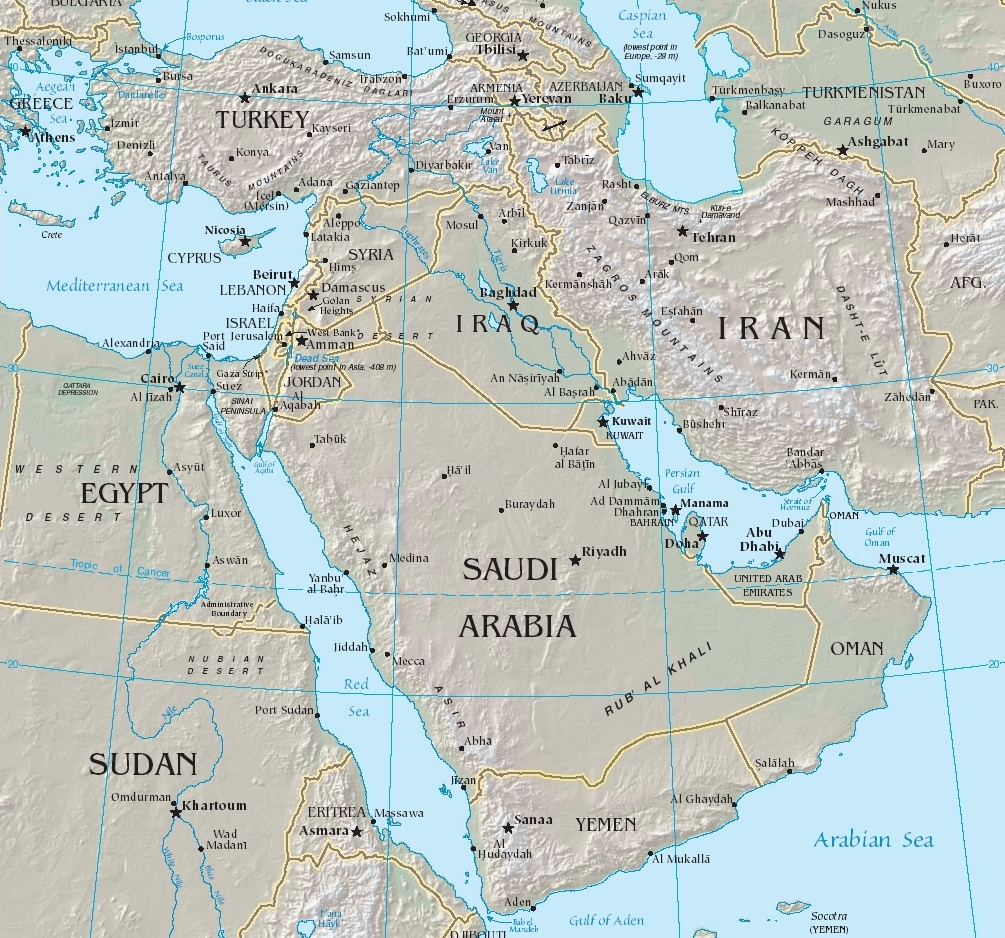
Oil and gas markets react to geopolitical uncertainty faster than almost any other commodity. When conflict threatens production capacity in the Gulf, or when naval confrontations disrupt passage through the Strait of Hormuz — through which roughly a fifth of the world's oil supply passes — wholesale prices climb within hours. That signal moves quickly through the supply chain.
For UK businesses, the immediate effects are felt at the pump and on energy invoices. Road haulage, one of the arteries of the domestic economy, saw fuel costs surge to record levels during the most acute phases of recent Middle Eastern tensions. Small courier firms and independent hauliers, operating on wafer-thin margins, had little room to absorb those increases before passing them to customers.
Industrial energy users faced comparable pressures. Manufacturers running energy-intensive processes — ceramics, glass, food processing, metals — found their cost base shifting unpredictably from one quarter to the next, making forward pricing to customers a near-impossible exercise. Several trade bodies have noted that the inability to price with confidence is as damaging as the cost increases themselves, because it paralyses investment decisions.
The Bank of England has consistently identified energy price volatility, much of it imported through global oil markets, as a complicating factor in its inflation management. When domestic energy costs remain elevated, the knock-on effect on broader consumer prices keeps interest rates higher for longer — itself a cost that every UK business borrowing to invest must absorb.
The Red Sea Detour and What It Is Costing Importers
If energy was the most immediate cost transmission mechanism, the disruption to Red Sea shipping has proved the most structurally disruptive to UK supply chains. Since Houthi attacks on commercial shipping intensified from late 2023, the majority of container vessels that would ordinarily transit the Suez Canal have diverted around the Cape of Good Hope. The detour adds approximately ten to fourteen days to transit times and has pushed freight rates on key routes to levels not seen since the pandemic-era bottlenecks of 2021 and 2022.
For UK importers of goods manufactured in Asia — electronics, textiles, furniture, automotive components — the practical consequences have been significant. Longer lead times require higher stock levels to avoid running dry, which ties up working capital. Higher freight rates compress already thin retail margins. And the uncertainty about when goods will arrive makes promotional planning and seasonal stocking strategies considerably harder to execute.
Smaller businesses have been hit proportionately harder. A major retailer can negotiate freight rates and spread fixed logistics costs across enormous volumes. An independent homeware importer ordering a container of goods from Vietnam cannot. The fixed cost of a significantly more expensive freight contract lands on a much smaller revenue base.
Parliamentary research published in 2024 noted that the Red Sea disruption added an estimated 15 to 20 per cent to shipping costs on affected routes, with some specialist cargo categories seeing sharper increases. For businesses that had only recently recovered their margins following the post-pandemic freight surge, the renewed pressure arrived at the worst possible time.
Currency Exposure and the Cost of Uncertainty
Middle Eastern instability does not only affect costs denominated in sterling. It also moves currency markets in ways that compound import costs. The US dollar, in which most commodity and freight contracts are priced, typically strengthens during periods of geopolitical stress as investors seek safe havens. A stronger dollar means a weaker pound in relative terms, which pushes up the sterling cost of dollar-denominated imports regardless of what the underlying commodity price is doing.
British businesses purchasing raw materials priced in dollars — from agricultural commodities to industrial metals — have found that exchange rate movements have added a second layer of cost pressure on top of supply-side disruption. Those without hedging arrangements in place have had little protection.
The compounding effect is what makes this period genuinely difficult for UK business planning. Higher energy costs, higher freight costs, and an unfavourable exchange rate are not independent variables; they tend to move in the same direction at the same time when geopolitical stress intensifies. A business budgeting for one of these pressures rising can manage it. When all three move simultaneously, the cash flow impact can be severe and rapid.
How UK Businesses Are Responding
Resilience, in practical terms, has taken several forms. Some businesses have invested in supply chain diversification, qualifying alternative suppliers in countries outside the conflict zone's direct influence. Others have accelerated the shift to domestic or European sourcing where viable, accepting higher unit costs in exchange for shorter, more predictable lead times.
On the financing side, many firms have turned to short-term business credit to bridge the gap between unexpected cost spikes and the ability to adjust pricing or operations accordingly. Lenders such as Credicorp, which specialise in UK short-term business loans without requiring a personal guarantee, have seen increased demand from business owners managing exactly these kinds of acute, externally-driven cash flow pressures. The ability to access working capital quickly, without putting personal assets at risk, has become a meaningful part of how smaller firms weather geopolitical shocks that would previously have been beyond their financial planning horizon.
Larger firms have also revisited their energy procurement strategies, moving away from fully variable contracts where possible and seeking fixed-rate arrangements to reduce exposure to short-term price spikes.
None of these responses eliminates the underlying exposure. The Middle East's importance to global energy supply and shipping routes means that instability there will continue to feed through to UK business costs as long as the geopolitical environment remains fraught. What businesses can control is how prepared they are to absorb and respond to those shocks when they arrive.
The evidence from recent years is that they arrive more often than anyone would like, and more expensively than most budgets anticipated.
Frequently asked questions
How does Middle East instability affect UK petrol and energy prices?
The Middle East accounts for a substantial share of global oil and gas production. When conflict disrupts supply routes or threatens output, wholesale energy prices rise on global markets, feeding directly into UK pump prices, utility bills, and transport costs within weeks.
Which UK industries are most exposed to Middle East supply chain disruption?
Manufacturing, retail, food and drink importers, and logistics firms face the greatest exposure. Many rely on goods shipped through the Red Sea and Suez Canal, routes that have seen dramatic disruption since late 2023, forcing longer diversions around the Cape of Good Hope.
What can small UK businesses do to manage rising costs linked to geopolitical risk?
Options include locking in forward contracts for energy and currency, diversifying suppliers, reviewing pricing strategies, and securing flexible short-term finance to smooth cash flow during periods of acute cost pressure.
Sources
- Red Sea shipping disruption: impacts on trade and supply chains — UK Parliament POST
- Oil price volatility and the UK economy — Bank of England
- CPI inflation data — Office for National Statistics
- Global supply chain pressures index — Federal Reserve Bank of New York
- UK trade in goods statistics — HMRC



Join in — free. Comments on Daily Junction are for members, so real names stay rare and bots stay out.
One field. We email you a 6-digit code — no password needed. Your comment is kept while you do it.
Under 13? You’ll need a parent’s OK first — it takes them one click.