

The European Union shapes the rules on everything from what is in your food to how data is handled and how goods cross borders, yet it remains one of the most misunderstood institutions in public life. Is it a country, a club, a government, a trade deal? Here is a clear explanation of what the EU is, how its main institutions fit together, what the single market actually means, and how decisions are made.
What the EU is
The European Union is a political and economic union of 27 member countries that have agreed to pool some of their sovereignty — to make and follow common rules together — in defined areas such as trade, competition, the environment and citizens' rights. It is more than a free-trade area but much less than a single nation: members remain independent states with their own governments, armies and tax systems.
The EU grew out of efforts after the Second World War to bind former enemies together through economic cooperation, on the logic that countries that trade closely are less likely to go to war. From a six-country coal and steel community in the 1950s it expanded into today's union of 27. It is governed by treaties agreed by all members, which set out what the EU can and cannot do.
A useful way to think about it: in the areas covered by the treaties, members act collectively; in everything else, they remain free to govern themselves.
The main institutions and how they fit together
The EU is run by several institutions, each with a distinct job. The most important to understand are these.
| Institution | Role in one line |
|---|---|
| European Commission | Proposes laws and runs day-to-day administration |
| Council of the EU | National ministers agree laws and policy |
| European Parliament | Directly elected MEPs scrutinise and pass laws |
| European Council | National leaders set overall direction |
| Court of Justice | Interprets EU law and settles disputes |
- The European Commission is the EU's executive arm. It proposes new laws, manages the budget and ensures members follow the rules. Its members are appointed, not directly elected.
- The Council of the EU is where government ministers from each member state meet to negotiate and adopt laws, alongside the Parliament.
- The European Parliament is the only directly elected EU body. Citizens across the member states vote for Members of the European Parliament (MEPs), who debate and pass legislation and approve the budget. This gives the EU a direct democratic link to voters, in a way loosely comparable to how a national legislature works — though the role of an elected representative differs from country to country.
- The European Council is the gathering of heads of state and government. It sets the broad political direction but does not pass laws.
- The Court of Justice of the European Union interprets EU law and ensures it is applied consistently across all members.
Crucially, most EU laws require the agreement of both the Council (representing national governments) and the Parliament (representing voters). This twin approval is the core of how the EU balances the interests of states and citizens.
The single market
The EU's central economic achievement is the single market, sometimes called the internal market. The idea is to treat the 27 members as one territory for economic purposes, built on what are often called the four freedoms:
- Free movement of goods — products can be sold across borders without tariffs or customs barriers between members.
- Free movement of services — businesses can offer services in other member states.
- Free movement of capital — money and investment can flow across borders.
- Free movement of people — citizens can live, work and study in other member states.
The single market is deeper than a free-trade deal. A free-trade agreement removes tariffs; the single market also removes the regulatory and non-tariff barriers that come from different national standards, by setting common rules so a product approved in one country is accepted in all.
This is what distinguishes the single market from a simple trade bloc or customs arrangement, and why it required handing significant rule-making to common institutions. It connects directly to the wider question of how international trade works, because the EU negotiates trade deals with the rest of the world as a single bloc.
The euro and the eurozone
A common confusion is between the EU and the euro. The euro is the shared currency used by 20 of the 27 members, who together make up the eurozone. Their monetary policy — chiefly interest rates — is run by the European Central Bank rather than by national governments.
But EU membership and euro membership are not the same. Several members, such as Denmark and Sweden, are in the EU but keep their own currencies. Joining the EU does not automatically mean adopting the euro on day one.
How decisions are made
The EU's law-making is more involved than a single government's, because it must reconcile 27 national interests with a shared parliament.
- The Commission drafts and proposes a law.
- The Parliament and the Council then debate, amend and must both approve it.
- Many decisions in the Council use qualified majority voting, where a measure passes if it has the support of a set proportion of members representing a set share of the EU population. Some sensitive areas, such as tax and foreign policy, still require unanimity, giving each member a veto.
- Once adopted, EU law generally takes precedence over conflicting national law in the areas the treaties cover, and the Court of Justice enforces this.
This blend of supranational institutions and national governments is why the EU is sometimes described as neither a federation nor a simple alliance, but something in between.
A note on Brexit
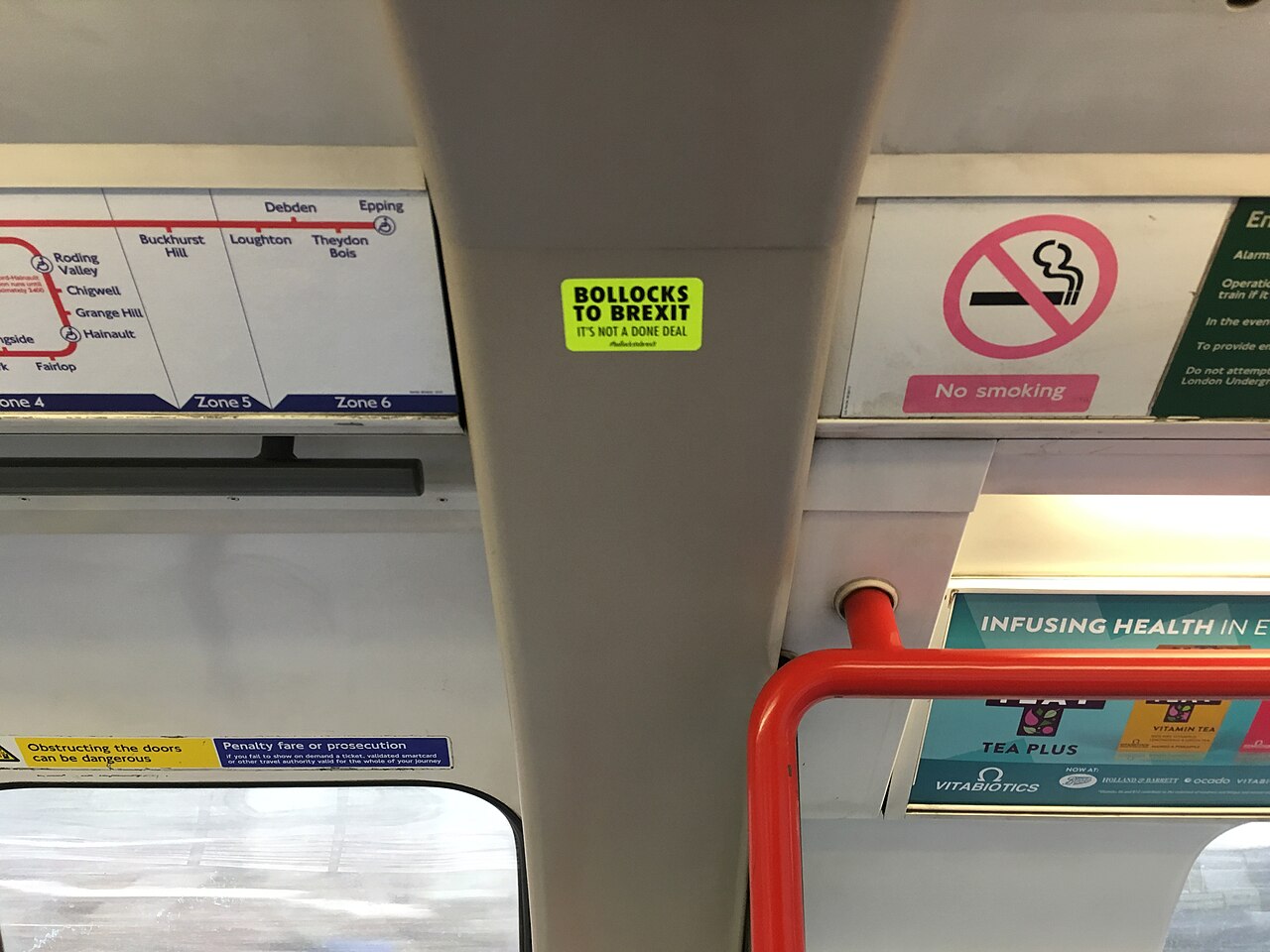
The United Kingdom joined what became the EU in 1973 and, following a 2016 referendum, left on 31 January 2020 — the first country ever to withdraw. It now trades with the EU under a separate agreement rather than as a member of the single market. For the authoritative UK perspective on the relationship and the rules that now apply, the definitive sources are the UK government and Parliament.
The bottom line
The European Union is a political and economic union of 27 countries that pool sovereignty in agreed areas while remaining independent states. Its single market lets goods, services, capital and people move freely under common rules — more than a trade deal, less than one nation. Power is shared between the Commission, which proposes laws, the Council and the directly elected Parliament, which pass them, and the Court of Justice, which enforces them. Twenty members use the euro, but the EU and the eurozone are not the same, and since 2020 the UK has been outside the union it once helped to shape.
Frequently asked questions
What is the European Union in simple terms?
It is a union of 27 European countries that have agreed to cooperate closely on trade, law and many policy areas. They share some institutions and a single market, while remaining independent sovereign states in most respects.
Is the EU the same as the eurozone?
No. The EU has 27 members, but only 20 of them use the euro as their currency. Those 20 form the eurozone. A country can be in the EU without using the euro, as Denmark, Sweden and others are.
What is the single market?
The single market is the EU's arrangement that treats its member states as one territory for trade, allowing goods, services, capital and people to move freely across borders under a common set of rules and standards.
Is the UK still in the EU?
No. The United Kingdom left the EU on 31 January 2020, following a referendum in 2016, and was the first member state ever to withdraw. It now trades with the EU under a separate agreement.
Join in — free. Comments on Daily Junction are for members, so real names stay rare and bots stay out.
One field. We email you a 6-digit code — no password needed. Your comment is kept while you do it.
Under 13? You’ll need a parent’s OK first — it takes them one click.