

There is a particular kind of British scepticism reserved for technologies that arrive wrapped in Government enthusiasm and green-tinted promises. Heat pumps have attracted plenty of it. Since the early 2020s, the devices have been simultaneously hailed as the future of home heating and dismissed as an expensive, underperforming gimmick suited only to Scandinavian villas with underfloor heating and bottomless renovation budgets. The truth, as ever, sits somewhere more complicated — and in 2026, the picture has finally become clearer.
So: are heat pumps worth it for UK homeowners right now? The answer, frustratingly but honestly, is: it depends. But the conditions under which they do make sense are broader than they were even two years ago, and the financial case has strengthened considerably.
What Has Actually Changed Since 2024
The single most significant shift has been the persistence of the Boiler Upgrade Scheme (BUS). Launched in 2022 and extended repeatedly in the face of sluggish uptake, the scheme now offers a £7,500 grant towards the installation of an air source heat pump — enough to bring a typical installation from roughly £12,000–£15,000 down to a far more manageable £4,500–£7,500. The Government has ringfenced further funding through 2026, and installers have largely ironed out the administrative friction that plagued earlier applicants.
Equally important is the maturation of the installer market. In 2022 and 2023, a shortage of accredited engineers meant waiting lists stretching to six months and a wide variance in installation quality. By 2026, the Microgeneration Certification Scheme (MCS) register has grown substantially, prices have become more competitive, and consumer protection has improved. You are far less likely to be quoted an outrageous sum or receive a botched installation than you were three years ago.
Electricity pricing has also evolved. While electricity remains roughly three to four times more expensive per unit than gas at standard tariffs, several energy suppliers now offer heat pump-specific tariffs with lower overnight or off-peak rates. Octopus Energy's Cosy Octopus tariff is the most prominent example, but others have followed. For households with smart controls and a hot water cylinder, running a heat pump on an off-peak tariff can bring annual heating costs remarkably close to those of a gas boiler — sometimes below them.
The Numbers: What You Can Realistically Expect
Let us be direct about costs, because vague optimism has done the heat pump industry no favours.
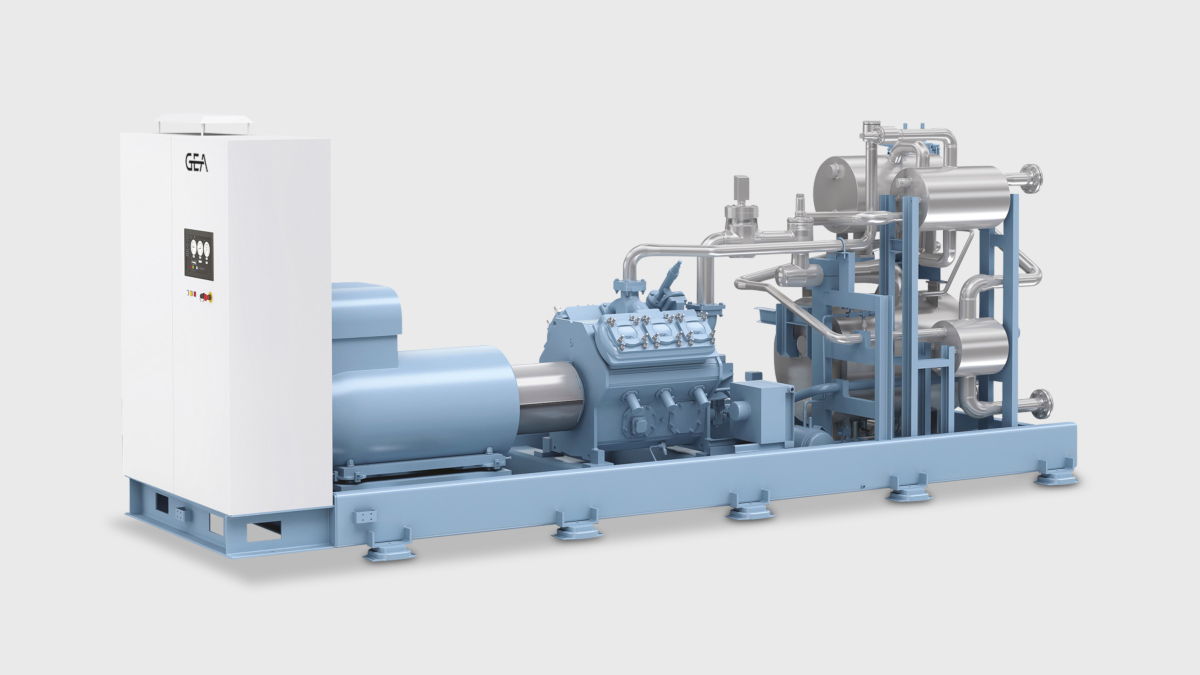
A typical three-bedroom semi-detached house with reasonable insulation (EPC rating C) can expect to pay around £10,000–£13,000 for an air source heat pump installation before the BUS grant. After the £7,500 grant, that drops to £2,500–£5,500. Ground source heat pumps, which are more efficient but require significant groundworks, typically cost £20,000–£35,000 installed and attract the same £7,500 grant — making them harder to justify unless you have a large rural plot.
Running costs are the more contentious figure. The Energy Saving Trust estimates that a well-installed heat pump in a well-insulated home can reduce annual heating bills compared with an old gas boiler, particularly when a favourable electricity tariff is in place. However, a poorly specified system in a draughty Victorian terrace can cost more to run than the gas boiler it replaced. The critical variable is the coefficient of performance (CoP) — essentially, how many units of heat the pump produces per unit of electricity consumed. Modern air source heat pumps achieve a seasonal CoP of between 2.5 and 3.5 in UK conditions, meaning they produce two-and-a-half to three-and-a-half times more heat energy than the electrical energy they consume.
Before committing, it is worth using a comparison tool to model your energy costs under different tariff scenarios. Independent UK financial comparison site QuidCompare covers energy tariffs alongside other household financial products, which can help you benchmark what a dedicated heat pump tariff might save you versus your current deal — a calculation worth doing before rather than after installation.
Who Should — and Should Not — Make the Switch in 2026
Heat pumps are genuinely well-suited to a specific type of UK property: one built after 1980, or one that has received meaningful insulation upgrades; ideally with a hot water cylinder already in place; and with space for an external unit (roughly the size of a large suitcase). Homes with underfloor heating or large radiators gain extra efficiency. Rural properties off the gas grid — currently paying premium rates for oil or LPG heating — have perhaps the most compelling financial case of all.
Conversely, a solid-walled Victorian terrace with no cavity for insulation, period-appropriate small radiators, and a combi boiler in a kitchen cupboard is not a strong candidate — at least not without a phased programme of fabric improvements first. This is not a counsel of despair; it is a sequencing point. Insulate first, then consider the heat pump. The two investments compound each other.
Landlords occupy a particularly interesting position. With EPC C requirements for new tenancies now in force and enforcement tightening, the combination of insulation works and a heat pump installation may be the most efficient path to compliance — especially with grant funding available. Several local authorities are also running area-based schemes with additional support for low-income households and social housing stock.
The Wider Picture: Should You Wait for Better Technology?
Some homeowners are holding out for hydrogen-ready boilers or the next generation of high-temperature heat pumps before making a decision. This is understandable but carries risk. The hydrogen heating pilot results published in late 2024 were inconclusive at best, and the infrastructure timeline for domestic hydrogen remains deeply uncertain. High-temperature heat pumps — which can reach flow temperatures of 70°C or above without efficiency penalties — are entering the mass market, with several manufacturers shipping units suitable for homes with older radiator systems. Prices remain slightly elevated relative to standard heat pumps, but the gap is narrowing.
The honest assessment is that waiting for a perfect technology is likely to cost more than acting now with the best available option, particularly when grant funding is time-limited and energy prices remain unpredictable. Gas boiler manufacturers themselves are hedging: most now produce hybrid heat pump systems — a heat pump working alongside a gas boiler as a backup — that offer a gentler transition for homeowners unconvinced by a full switch.
For the majority of UK homeowners in a suitable property, 2026 represents the strongest case yet to take heat pumps seriously. The grants are real, the technology is proven, the installer market has matured, and the energy tariffs to support them exist. The question is no longer whether heat pumps work in the UK. It is whether your specific home and circumstances make the numbers stack up — and increasingly, for a great many households, they do.
Frequently asked questions
Can a heat pump work in an older, draughty UK property?
It can, but efficiency will be considerably lower. Older properties typically need insulation upgrades — loft insulation, cavity wall fill, or double glazing — before a heat pump delivers meaningful savings. An installer should carry out a full heat loss survey before you commit.
How long does a heat pump installation take, and will it disrupt the household?
A standard air source heat pump installation typically takes two to three days. There will be some disruption — engineers need access to the loft, airing cupboard, and an external wall — but most households remain in the property throughout.
Is the £7,500 Boiler Upgrade Scheme grant still available in 2026?
Yes. As of early 2026, the Boiler Upgrade Scheme continues to offer a £7,500 grant towards air source or ground source heat pump installation in England and Wales. Your installer claims the grant directly, so you simply pay the reduced price upfront. Availability is subject to annual budget allocations, so applying sooner rather than later is advisable.



Join in — free. Comments on Daily Junction are for members, so real names stay rare and bots stay out.
One field. We email you a 6-digit code — no password needed. Your comment is kept while you do it.
Under 13? You’ll need a parent’s OK first — it takes them one click.