

British households have spent the past three years absorbing energy price shocks that would have seemed implausible in 2020. Against that backdrop, the case for generating your own electricity has never been more compelling — and the solar panel industry has responded with falling hardware costs, smarter batteries, and a rush of new installers competing for business. If you have been considering rooftop solar but felt unsure where to start, 2026 may well be the year to act.
What Does It Actually Cost in 2026?
The headline figure that stops many homeowners in their tracks is the upfront price. A standard 4kW system — sufficient for a three-bedroom home with average consumption — now costs between £5,000 and £8,000 fully installed, including panels, inverter, mounting hardware and labour. That represents a fall of roughly 15 per cent compared with 2022 prices, driven by cheaper Chinese-manufactured panels and a more competitive installer market.
Larger properties with higher electricity demand often opt for 6kW or even 10kW systems, which can push costs to £10,000–£15,000, particularly when battery storage is included. Battery packs — typically 5kWh to 10kWh — add £2,500 to £6,000 depending on brand and capacity, but they transform the economics of solar by allowing households to store surplus daytime generation and use it in the evenings when grid electricity prices peak.
The good news on tax is significant. HMRC extended the zero-rate VAT on residential solar installations through to at least April 2027, meaning you pay no VAT on either the equipment or fitting costs. That alone saves you between £1,000 and £3,000 compared with a standard-rated purchase.
When comparing quotes, the devil is in the detail. Panel efficiency ratings, inverter brands, warranty terms and scaffolding costs all vary widely. Using an independent comparison service such as QuidCompare can help you benchmark quotes and identify whether a deal is genuinely competitive before you commit to anything.
How Much Can You Save?
Savings depend on three variables: how much electricity you generate, how much of that you consume directly, and what you receive for the surplus you export back to the grid.
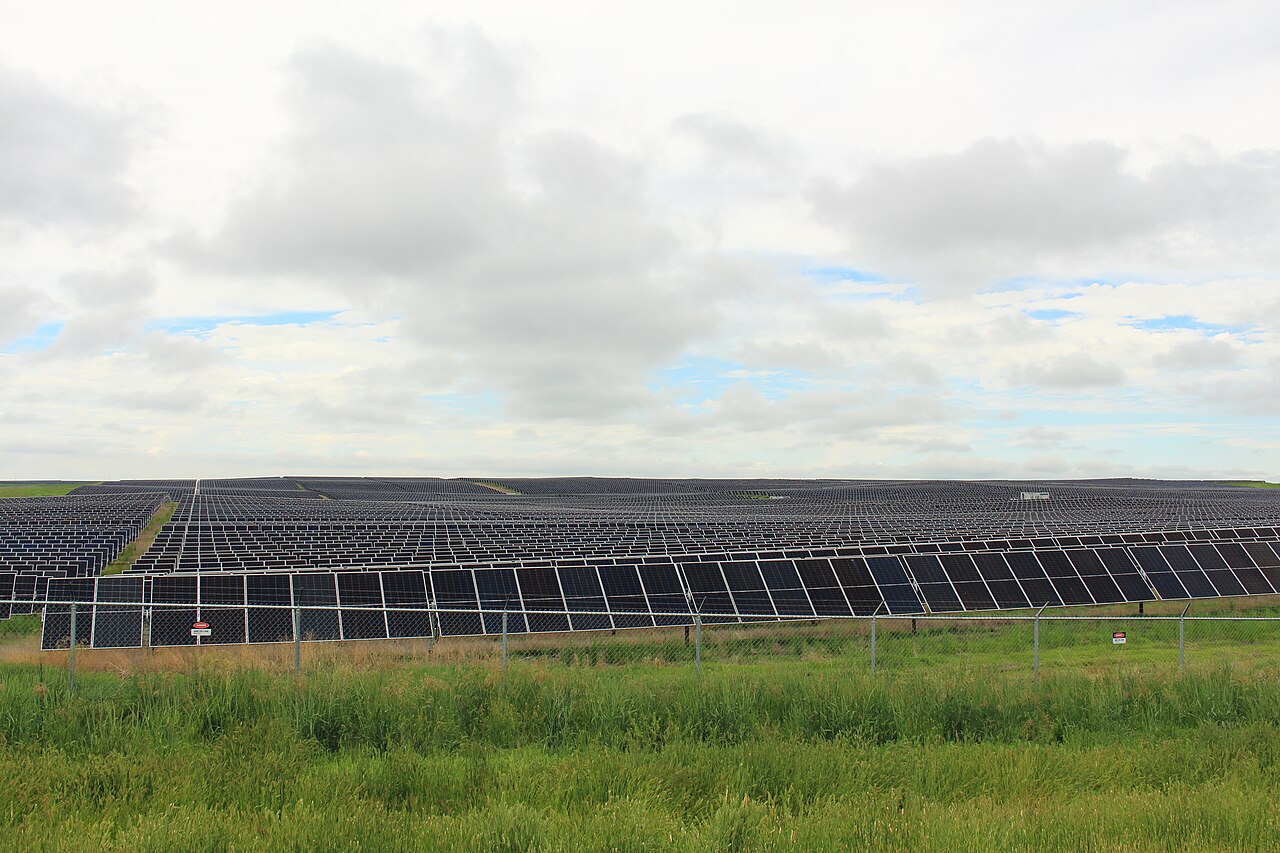
A 4kW system in southern England generates approximately 3,400kWh per year; in northern England or Scotland, expect closer to 2,800kWh. With average household electricity consumption sitting around 3,500kWh annually, a well-sized system can cover 40 to 60 per cent of your total usage — more if you shift appliances such as dishwashers and washing machines to run during the day.
The electricity you consume directly is worth the most, saving you the retail unit rate — currently averaging around 24p per kWh across major suppliers. On that basis, self-consumed solar alone could save a typical household £600 to £900 per year.
Surplus electricity exported to the grid earns you payments under the Smart Export Guarantee (SEG), the government-mandated scheme requiring licensed energy suppliers to pay a positive rate for every unit you send back. SEG rates currently range from around 4p to 15p per unit, with the most competitive deals from specialist providers. Combined with self-consumption savings, total annual financial benefit for a 4kW system with no battery typically lands between £700 and £1,100, implying a payback period of six to ten years.
Add a battery and that payback period stretches slightly in the short term — but the lifetime savings improve considerably, particularly as the gap between daytime export rates and evening import rates remains wide.
Choosing the Right Installer
The solar installation market has grown rapidly, which brings both opportunity and risk. Rogue traders and underqualified installers remain a genuine concern; a poorly fitted system can underperform, void warranties, or in the worst cases create fire hazards.
The single most important credential to check is MCS certification. The Microgeneration Certification Scheme accredits both the installer and the products they fit, and MCS certification is a legal requirement for SEG eligibility — meaning an uncertified installer locks you out of export payments entirely. You can search the full database of MCS-certified companies at mcscertified.com.
Beyond certification, look for:
- A minimum of three years trading history with verifiable reviews on Trustpilot or Google
- A detailed written quote that itemises every component and its warranty
- Evidence of public liability insurance and, where relevant, electrical competence registration (Part P)
- Clarity on aftercare — who do you call if the inverter fails in three years' time?
Get at least three quotes from separate companies. Prices for identical systems can vary by 30 per cent or more, and the cheapest option is not always the worst — nor the most expensive the best.
Battery Storage and the Future Proofing Question
The biggest decision facing buyers in 2026 is whether to add battery storage immediately or to install a system that is battery-ready and upgrade later. Both approaches are rational depending on your circumstances.
If your household consumes a significant share of electricity in the evenings — common in families with young children, home workers running appliances outside peak solar hours, or households with electric vehicles — battery storage dramatically increases the proportion of your annual consumption met by your own generation. Without storage, self-consumption rates typically run at 25 to 35 per cent. With a correctly sized battery, that figure can rise to 60 to 80 per cent.
The counter-argument is that battery technology continues to improve and prices are falling. A battery purchased in 2028 is likely to offer better performance per pound than one bought today. If your primary goal is to reduce payback period, it may be worth installing panels now and revisiting battery storage in a few years.
Vehicle-to-home (V2H) technology — which uses an electric vehicle's battery as a home storage device — is also gaining traction, with several mainstream car manufacturers now offering compatible systems. For households that already own or plan to buy an EV, this could make a dedicated home battery redundant.
Solar panels are no longer a niche technology for the environmentally committed few. With energy bills likely to remain elevated, a well-chosen system from a reputable installer represents one of the soundest home investments available to British homeowners in 2026. The key is doing your homework before you sign anything.
Frequently asked questions
Do solar panels work on cloudy days in the UK?
Yes. Solar panels generate electricity from daylight rather than direct sunlight, so they continue to produce power on overcast days — just at reduced output, typically 10 to 25 per cent of their peak capacity. Even Scotland and the north of England receive enough annual irradiance to make solar economically viable.
How long do solar panels last?
Most modern panels carry a 25-year performance warranty and will continue generating electricity well beyond that, albeit with a gradual reduction in output of around 0.5 per cent per year. Inverters typically need replacing after 10 to 15 years at a cost of roughly £800 to £1,500.
Can I get a grant for solar panels in 2026?
There is no universal national grant scheme for solar panels in England as of 2026, though zero-rate VAT applies to all residential installations. Scotland and Wales run their own targeted schemes for lower-income households. The Warm Homes Plan, currently being rolled out by the UK government, may expand solar incentives later in 2026 — it is worth checking your local authority for emerging schemes.



Join in — free. Comments on Daily Junction are for members, so real names stay rare and bots stay out.
One field. We email you a 6-digit code — no password needed. Your comment is kept while you do it.
Under 13? You’ll need a parent’s OK first — it takes them one click.