

Influencer marketing has matured from a novelty tactic into a central pillar of US brand strategy. But with that growth has come regulatory scrutiny. The Federal Trade Commission (FTC) has sharpened its enforcement of disclosure rules, and brands that ignore them face reputational damage, civil penalties, and the kind of press coverage nobody wants. Understanding the rules — and building them into every creator brief — is no longer optional.
What the FTC Actually Requires
The FTC's Endorsement Guides have been in place since 1980, but successive updates have kept pace with social media. The core principle is straightforward: if there is a material connection between a creator and a brand — money, free product, affiliate commission, or even a close personal relationship — that connection must be disclosed clearly to the audience.
"Clearly" is the operative word. The FTC defines it as a disclosure that is hard to miss, easy to understand, and placed where viewers will see it before engaging with the content. A hashtag buried among twenty others at the bottom of a caption does not qualify. Neither does a fleeting verbal mention at the end of a ten-minute video.
Platforms such as Instagram and TikTok have built paid-partnership labels into their interfaces, and using them is good practice — but the FTC does not consider a platform label alone sufficient in all cases. Creators should include an explicit verbal or on-screen disclosure as well, particularly in video content.
"Consumers have the right to know when they are being marketed to. Clear, conspicuous disclosure is not a technicality — it is the foundation of honest advertising." — FTC guidance on influencer endorsements
How to Brief Creators for Compliant Campaigns
The brand or agency managing the campaign bears joint responsibility for compliance. That makes the creator brief the most important compliance document in the whole programme. A brief that is vague about disclosure requirements leaves the door open for non-compliant content and puts the brand in an exposed position.
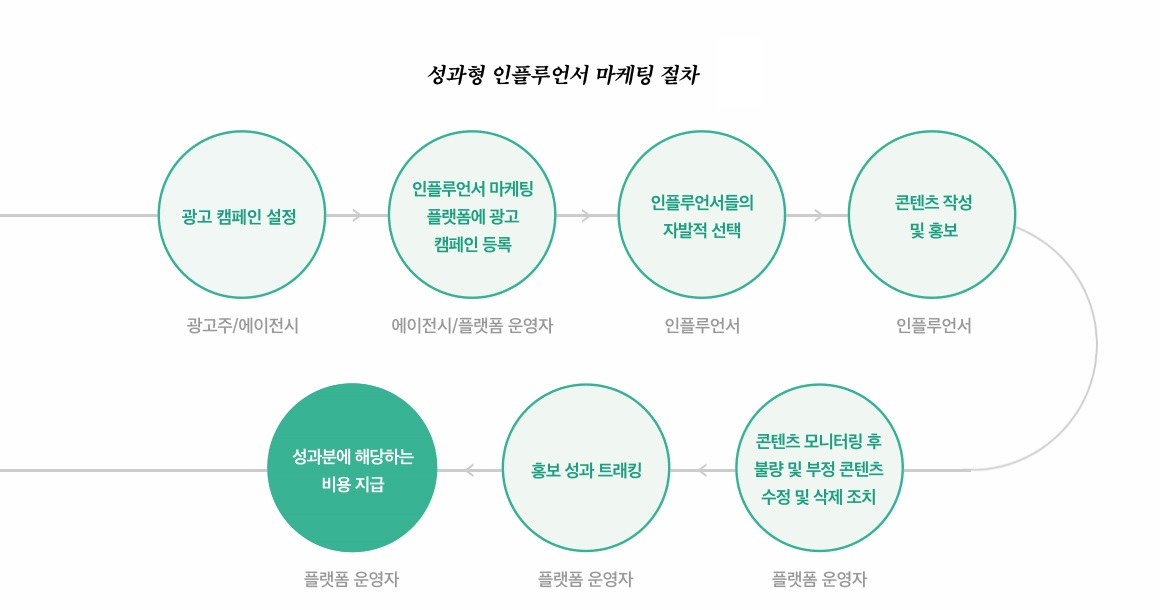
A compliant brief should specify the exact disclosure language required, where it must appear (caption, on-screen text, verbal), and the approval process before posting. It should also confirm that the creator has completed FTC disclosure training or reviewed the relevant guidance. Agencies that manage influencer programmes professionally treat this not as a box-ticking exercise but as a standing workflow applied to every deliverable.
Contracts matter too. Including a disclosure clause with consequences for non-compliance gives brands recourse and signals to creators that this is taken seriously. Keep records of every approved brief, every draft reviewed, and every piece of live content — the FTC can request them.
Building a Scalable Influencer Programme
Compliance becomes easier to manage at scale when it is systematised rather than handled on a campaign-by-campaign basis. Brands running ongoing influencer programmes benefit from standardised brief templates, pre-approved disclosure copy, and a content review checklist that includes a compliance sign-off.
Technology helps: many influencer management platforms now include disclosure tracking and content approval workflows. But the human layer — an experienced team that understands both the regulations and the creator relationship — remains essential. Platforms that specialise in influencer programme management for US brands can handle that complexity so internal marketing teams can focus on strategy and results.
It is also worth staying current. The FTC updated its Endorsement Guides in 2023 to address emerging formats such as virtual influencers and AI-generated content, and further updates are expected as the rules evolve. Brands that treat compliance as a live obligation rather than a one-time review will be better placed when the rules shift.
For further reading on related topics, see our guides on building a content marketing strategy and social media advertising regulations.
Influencer marketing remains one of the most effective channels available to US brands. The compliance overhead is manageable — and for brands that get it right, it becomes a genuine competitive advantage over those that cut corners.
Frequently asked questions
Does the FTC require disclosure if a product was gifted but not paid for?
Yes. Any material connection — including free products, travel, or services — must be disclosed, regardless of whether money changed hands.
What wording does the FTC recommend for disclosures?
The FTC endorses plain language such as '#ad', '#sponsored', or 'Paid partnership with [Brand]'. Ambiguous tags like '#collab' or '#ambassador' are insufficient.
Can brands be held liable for an influencer's non-disclosure?
Yes. The FTC can take action against both the influencer and the brand or agency that briefed them, so contractual compliance clauses and pre-approval workflows are essential.
Join in — free. Comments on Daily Junction are for members, so real names stay rare and bots stay out.
One field. We email you a 6-digit code — no password needed. Your comment is kept while you do it.
Under 13? You’ll need a parent’s OK first — it takes them one click.