

The United Kingdom is one country, but it is not governed by a single parliament alone. Scotland, Wales and Northern Ireland each have their own elected bodies making decisions on many of the matters that affect daily life. This arrangement is called devolution, and understanding it explains a great deal about how the UK actually works. Here is a clear guide.
What devolution is
Devolution is the transfer of specific powers from the UK Parliament at Westminster to elected institutions in Scotland, Wales and Northern Ireland. It gives each of these nations the ability to make their own decisions in defined areas, while the UK as a whole remains a single sovereign state.
The key word is transfer of specific powers. Devolution is not the same as independence, and it is not federalism. The UK Parliament remains sovereign — in principle it retains ultimate authority — but in practice it has handed substantial day-to-day responsibilities to the devolved bodies. Modern devolution in its current form was established at the end of the 1990s, following referendums, and has been expanded since.
The three devolved nations and their bodies
Each nation has its own legislature and its own government:
- Scotland has the Scottish Parliament, based at Holyrood in Edinburgh, with a Scottish Government led by a First Minister.
- Wales has the Senedd (the Welsh Parliament), based in Cardiff, with a Welsh Government led by a First Minister.
- Northern Ireland has the Northern Ireland Assembly, based at Stormont in Belfast, with a power-sharing Executive led jointly by a First Minister and deputy First Minister.
These bodies are elected by voters in their respective nations and can pass laws and set policy in the areas devolved to them. Notably, England has no separate national parliament — laws for England are made by the UK Parliament itself.
Reserved versus devolved powers
The heart of devolution is the distinction between two kinds of power.
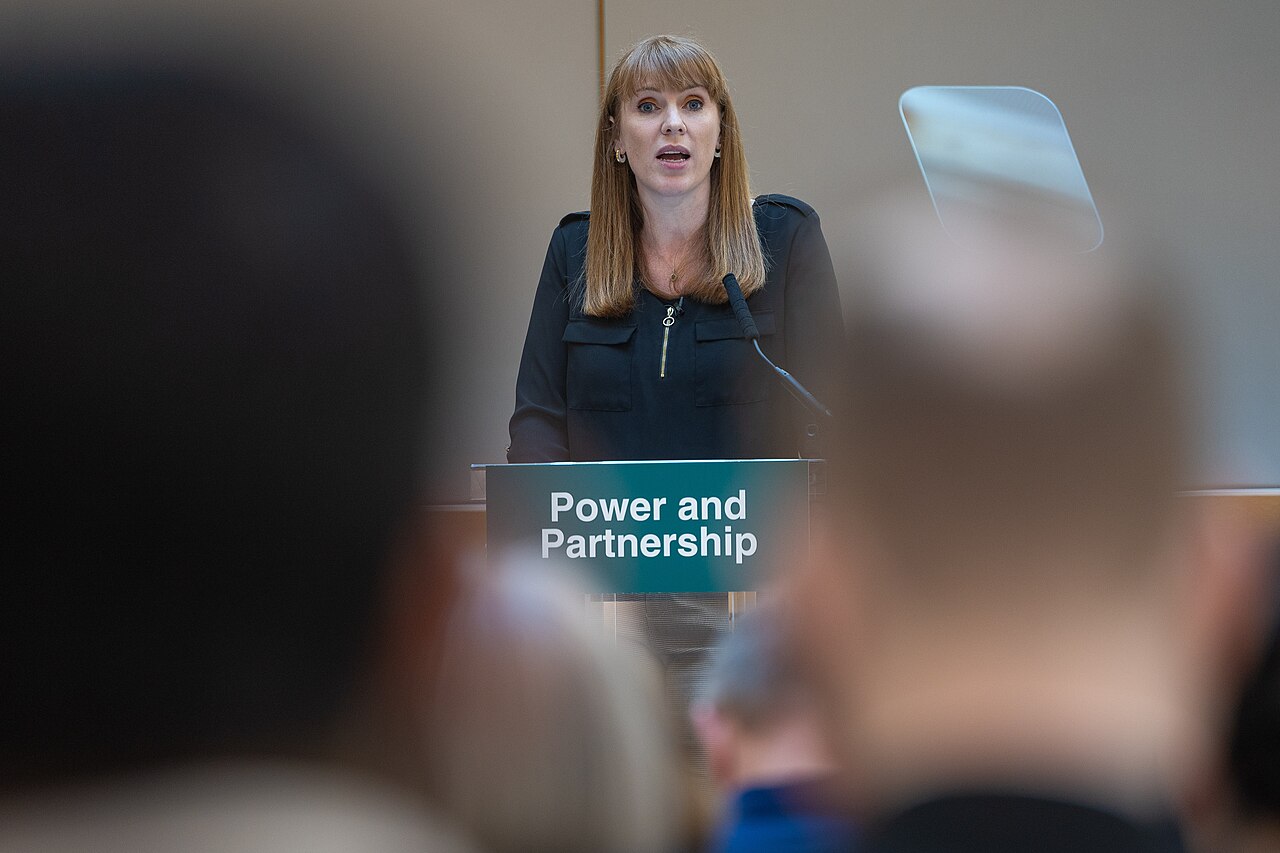
Devolved powers are the matters a nation can decide for itself. Reserved powers are the matters kept with the UK Parliament for the whole of the UK.
Devolved powers — decided by the nations themselves — typically include:
- Health and the NHS in that nation.
- Education and skills.
- Local government and housing.
- Agriculture, environment and some transport.
- Aspects of justice and policing (the detail varies by nation).
Reserved powers — kept at Westminster for the entire UK — typically include:
- Defence and national security.
- Foreign affairs and international relations.
- Immigration and nationality.
- Most economic, monetary and fiscal policy, including the currency and the work tied to what central banks do.
- International trade, which connects to how international trade works across the UK as a whole.
This is why your experience of, say, the health service or schools can differ depending on which UK nation you live in, while matters like defence or the value of the pound are handled UK-wide.
Why the system is "asymmetric"
One of the most important features of UK devolution is that it is not uniform. The three nations do not have identical powers, because devolution developed separately for each, through different laws and at different times.
| Nation | Legislature | Notable characteristics |
|---|---|---|
| Scotland | Scottish Parliament | The broadest range of devolved powers, including significant tax powers |
| Wales | Senedd | Powers expanded over time, now including primary law-making |
| Northern Ireland | Assembly | Power-sharing Executive reflecting its specific political settlement |
This patchwork is described as asymmetric devolution. It reflects the distinct histories, identities and circumstances of each nation rather than a single master plan. It also means general statements about "devolved powers" always need a "in which nation?" attached.
Devolution is not independence
A frequent source of confusion is the line between devolution and independence. The distinction is fundamental:
- Devolution shares power within the United Kingdom. The nations remain part of the UK; the UK Parliament keeps ultimate authority and can, in theory, alter the arrangements.
- Independence would mean a nation leaving the UK to become a fully separate sovereign state, with its own complete control over all matters, including defence and foreign affairs.
Questions about a nation's constitutional future — including independence — are the kind of major decision sometimes put to voters directly through a referendum. Devolution itself was originally established with public backing in referendums in the late 1990s.
The "English question" and local devolution
Because England has no separate parliament, an imbalance sits at the centre of the system: Scottish, Welsh and Northern Irish matters are largely decided by their own bodies, but English matters are decided by the UK Parliament, in which MPs from all four nations sit. This is often called the English question, and various partial answers have been tried over the years.
Separately, there is a different layer of devolution within England: powers over areas such as transport and economic development have been passed to some city-regions and metro mayors. This is local or regional devolution rather than national devolution, but it uses the same basic idea of moving decisions closer to the people they affect. How those national decisions are decided in the first place is set out in how UK general elections work.
The bottom line
Devolution is the transfer of specific powers from the UK Parliament to elected bodies in Scotland, Wales and Northern Ireland, allowing each to decide matters such as health and education for itself. Powers are split between devolved (decided locally) and reserved (kept at Westminster, covering defence, foreign affairs and the economy). The system is asymmetric, with each nation holding a different range of powers, and it is distinct from independence — the nations remain part of a single United Kingdom. For the authoritative detail, consult GOV.UK and the UK Parliament.
Frequently asked questions
What is the difference between reserved and devolved powers?
Devolved powers are areas the devolved legislatures can legislate on themselves, such as health, education and local transport. Reserved powers are kept with the UK Parliament in Westminster, covering matters like defence, foreign affairs and most economic and monetary policy.
Is devolution the same as independence?
No. Devolution shares power within the United Kingdom; the nations remain part of the UK and the UK Parliament retains ultimate authority. Independence would mean a nation becoming a fully separate sovereign state.
Why do Scotland, Wales and Northern Ireland have different powers?
Devolution developed separately for each nation, through different laws and at different times, reflecting their distinct histories and circumstances. The result is an asymmetric system where the range of devolved powers is not identical.
Does England have a devolved parliament?
No. There is no separate English Parliament; laws for England are made by the UK Parliament. This imbalance is sometimes called the 'English question', though some powers within England are devolved to mayors and local authorities.



Join in — free. Comments on Daily Junction are for members, so real names stay rare and bots stay out.
One field. We email you a 6-digit code — no password needed. Your comment is kept while you do it.
Under 13? You’ll need a parent’s OK first — it takes them one click.